Overwatering vs Underwatering: Check the Pot First
Use moisture, pot weight and recent care together before deciding what to do.
Quick questions
Does wet soil always mean I overwatered?
No. Mix should be wet after a thorough watering, then drain and dry at a rate suited to the plant. Persistent saturation with declining growth is more concerning than one damp reading.
Is underwatering always safer?
No. Some plants tolerate drying much better than others, and prolonged drought can seriously damage roots and foliage. Check the species and the actual root-zone moisture.
Can I trust a moisture meter on its own?
Use it as one clue, not a diagnosis. Compare its reading with the mix, pot weight and your plant's needs; investigate conflicting observations before adding water.
Does bottom watering prevent overwatering?
No. Either method can leave roots too wet if you repeat it too often or leave the pot standing in water. Let the mix absorb water, then drain it.
Can roots rot even with drainage holes?
Yes. Holes help water escape, but dense mix, a poorly matched pot and repeated watering can still keep the root zone too wet.
Will crispy or yellow leaves recover after watering?
Dead tissue will not repair itself. Some wilting can improve, but the speed and extent of recovery depend on the damage. Watch for stabilisation and healthy later growth.
Check the root ball before deciding whether a struggling plant needs more water. Drooping, yellow leaves and brown edges can happen with both too much and too little moisture. Leaf texture alone cannot reliably separate them.
This guide is for houseplants grown in potting mix with drainage. Plants grown in water or a managed semi-hydroponic system need different checks.
Combine three observations
- Feel below the surface. Check more than the loose top layer. In a deep pot, a clean wooden skewer can help show whether the lower mix is damp; do not force it through roots.
- Compare the weight. Learn how the same pot feels after draining and as the mix dries. A heavy ceramic container can make this harder to judge.
- Check the history. When did you water, and was the root ball actually wetted? Has the plant moved, slowed its growth or gone into a much bigger pot?
A damp pot shortly after watering is normal. The concern is a root zone that remains too wet for that plant, especially alongside decline.
Use clues without turning them into diagnoses
| Observation | What it can tell you |
|---|---|
| Dry mix, light pot and wilting | The roots may not have enough water |
| Persistently wet mix with decline | Investigate drainage and root health |
| Water rushing straight out | Dry mix may be repelling water or allowing it around the sides |
| Yellow or crispy leaves alone | Insufficient evidence to choose a watering remedy |
Heat, pests, fertiliser salts and other root problems can overlap with these signs. If the moisture evidence does not fit, widen the investigation.
If the root ball is dry
Water slowly and evenly, checking that the mix absorbs it. A severely dried mix may need repeated applications or bottom watering to rehydrate. Afterwards, let all excess drain and empty the outer pot or saucer.
Do not respond to water rushing out by assuming the plant has had enough. Check the mix again. Avoid promising recovery by tomorrow: prolonged drought can cause lasting damage.
If the root zone stays too wet
Stop adding water while it is still wet. Empty trapped water and check drainage holes. Keep the plant in suitable light and temperature rather than putting it in harsh sun to force it dry.
If decline continues, inspect the roots gently. Remove clearly soft, decayed tissue with clean tools and repot the healthy remainder in fresh, appropriate mix. Do not cut roots just because they are brown or leave bare roots exposed to dry on newspaper.
A pot full of wet mix is not automatically a reason to repot. Use the plant's condition and the root inspection to decide.
Adjust the conditions that caused it
A porous mix and drainage holes allow a thorough watering to drain. Repeated small sips may leave parts of the root ball dry; repeated watering before the mix has dried appropriately can keep roots short of air.
Match the pot to the roots. Consider changes in light, heat and growth when reviewing the interval between checks. A moisture-loving Ctenanthe and a drought-adapted cactus should not share one dryness rule.
Make the next reminder a check
Record what the mix felt like and what you did. At the next reminder, inspect it again before watering. The goal is to learn that plant's pattern, not to make every pot follow the same calendar.
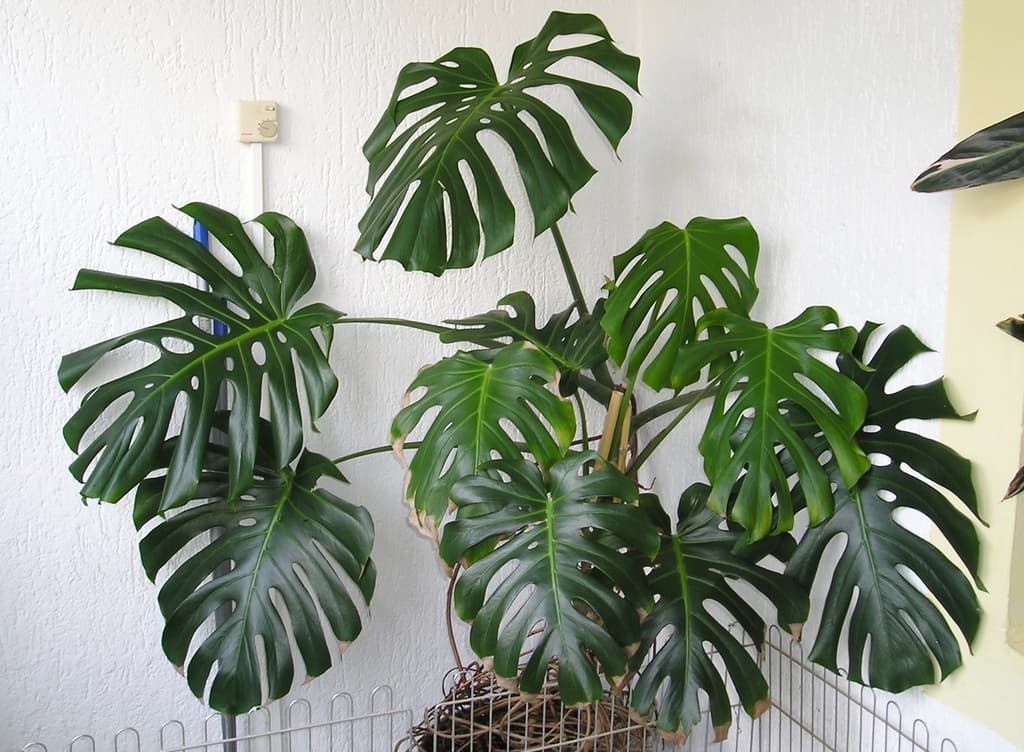
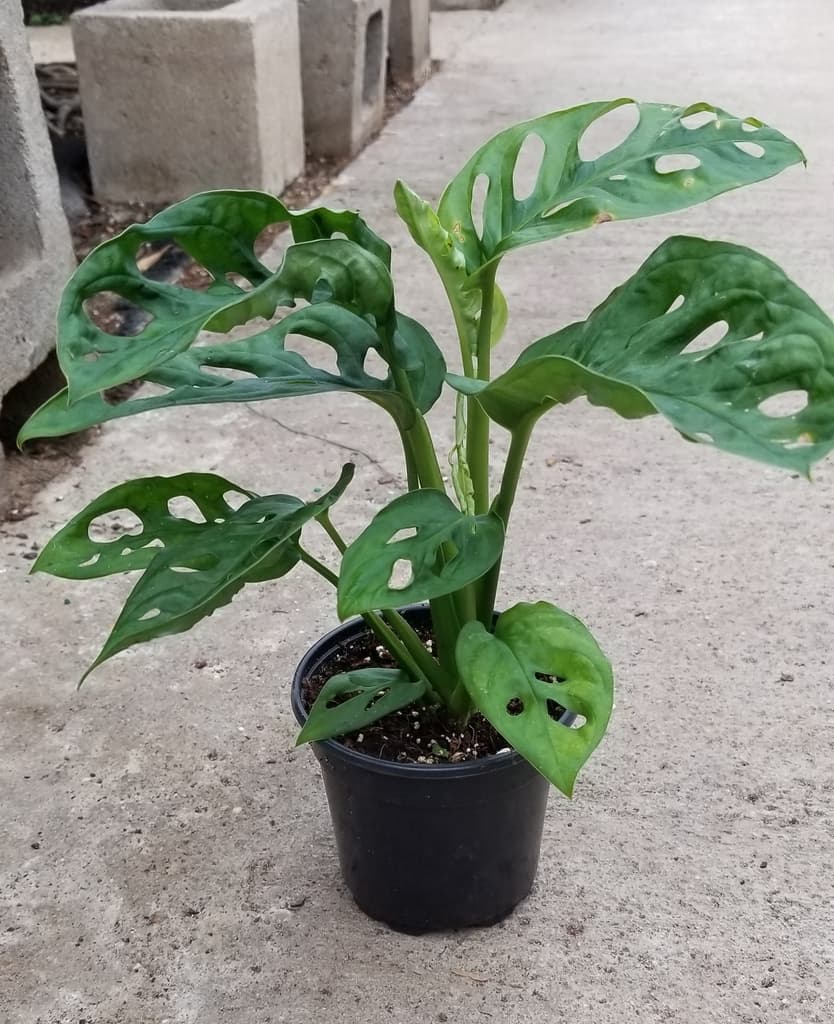
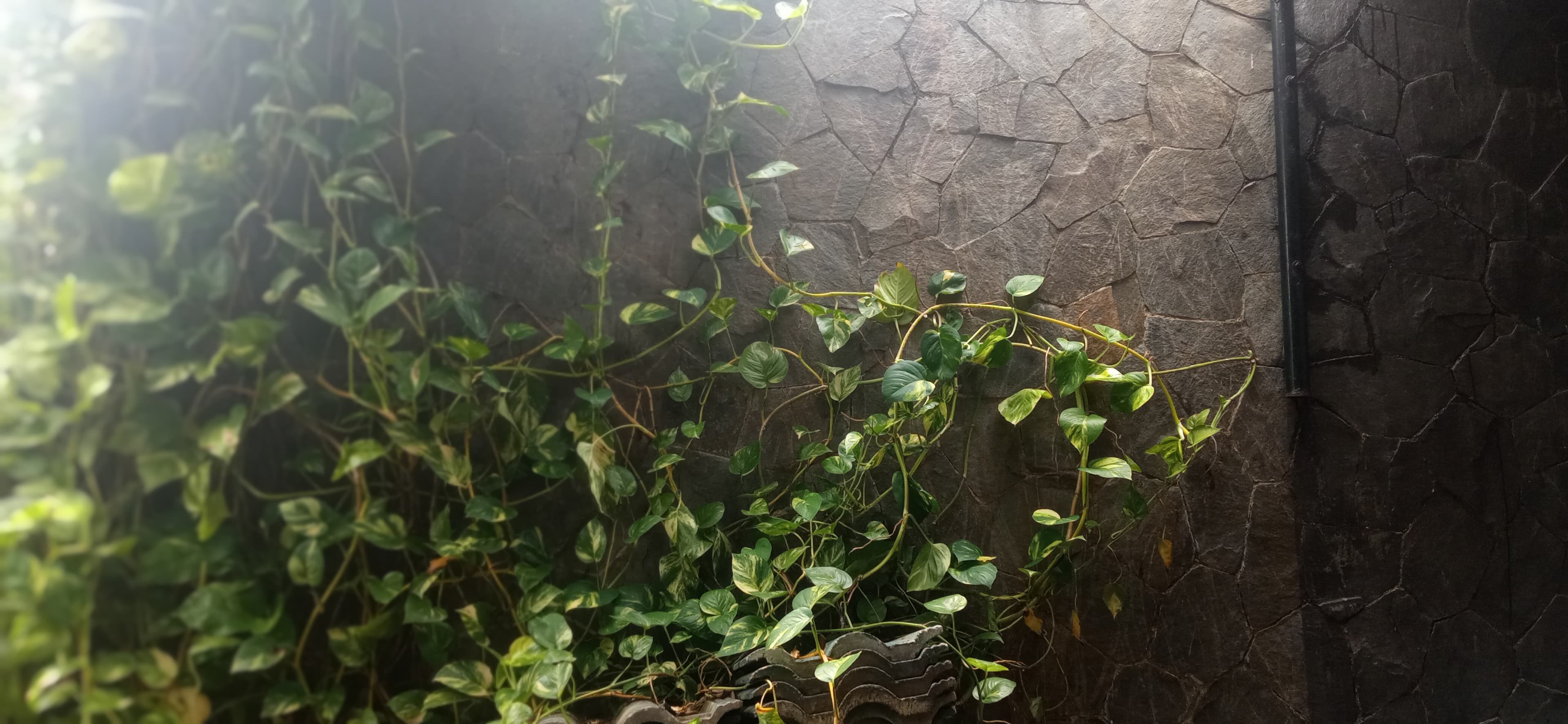
For species-specific routines, see Ctenanthe care, Monstera care or Pothos care.
Sources for this guide
7 sources
- Maryland Extension: watering indoor plants
- Maryland Extension: drought stress
- Virginia Cooperative Extension: watering container houseplants
- Maryland Extension: houseplant moisture meters
- Maryland Extension: potting and repotting
- Maryland Extension: diagnosing indoor plant problems
- RHS: leaf damage on houseplants
Spotted something that needs correcting? Send a message.