Fiddle Leaf Fig Care: Light, Watering and Leaf Drop
Work from the pot and the newest leaves when your fig changes.
Quick questions
Why are the lower leaves dropping?
Older leaves can age out, but repeated drop deserves a check of light, moisture, temperature and pests. The position of the leaf alone cannot identify the cause.
How often should I water a fiddle leaf fig?
Water after checking the mix below the surface and the pot weight. Light, pot size and season change how quickly it dries.
Can I move my fig to a brighter window?
Yes. Increase direct exposure gradually and watch for pale or scorched patches on leaves that were grown in lower light.
Will brown patches turn green?
No. Correct the cause and judge the change by later leaves.
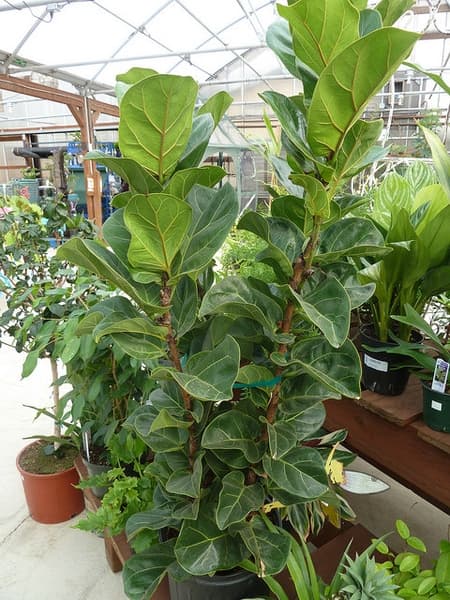
Ficus lyrata is a small tree indoors, with large, violin-shaped leaves. It needs useful light and a pot that drains; a dropped leaf alone does not identify the cause.
Light and position
Give it a bright position near a window. Introduce stronger direct sun gradually and protect leaves from a sudden hot afternoon exposure. If new leaves stay small or growth stalls, check the available light before adding fertiliser.
Water by checking the pot
Feel below the surface and lift the pot. When the upper mix has dried and the pot is lighter, water thoroughly and empty the saucer. A large pot in a dim room can stay wet far longer than a smaller pot in good light, so an eight-day rule is unreliable.
Soil, pot and growth
Use a container with drainage and a mix that holds some moisture without remaining soggy. Repot when roots and watering behaviour justify it, into a pot only modestly larger. Wipe dusty leaves gently so you can inspect them at the same time.
If something looks wrong
Leaf drop after a move may reflect changed light, temperature or moisture. Check the pot before watering again. Dry brown patches facing the window can follow abrupt sun exposure; dark patches with a persistently wet mix call for a root check. Inspect leaf undersides for pests as well.
Safety and the next check
Ficus has a milky sap that can irritate skin. Wear gloves when pruning and keep cuttings away from pets and children. New growth, rather than an old damaged leaf, is your best measure of improved care.
Keep a short record of when you checked the mix, watered and moved the plant. Compare new growth with your notes before making another change.
Related LeafLovers guides
Sources for this guide
2 sources
Spotted something that needs correcting? Send a message.