Heartleaf Philodendron Care Guide - Light, Water, Soil & Expert Tips
A cheerful, forgiving vine that trails or climbs with equal enthusiasm.
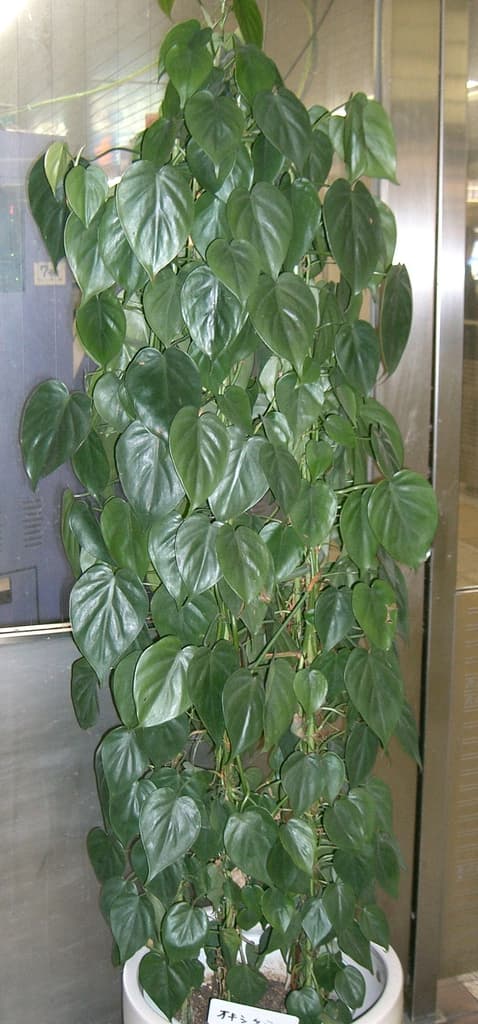
Your Heartleaf Philodendron (Philodendron hederaceum) is one of the cheeriest plants you will ever own. It trails beautifully from shelves, climbs happily up a support, grows fast, and forgives your mistakes with barely a brown leaf. This Heartleaf Philodendron care guide covers everything to keep this joyful vine thriving.
Light
Heartleaf Philodendron thrives in medium to bright indirect light. It tolerates lower light well, but growth will slow and the vines may become leggy with sparse leaves.
Avoid direct sunlight, which can burn the delicate heart-shaped leaves. A spot near a window with filtered light, or a few feet back from a sunny window, is ideal. East-facing windows are particularly good, offering gentle morning sun without the harshness of afternoon rays. In winter, when light levels drop, you can safely move it a little closer to the window or supplement with a grow light to keep growth steady and prevent the vines from becoming spindly.
Signs of too much light: Yellowed or scorched leaves, washed-out colour.
Signs of too little light: Long gaps between leaves on the vine, smaller leaves, slow growth.
Watering
Water your Heartleaf Philodendron roughly every 8 days in summer and every 12 days in winter. Let the top 2-3 cm of soil dry between waterings, then water thoroughly until water flows from the drainage holes.
This plant is forgiving - it droops a bit when thirsty and perks up quickly after watering. But try not to let it dry out completely, as this can cause leaf loss. Use the finger test before each watering: push your finger into the top few centimeters of soil, and water only if it feels dry at that depth. Heartleaf Philodendrons are not fussy about water quality, but room-temperature water is gentler on the roots than cold tap water straight from the pipe.
Signs of overwatering: Yellow leaves, especially near the base of the plant, mushy stems.
Signs of underwatering: Drooping, dry leaves, slowed growth.
Humidity
Heartleaf Philodendrons appreciate 40-60% humidity. They come from tropical forests and enjoy moist air, but they are adaptable enough to handle average home humidity without complaint.
In winter, if heating makes the air very dry, grouping plants together or using a humidifier can help. A bright bathroom with decent light is also a great spot for this plant, as the natural moisture in the air keeps it happy.
Soil & Potting
This plant likes a cozy pot. Standard aroid mix with perlite works perfectly - something that drains well but holds some moisture. A simple recipe: standard potting soil with a generous handful of perlite mixed in. You can also add a small amount of orchid bark for extra aeration, which the roots appreciate.
Repot when roots start growing from the drainage holes, usually every 1-2 years. Spring is the ideal time to repot, as the plant is entering its active growth phase and recovers quickly from the disturbance.
Common Problems
Leggy vines with few leaves: Not enough light. Move to a brighter spot. You can trim leggy vines and propagate the cuttings for a fuller look.
Yellow leaves: Usually overwatering, especially if the lower, older leaves are affected. Check soil moisture before watering.
Small leaves: Low light or the plant needs feeding. Give it brighter indirect light and a balanced liquid fertiliser monthly in spring and summer. If you grow it on a moss pole, the leaves will naturally increase in size as the aerial roots attach.
Root rot: Caused by soggy soil. Ensure drainage holes are clear and the soil drains well.
Brown leaf tips: Often caused by dry air, especially during winter when heating is running. Grouping plants together or running a small humidifier nearby usually solves the issue.
Toxicity
Heartleaf Philodendron is moderately toxic to cats and dogs. It contains calcium oxalate crystals that cause mouth and throat irritation if chewed. Keep trailing vines trimmed short or hung high where pets cannot reach.
Quick Reference
| Care Need | Details |
|---|---|
| Light | Medium to bright indirect |
| Water (summer) | Every 8 days |
| Water (winter) | Every 12 days |
| Humidity | 40-60% |
| Difficulty | Beginner |
| Personality | Cheerful |
| Toxic | Moderate - cats, dogs |
Why Heartleaf Philodendron Belongs in Your Collection
This is the very forgiving starter plant that grows fast and looks stunning trailing from a shelf or climbing a moss pole. Its Cheerful personality means it is always putting out new growth - you can propagate cuttings in water in just a few weeks and fill your entire home with trailing greenery. With LeafLovers care reminders, you will keep it watered on schedule and enjoy watching those heart-shaped leaves multiply. This Heartleaf Philodendron care guide is your ticket to lush, easy greenery.
Care reference
Need the full care profile for Heartleaf Philodendron?
Check the encyclopedia for light, watering, soil, pet safety, and pot guidance - then use LeafLovers to fit it to your plant and home.
Free weekly plant care tips
Get personalised tips delivered to your inbox. No app needed, no spam, unsubscribe anytime.
No credit card. No tricks. No strings. Just plants.