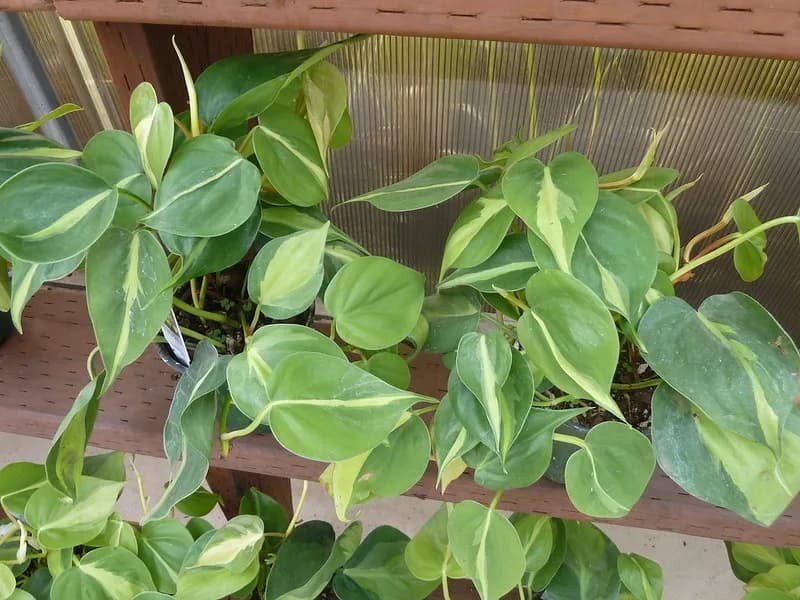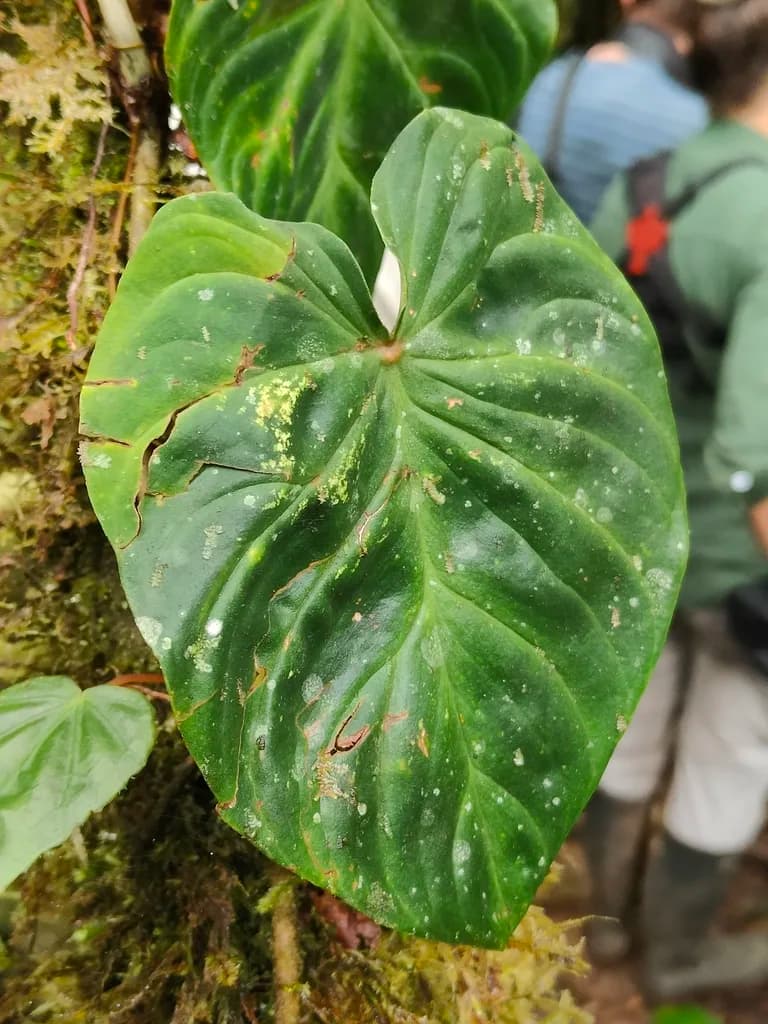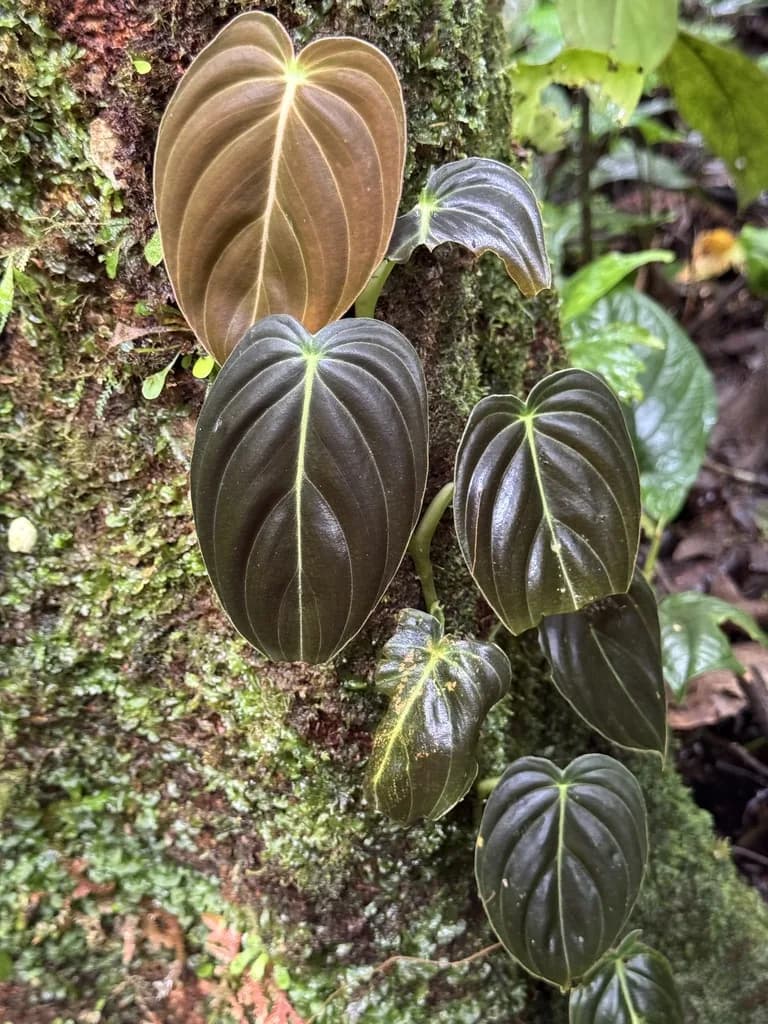
Philodendron melanochrysum with dark velvety heart-shaped leaves
Care Guide

Philodendron Melanochrysum Care Guide - Light, Water, Soil & Expert Tips

Dark velvet leaves with a golden shimmer - the collector dream.

7 min read LeafLovers Plant Guides

Philodendron melanochrysum is the kind of plant that stops you in your tracks. Its large, elongated, heart-shaped leaves are covered in a dark, velvety texture that shimmers gold in the right light - the name literally means "black gold." If you have been drawn into the world of rare plants, this philodendron melanochrysum care guide will help you give this magnificent specimen the care it deserves.

This is a collector favorite for good reason: few plants combine texture, color, and drama quite like the melanochrysum. It is moderately toxic to cats and dogs, so keep it in a spot your pets cannot access.

Light

Bright, indirect light is essential. Melanochrysum grows as a climbing vine in nature, reaching toward dappled canopy light. Too little light and it produces smaller, less impressive leaves. Too much direct sun and the delicate velvet texture of the leaves can burn. An east-facing window or a bright room with filtered light works well. A grow light can supplement during darker months.

Watering

Water every 8 to 12 days, allowing the top portion of soil to dry slightly between waterings. Melanochrysum prefers the slight-dry approach - it is far more tolerant of a missed watering than of soggy roots. Always check the soil before watering. The chunky mix this plant needs (more on that below) dries faster than regular potting soil, so adjust your schedule accordingly.

Humidity

This is crucial in your philodendron melanochrysum care guide. Aim for 60 to 80 percent humidity. The velvety leaves develop their best size and texture in high humidity. In dry air, the leaves stay smaller and may develop brown edges. A humidifier is the most reliable solution. Grouping it with other tropical plants helps as well.

Soil & Potting

Melanochrysum demands excellent drainage. Use a chunky aroid mix with sphagnum moss, orchid bark, and perlite. This plant likes a snug pot - overpotting leads to soil that stays wet too long, inviting root rot. A moss pole or trellis is essential, as melanochrysum is a climbing plant that produces significantly larger leaves when it can climb upward.

Common Problems

Small leaves: The plant is not climbing or the light is insufficient. Provide a moss pole and bright indirect light. Climbing melanochrysum can produce leaves over 60 centimeters long.

Yellow leaves: Overwatering is the most common cause. Ensure the chunky mix is draining well and that you are letting it dry slightly between waterings.

Brown leaf edges: Low humidity. Increase ambient humidity with a humidifier - this plant genuinely needs it to produce its best foliage.

Slow growth: Normal in winter. During the growing season, ensure adequate light, humidity, and a moss pole for climbing.

Toxicity

Philodendron melanochrysum is moderately toxic to cats and dogs. Keep out of reach of pets.

Quick Reference

Care AspectDetails
LightBright indirect
Water every8-12 days
Humidity60-80%
SoilChunky aroid mix with sphagnum
ToxicityToxic to cats and dogs
DifficultyIntermediate

Why Philodendron Melanochrysum Belongs in Your Collection

If you have space for one collector philodendron, melanochrysum is a strong contender. Those dark, velvety, gold-shimmering leaves are genuinely unforgettable. This philodendron melanochrysum care guide gives you the foundation to grow specimen-quality foliage that will be the crown jewel of any collection.

Care reference

Need the full care profile for Philodendron Melanochrysum?

Check the encyclopedia for light, watering, soil, pet safety, and pot guidance - then use LeafLovers to fit it to your plant and home.

Open care guide

Free weekly plant care tips

Get personalised tips delivered to your inbox. No app needed, no spam, unsubscribe anytime.

No credit card. No tricks. No strings. Just plants.

Plant Doctor

AI diagnosis connected to your plant's actual care history. Personalized advice, not generic tips.

Get Plant Doctor

Identify a Plant

Snap a photo and instantly know what plant you have - plus how to care for it.

Identify now
Lightweight and fast
Your data stays yours
Plants with personality
Genuinely free to use

FREE TO USE

🌱Unlimited plants
πŸ””Smart reminders
πŸ“‹AI paste-to-add (10 free)
πŸ“šFull care guide library
πŸ“ΈPlant photo journal
πŸ“ŠExport all your data
Try LeafLovers Free

Your plants deserve better than a sticky note

Smart reminders that adapt to your pot size, light, and seasons.

πŸ’§Watering reminders that actually learn
🩺AI plant doctor with photo diagnosis
πŸ›‘οΈPet safety warnings on every plant
πŸ”’Your data stays yours - always exportable
Start Growing Free

No credit card. No tricks. Ready in 30 seconds.

LeafLovers dashboard showing weekly care, plants needing soil checks, and smart watering reminders