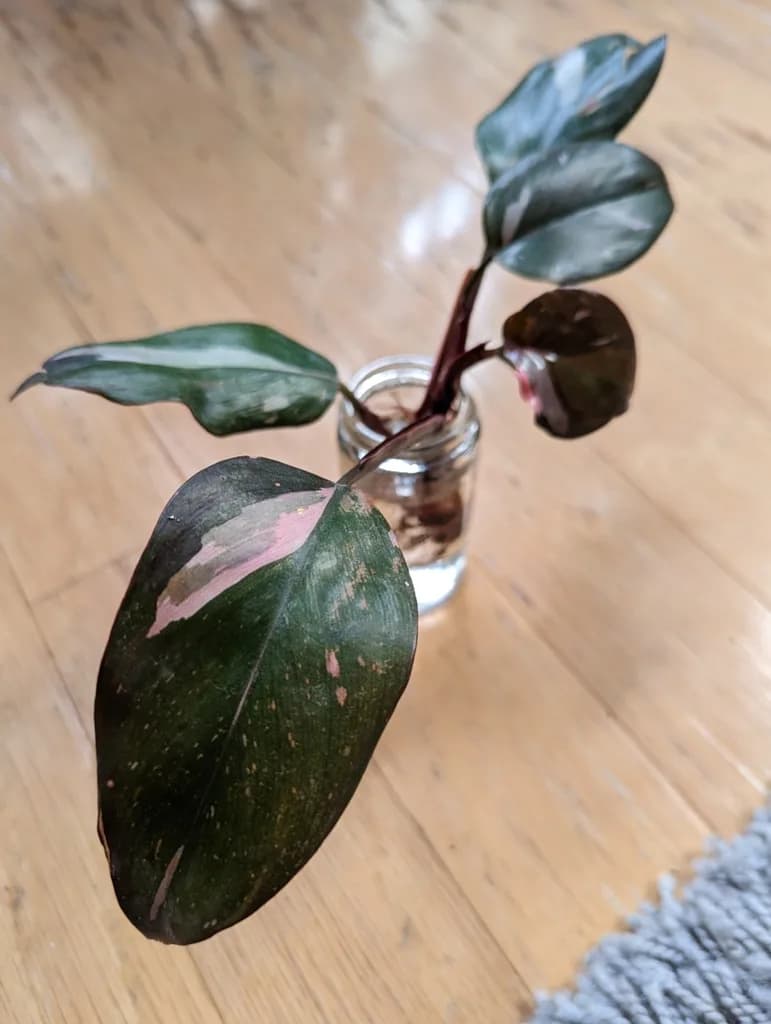
Philodendron Pink Princess with pink variegated leaves
Care Guide

Philodendron Pink Princess Care Guide - Light, Water, Soil & Expert Tips

She is pink, she is rare, and she has standards.

7 min read LeafLovers Plant Guides

The Philodendron Pink Princess is the plant that launched a thousand wishlists. With its dark, glossy leaves splashed with bubblegum pink variegation, Philodendron erubescens is unlike anything else in the plant world. But that pink variegation is unstable - it can fade or disappear without proper care. This philodendron pink princess care guide will help you keep the pink coming.

Pink Princess is moderately toxic to cats and dogs, so keep it out of reach of pets. It is an intermediate-level plant that rewards attentive care with absolutely stunning growth.

Light

This is the single most important factor in your philodendron pink princess care guide. Bright, indirect light is essential - and more is better than less. Without enough light, the pink variegation reverts to green. The plant needs all the energy it can get to produce those non-photosynthesizing pink sections. A few hours of gentle morning direct sun from an east-facing window is beneficial. Avoid harsh afternoon sun, which burns the pink portions first since they lack protective chlorophyll.

Watering

Water every 8 to 12 days, allowing the top few centimeters of soil to dry out between waterings. Pink Princess prefers the slight-dry side - it handles underwatering better than overwatering. Always check the soil before watering. In winter, reduce frequency as growth slows.

Humidity

Aim for 50 to 70 percent humidity. While Pink Princess is not as demanding as some tropical plants, higher humidity encourages larger leaves with better variegation. A humidifier in the growing space makes a noticeable difference in leaf size and quality.

Soil & Potting

Use a chunky aroid mix with orchid bark and perlite. Pink Princess likes a cozy pot - do not overpot. The roots need excellent airflow, and a chunky, fast-draining mix prevents the root rot that can devastate this plant. A mix of orchid bark, perlite, and a small amount of potting soil is ideal. Clear nursery pots let you monitor root health easily.

Common Problems

Loss of pink variegation: The most feared problem. Usually caused by insufficient light. Move to a brighter spot immediately. If a stem reverts to all-green, prune back to the last node that produced a pink leaf.

All-pink leaves: While beautiful, fully pink leaves cannot photosynthesize and will eventually die. This actually indicates too much variegation, which can weaken the plant. Ensure the plant gets enough light to support the pink sections.

Root rot: Caused by overwatering or soil that stays too wet. Use chunky, fast-draining soil and always check moisture before watering.

Slow growth: Normal for a variegated plant. Pink Princess grows slower than all-green philodendrons because the pink sections do not produce energy. Patience is key.

Toxicity

Philodendron Pink Princess is moderately toxic to cats and dogs due to calcium oxalate crystals. Keep out of reach of pets and children.

Quick Reference

Care AspectDetails
LightBright indirect (some morning sun)
Water every8-12 days
Humidity50-70%
SoilChunky aroid mix with orchid bark
ToxicityToxic to cats and dogs
DifficultyIntermediate

Why Philodendron Pink Princess Belongs in Your Collection

There is simply no substitute for the Pink Princess. That combination of dark, glossy foliage and bubblegum pink variegation is uniquely captivating. This philodendron pink princess care guide gives you the knowledge to maintain that coveted pink coloring and grow a specimen worth showing off.

Care reference

Need the full care profile for Philodendron Pink Princess?

Check the encyclopedia for light, watering, soil, pet safety, and pot guidance - then use LeafLovers to fit it to your plant and home.

Open care guide

Free weekly plant care tips

Get personalised tips delivered to your inbox. No app needed, no spam, unsubscribe anytime.

No credit card. No tricks. No strings. Just plants.

Plant Doctor

AI diagnosis connected to your plant's actual care history. Personalized advice, not generic tips.

Get Plant Doctor

Identify a Plant

Snap a photo and instantly know what plant you have - plus how to care for it.

Identify now
Lightweight and fast
Your data stays yours
Plants with personality
Genuinely free to use

FREE TO USE

🌱Unlimited plants
πŸ””Smart reminders
πŸ“‹AI paste-to-add (10 free)
πŸ“šFull care guide library
πŸ“ΈPlant photo journal
πŸ“ŠExport all your data
Try LeafLovers Free

Your plants deserve better than a sticky note

Smart reminders that adapt to your pot size, light, and seasons.

πŸ’§Watering reminders that actually learn
🩺AI plant doctor with photo diagnosis
πŸ›‘οΈPet safety warnings on every plant
πŸ”’Your data stays yours - always exportable
Start Growing Free

No credit card. No tricks. Ready in 30 seconds.

LeafLovers dashboard showing weekly care, plants needing soil checks, and smart watering reminders