Dieffenbachia Care: Light, Water and Safe Handling
Keep spotted foliage healthy and take its irritating sap seriously.
Quick questions
Is Dieffenbachia safe for cats and dogs?
No. It contains irritating calcium oxalate crystals. Keep it out of reach and seek veterinary advice after chewing.
Why is it drooping?
Check the root ball first. Both dryness and roots damaged in wet mix can cause a wilt.
Does it need direct sun?
No. Indirect light suits it; hot direct sun can mark the leaves.
Can I cut back a tall cane?
Yes, a healthy cane can be shortened and suitable stem pieces rooted. Use gloves and clean tools.
Why are lower leaves yellow?
A few old leaves may age, but repeated yellowing calls for a check of moisture, roots, light and pests.
Is the sap dangerous to touch?
It can irritate skin and eyes. Wear gloves for pruning, wash hands and keep hands away from your face.
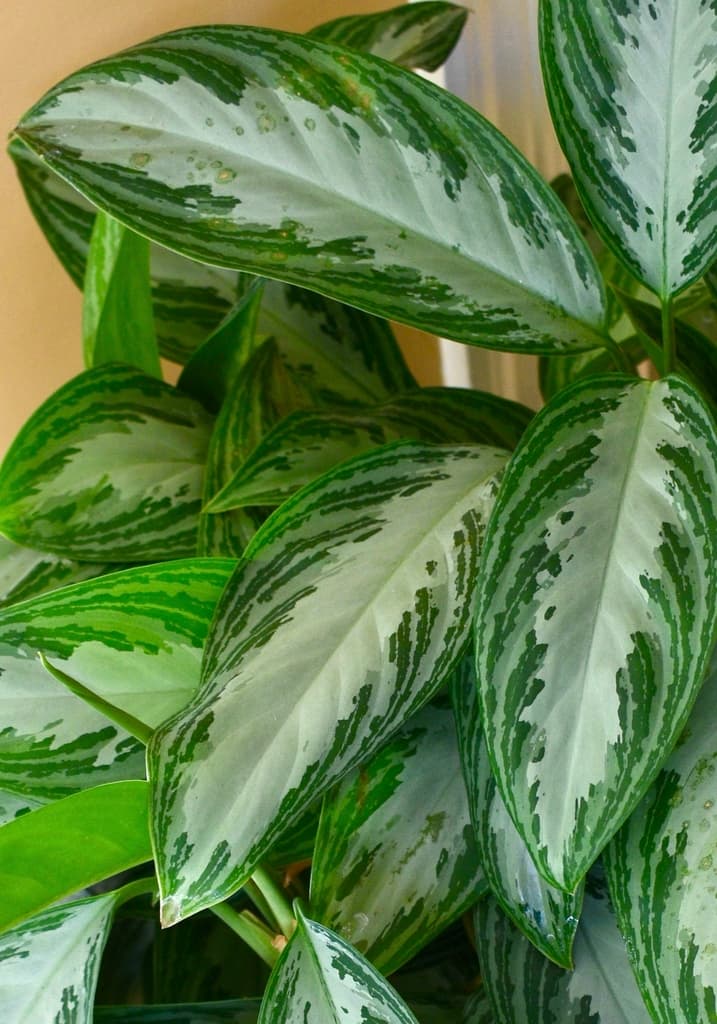
Dieffenbachia is a group of broad-leaved tropical houseplants; many older names now fall under Dieffenbachia seguine. The reference photograph shows variegated D. seguine foliage. Check a plant label before treating every cultivar as identical.
Light and position
Give indirect light. Too much hot direct sun can damage leaves; a very dark position may slow growth and reduce contrast. Keep it away from cold draughts and sudden temperature drops.
Water by checking the pot
Allow the upper layer to begin drying, then water thoroughly and drain. Push a finger below the surface, especially in a large pot. Drooping can follow a dry root ball or root damage from prolonged wetness, so inspect before adding water.
Potting and growth
Use a loose, organic mix with good drainage. Repot when roots crowd the pot, not because a calendar says so. A tall bare cane can be shortened with clean tools and healthy stem pieces rooted, but wear gloves and keep cuttings away from children and animals.
Work through common problems
Yellowing at the base may be ageing, yet several yellow leaves with wet mix deserve a root check. Brown edges can follow moisture or dry air; inspect new growth and leaf undersides for pests before treating. Old marks do not reverse.
Safety and your next check
Dieffenbachia contains irritating calcium oxalate crystals. Chewing it can cause significant mouth irritation; its sap can irritate skin and eyes. Keep it out of reach, wash after handling and seek veterinary or medical advice after exposure.
Related LeafLovers guides
Sources for this guide
2 sources
Spotted something that needs correcting? Send a message.