Small Pot vs Big Pot: Why Your Watering Schedule Keeps Going Wrong
The pot changes the rhythm. Here is how to water with the roots in mind.
If your plant is in a tiny pot, it may dry out fast. If it is in a big pot, the top can look dry while the deeper soil is still damp. That is why the same "water every 7 days" advice can help one plant and quietly overwater another.
Pot size changes watering more than most people expect. Your plant is not only drinking from the soil. The pot is also deciding how quickly that soil dries.
Why pot size changes watering
A small pot holds less soil. Less soil means less stored moisture. It warms up faster, dries faster, and gives roots less backup water between checks.
A big pot holds more soil. More soil means more stored moisture. That sounds helpful, but it can also keep the root zone wet for too long, especially if the plant is small or the room is cool.
This is why two identical monsteras can need different care:
| Plant | Pot | What happens |
|---|---|---|
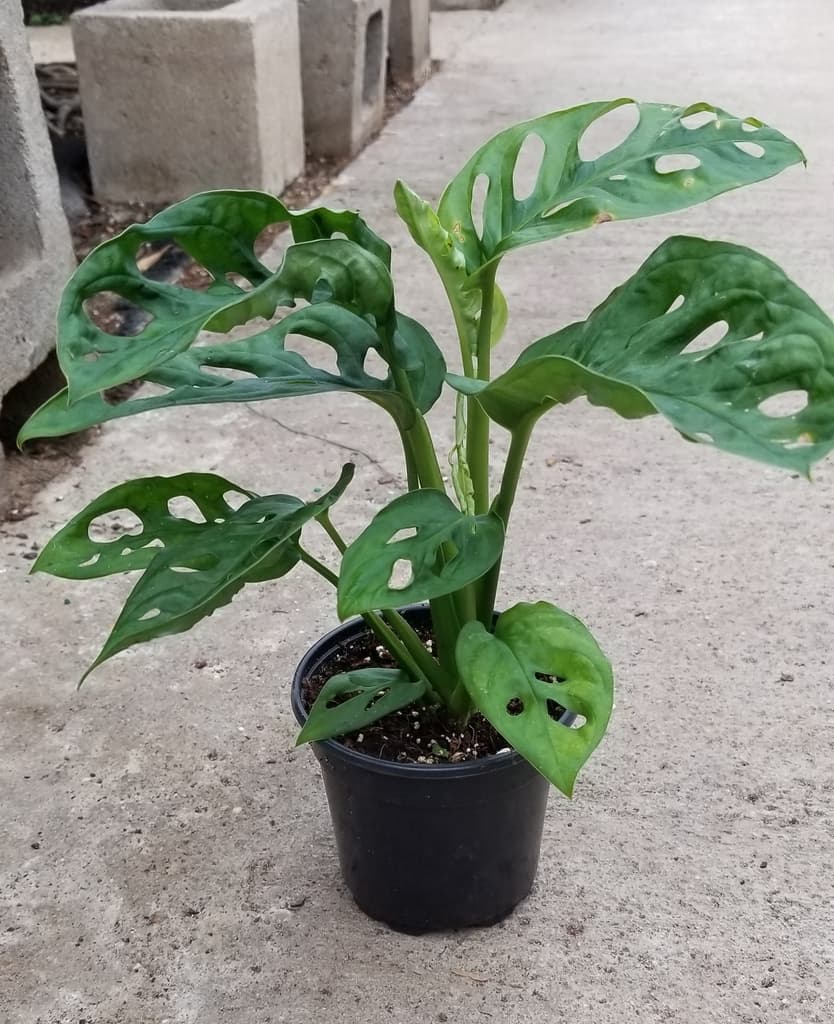
| Monstera A | 8cm nursery pot | Dries quickly and may need checking often |
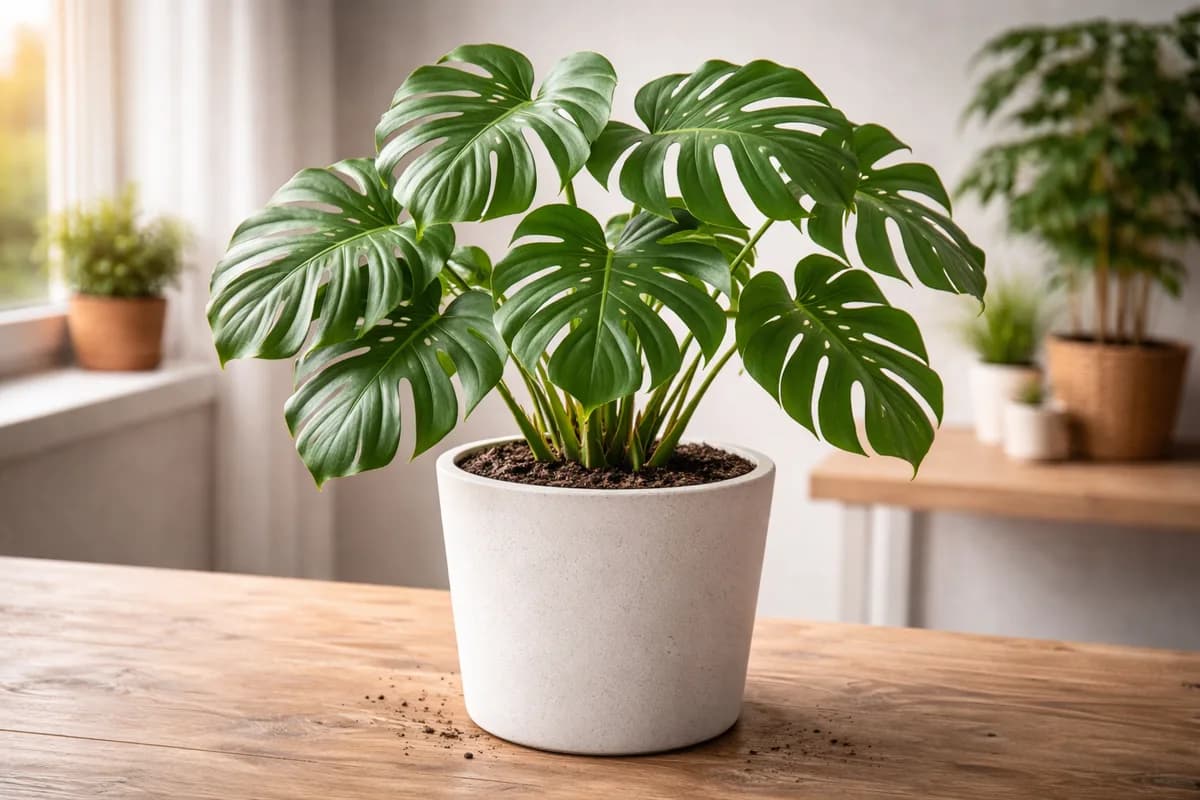
| Monstera B | 22cm decorative pot | Holds moisture longer and may need more waiting |
| Monstera C | Oversized pot | Can stay damp around the roots and risk rot |
The plant may be the same. The pot changes the rhythm.
The small pot problem
Small pots dry out quickly. This can help cuttings, young plants, and plants that hate sitting wet. But it can also make thirsty plants droop more often.
Signs your pot may be too small:
- The soil dries out a day or two after watering
- Water runs straight through the pot
- Roots are circling the bottom or coming through drainage holes
- The plant droops again soon after a good drink
- The plant tips over because the top is bigger than the pot
What to try:
- Check the soil more often, not just on your usual watering day
- Water thoroughly until water drains from the bottom
- If roots are crowded, move up only 2-5cm in pot width
- Avoid jumping from a small pot to a huge one
A small pot can be fine. It just asks you to check more often.
The big pot problem
Big pots can feel safer because they give the plant more room. But too much extra soil can stay wet long after the top looks dry.
That wet soil can block air from the roots. Roots need both moisture and oxygen. When they sit in soggy soil too long, they can start to rot.
Signs your pot may be too big:
- The top looks dry, but deeper soil feels damp
- Leaves turn yellow and soft
- The pot feels heavy days after watering
- The soil smells sour or musty
- Fungus gnats appear around the soil
- The plant stops growing after repotting into a much larger pot
What to try:
- Check 5cm deep before watering
- Lift the pot and notice whether it still feels heavy
- Wait longer between watering if deeper soil is damp
- Use a pot with drainage holes
- If the plant is small in a very large pot, consider downsizing
A big pot is not bad. It just holds more water than the surface shows.
The best check: surface plus depth
Do not trust the top of the soil on its own.
The surface dries first because it touches air. The root zone may still be moist underneath.
Try this:
- Touch the top of the soil.
- Push your finger about 5cm deep.
- If it feels dry at that depth, water.
- If it feels cool or damp, wait.
- For succulents and cacti, check deeper and let the soil dry more fully.
If you do not like the finger test, use a wooden chopstick. Push it into the soil, wait a moment, then pull it out. Damp soil will cling to it. Dry soil will not.
Quick pot-size watering guide
| Pot situation | What to do |
|---|---|
| Tiny nursery pot | Check more often |
| Small pot with thirsty plant | Watch for quick drooping |
| Big pot with small plant | Wait longer and check deep |
| Heavy decorative pot | Lift before and after watering to learn the weight |
| No drainage holes | Use as a cover pot only |
| Recently repotted plant | Water carefully while roots settle |
What about pot material?
Pot size matters, but pot material also changes watering.
Terracotta dries faster because it breathes. Plastic and glazed ceramic hold moisture longer. A plant in a terracotta pot may need checking sooner than the same plant in plastic.
Quick guide:
| Pot material | Watering effect |
|---|---|
| Terracotta | Dries faster |
| Plastic nursery pot | Holds moisture longer |
| Glazed ceramic | Holds moisture longer |
| Cover pot without drainage | Higher overwatering risk |
If your plant keeps drying too fast, terracotta may be part of the reason. If your plant keeps staying wet, plastic, ceramic, or an oversized pot may be part of the reason.
When to repot
Repot when the plant shows it has outgrown the pot, not just because the calendar says so.
Good reasons to repot:
- Roots are packed tightly
- Roots come out of drainage holes
- Water runs through too fast
- The plant dries out much faster than before
- Growth has stalled during the growing season
When you repot, go up one pot size. Usually that means 2-5cm wider. That gives roots more room without surrounding them with too much wet soil.
The LeafLovers way to think about watering
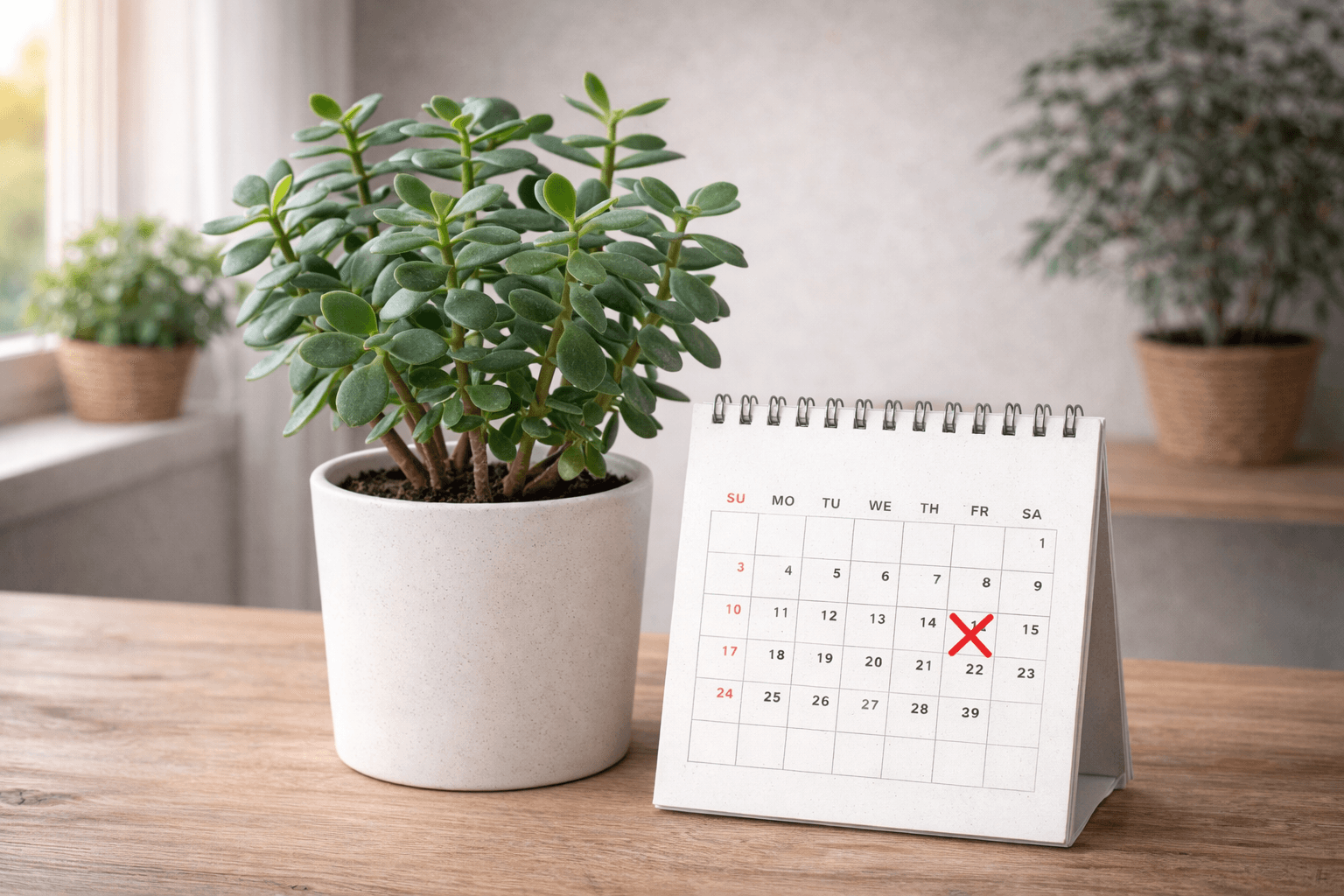
Your watering schedule should be a reminder to check, not a command to pour.
A good rhythm sounds like this:
- "Check the monstera today."
- "Feel the soil."
- "Look at the leaves."
- "Water only if it is ready."
That is where LeafLovers helps. Add your plant, track when you watered, and adjust the rhythm as your plant, pot, home, and season change.
Your plant is not trying to be dramatic. It is responding to its little world. The pot is part of that world.
Quick answer
Small pots dry faster. Big pots stay wet longer. Check below the surface before watering, and use the calendar as a reminder to inspect your plant - not as a strict watering rule.
You have got this.
Related guides
Spotted something that needs correcting? Send a message.