Snake Plant Care Guide: The Most Forgiving Houseplant
If you can forget about it, you can grow it. The ultimate beginner plant.
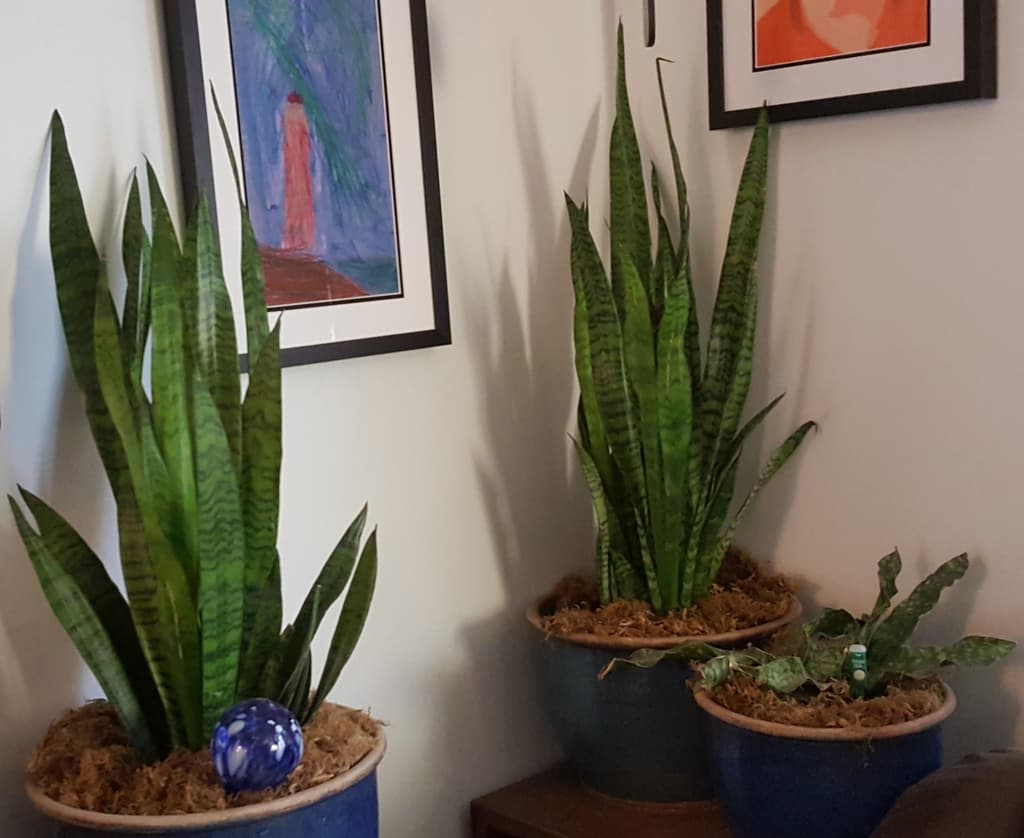
The snake plant (Sansevieria, now officially Dracaena trifasciata) is the most forgiving houseplant you can own. Water it every 2-4 weeks, give it any light from dim to bright, and it'll thrive on your neglect. If you're new to plants, start here.
Snake plants are Zen plants - calm, low-maintenance, and unbothered by your busy schedule. They purify your air, tolerate almost any condition, and ask for almost nothing in return.
Light
Snake plants are genuinely flexible with light. They survive in low light, grow in medium light, and thrive in bright indirect light.
What works
- Bright indirect light - fastest growth, most vibrant colors
- Medium light - perfectly happy, steady growth
- Low light - survives well, slower growth, colors may darken
- Some direct morning sun - totally fine, avoid harsh afternoon sun
What to avoid
- Prolonged direct afternoon sun (can scorch the leaves)
- Complete darkness (no plant can survive with zero light)
The beauty of snake plants is that they adapt. A snake plant in a dim bathroom will grow slowly but look great. One near a bright window will push out new leaves regularly.
Water
This is where most people go wrong. Snake plants need very little water. The number one killer of snake plants is overwatering.
How often to water
- Summer: Every 2-3 weeks
- Winter: Every 3-4 weeks, sometimes even less
- The rule: Let the soil dry out completely between waterings
How to water correctly
- Stick your finger into the soil. If it's dry all the way down, water
- If there is any moisture at all, wait
- When you do water, water thoroughly until it drains from the bottom
- Empty the saucer - never let a snake plant sit in water
Signs of overwatering
- Leaves turning soft and mushy at the base
- Yellow leaves
- Brown, mushy roots (root rot)
- A musty smell from the soil
- Leaves falling over
Signs of underwatering
- Leaves wrinkling or curling inward
- Brown, crispy leaf tips
- Leaves looking dull or pale
When in doubt, don't water. A snake plant can go weeks without water and bounce back. But root rot from overwatering can be fatal.
Soil
Snake plants need well-draining soil. Standing water around the roots is the fastest way to kill them.
Best options:
- Cactus and succulent mix (available at any garden center)
- Regular potting soil mixed 50/50 with perlite or coarse sand
- Any mix that dries out quickly
Avoid: Heavy, moisture-retaining potting mixes designed for tropical plants.
Pot
- Always use a pot with drainage holes. This is non-negotiable for snake plants
- Terracotta pots are ideal because they wick moisture away from the soil
- Snake plants are top-heavy, so choose a pot with some weight to prevent tipping
- Do not go too big - a pot that's 2-5cm larger than the root ball is perfect
Temperature and humidity
Snake plants are unfussy about both.
- Temperature: 15-27C (60-80F) is ideal. They can handle brief dips to 10C (50F) but don't push it
- Humidity: Normal household humidity is fine. They don't need misting
- Avoid: Cold drafts, temperatures below 10C, and placement directly on cold floors in winter
Feeding
Snake plants are light feeders.
- Feed once a month in spring and summer with a balanced liquid fertilizer at half strength
- Do not feed at all in autumn and winter
- If in doubt, skip the feeding - underfed snake plants are fine, overfed ones get brown tips
Common varieties
| Variety | Description |
|---|---|
| Sansevieria trifasciata 'Laurentii' | The classic - dark green with yellow edges |
| Sansevieria trifasciata 'Black Coral' | Dark, almost black-green leaves |
| Sansevieria cylindrica | Cylindrical, spear-like leaves |
| Sansevieria 'Moonshine' | Pale silvery-green, stunning |
| Sansevieria 'Whale Fin' | Single large paddle-shaped leaf |
| Sansevieria trifasciata 'Hahnii' | Compact rosette, great for small spaces |
Propagation
Snake plants are easy to propagate. Two methods:
Division (easiest)
- Remove the plant from its pot
- Separate the rhizomes (underground stems) by gently pulling them apart
- Each section should have roots and at least one leaf
- Pot each section separately in well-draining soil
Leaf cuttings
- Cut a healthy leaf into 8-10cm (3-4 inch) sections
- Let the cuts dry for 24 hours (this prevents rot)
- Place the cuttings cut-side down in moist soil or water
- Wait 4-8 weeks for roots to develop
- Note: variegated varieties may lose their yellow edges when propagated from cuttings
Common mistakes
- Overwatering - the number one killer. When in doubt, wait
- No drainage holes - guarantees root rot eventually
- Using heavy soil - snake plants need soil that dries quickly
- Watering on a schedule - check the soil instead
- Worrying too much - these plants thrive on neglect
Quick reference
| Light | Low to bright indirect - very flexible |
|---|---|
| Water | Every 2-4 weeks, let soil dry completely |
| Humidity | Normal household (30-50%) |
| Difficulty | Absolute beginner |
| Personality | Zen |
| Toxic to pets? | Mildly toxic if ingested (cats and dogs) |
Your snake plant is a Zen plant. In LeafLovers, it would say: "Breathe. Relax. I am fine. Seriously, put down the watering can. I will let you know when I need something."
Related guides
Care reference
Need the full care profile for Snake Plant?
Check the encyclopedia for light, watering, soil, pet safety, and pot guidance - then use LeafLovers to fit it to your plant and home.
Free weekly plant care tips
Get personalised tips delivered to your inbox. No app needed, no spam, unsubscribe anytime.
No credit card. No tricks. No strings. Just plants.