10 Best Low-Light Houseplants for Dark Apartments and Offices
10 plants that thrive where others barely survive.
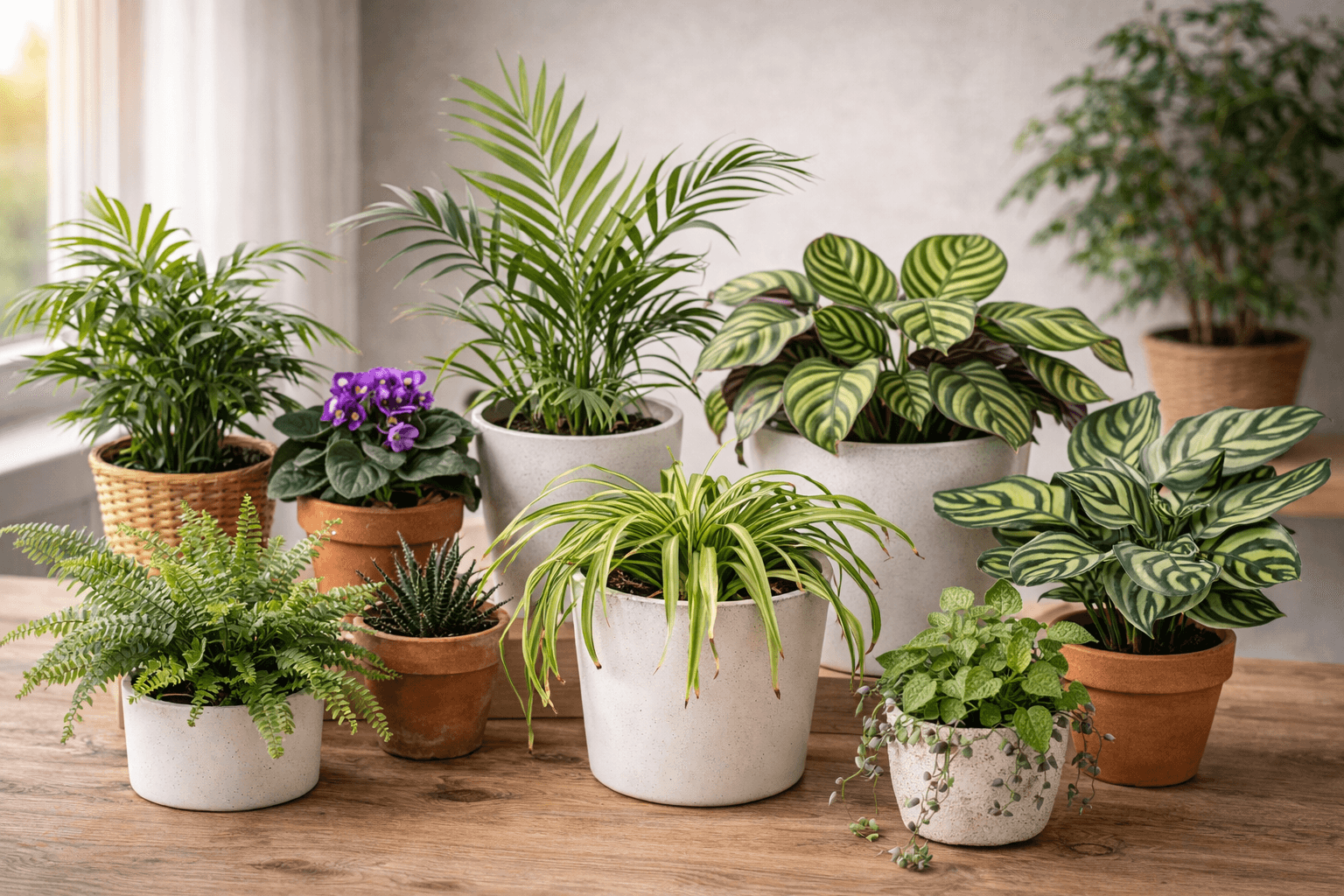
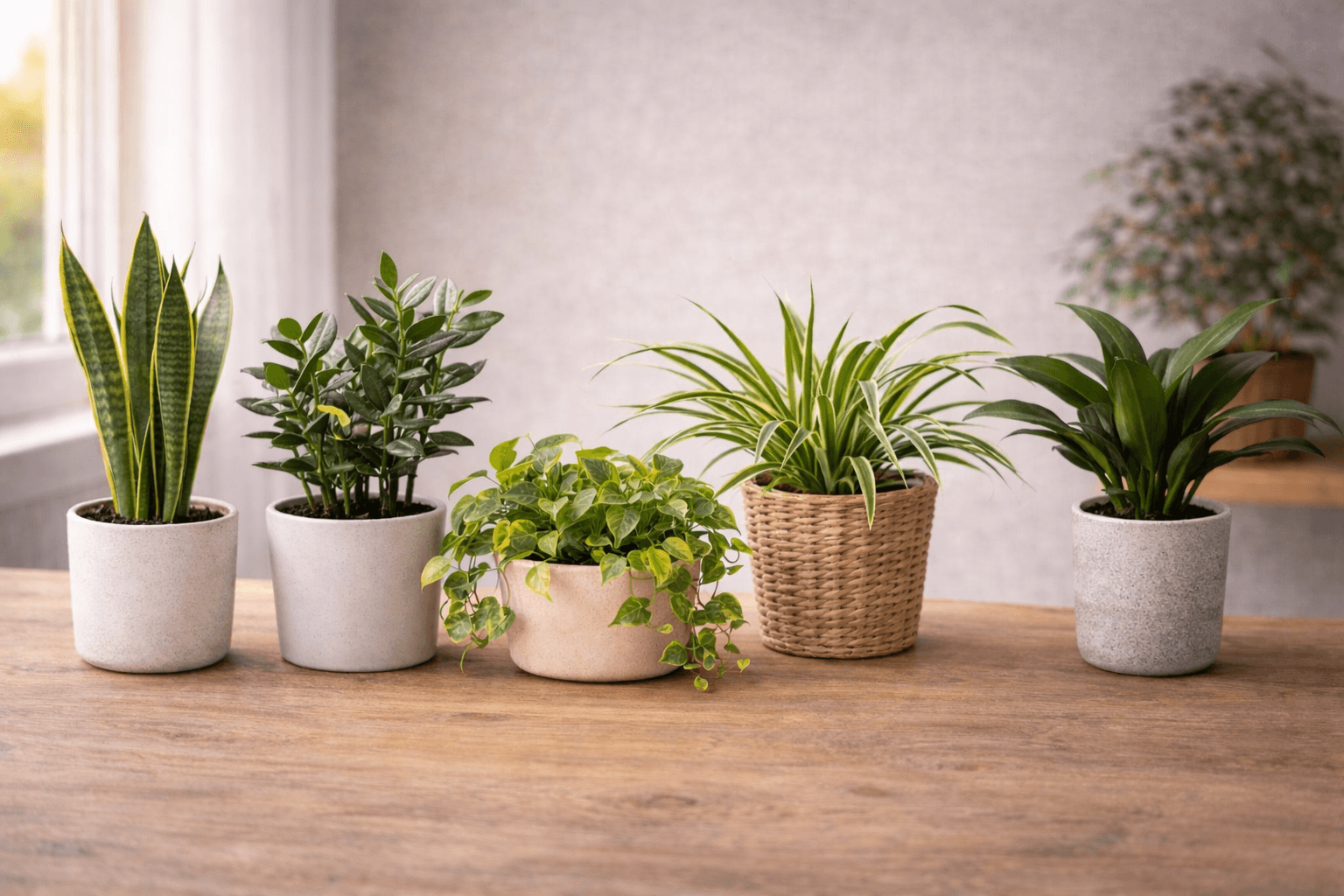
Looking for the best low-light houseplants for a dark apartment or office? These 10 plants genuinely thrive in low light - they're not just surviving, they're adapted to it. Most are forest-floor plants that evolved under dense tree canopies where direct sun never reaches. Perfect for north-facing rooms, dim corners, and windowless offices.
Before we dive into the best low-light houseplants, let us clarify what "low light" actually means.
What "low light" actually means
The term gets thrown around a lot, but it has a specific meaning:
- Low light: A spot where you can comfortably read a book during the day without turning on a lamp. Usually 3+ meters from a window, or near a north-facing window
- Medium light: Near a window but not in direct sun. You can see your shadow but it's soft, not sharp
- Bright indirect: Close to a window, strong shadow but no direct sunbeams hitting the plant
- Direct sun: Sunbeams actually touch the plant
Important: "Low light" doesn't mean "no light." Every plant needs some light. A windowless bathroom or closet won't work for any living plant without grow lights.
1. ZZ Plant (Zamioculcas zamiifolia)
The ultimate low-light champion. ZZ plants survive conditions that would kill most houseplants, thanks to their thick rhizomes that store water and nutrients underground.
| Light requirement | Low to bright indirect (incredibly flexible) |
|---|---|
| Water | Every 2-4 weeks, let soil dry completely |
| Difficulty | Absolute beginner |
| Pet safe | No - mildly toxic |
| Why it works | Rhizomes store water and energy for lean times |
2. Snake Plant (Dracaena trifasciata)
Snake plants adapt to almost any light level. In low light, they grow slowly but maintain their structural beauty. They also purify air and release oxygen at night.
| Light requirement | Low to bright indirect |
|---|---|
| Water | Every 2-4 weeks, let soil dry completely |
| Difficulty | Absolute beginner |
| Pet safe | No - mildly toxic |
| Why it works | Evolved in rocky, shaded areas of West Africa |
In LeafLovers, this one has a Zen personality - calm and unbothered, just like its care routine.
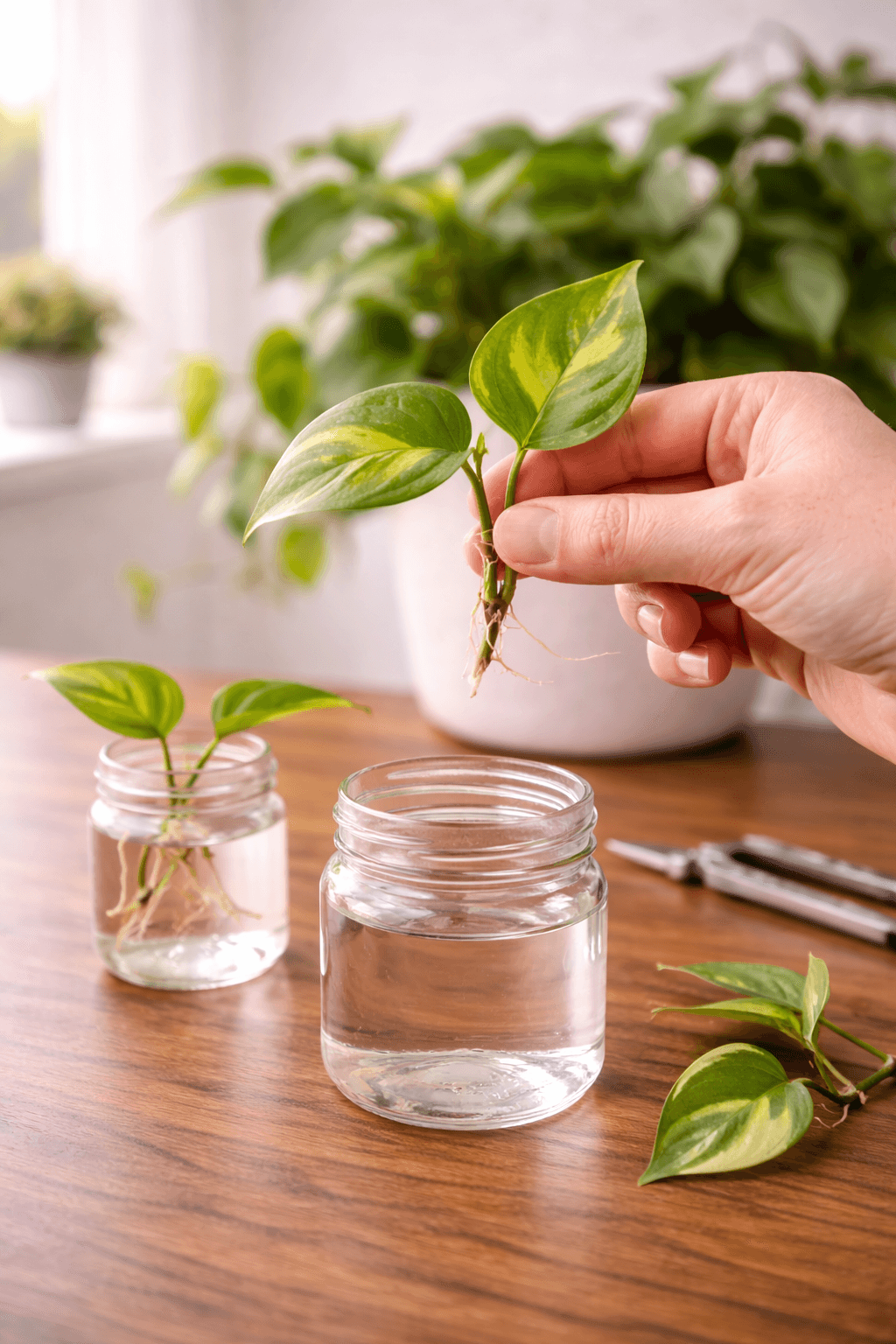
3. Pothos (Epipremnum aureum)
Pothos trail beautifully in low light, though growth is slower and variegation may reduce. The solid green varieties (Jade Pothos) perform best in dim conditions.
| Light requirement | Low to bright indirect |
|---|---|
| Water | Every 7-14 days, when top half of soil is dry |
| Difficulty | Absolute beginner |
| Pet safe | No - mildly toxic |
| Why it works | Rainforest understory plant, adapted to filtered light |
Pothos are Cheerful plants in LeafLovers - enthusiastic growers that trail happily even in the dimmest corners.
4. Cast Iron Plant (Aspidistra elatior)
Named for its near-indestructibility. The cast iron plant actually prefers shade and can suffer in bright light. Dark corners are its natural habitat.
| Light requirement | Low to medium (actually prefers low light) |
|---|---|
| Water | Every 10-14 days |
| Difficulty | Absolute beginner |
| Pet safe | Yes - completely non-toxic |
| Why it works | Native to the dark forest floors of Japan and Taiwan |
5. Peace Lily (Spathiphyllum)
One of very few plants that blooms in low light. Peace lilies produce elegant white flowers even in dim conditions, though they bloom more in medium light.
| Light requirement | Low to bright indirect |
|---|---|
| Water | Every 5-7 days, droops when thirsty |
| Difficulty | Beginner |
| Pet safe | No - mildly toxic |
| Why it works | Tropical forest floor origin, adapted to deep shade |
Peace lilies carry a Dramatic personality in LeafLovers - they will let you know exactly when they need water with a theatrical droop, then bounce right back.
6. Chinese Evergreen (Aglaonema)
Chinese evergreens come in stunning color varieties - silver, pink, red - and many perform well in low light. The darker green varieties tolerate the least light.
| Light requirement | Low to medium indirect |
|---|---|
| Water | Every 7-10 days |
| Difficulty | Beginner |
| Pet safe | No - mildly toxic |
| Why it works | Southeast Asian forest floor native |
7. Parlor Palm (Chamaedorea elegans)
A graceful, pet-safe palm that brings tropical elegance to dim rooms. It has been a popular indoor plant since the Victorian era specifically because it tolerates low light.
| Light requirement | Low to medium indirect |
|---|---|
| Water | Every 7-10 days |
| Difficulty | Beginner |
| Pet safe | Yes - completely non-toxic |
| Why it works | Native to the understory of Mexican and Guatemalan rainforests |
8. Philodendron (heartleaf)
The heartleaf philodendron (Philodendron hederaceum) is a trailing plant similar to pothos that does well in low light. Its heart-shaped leaves cascade beautifully from shelves.
| Light requirement | Low to bright indirect |
|---|---|
| Water | Every 7-10 days, when top 3cm is dry |
| Difficulty | Beginner |
| Pet safe | No - mildly toxic |
| Why it works | Climbs trees in the rainforest, adapted to filtered light |
9. Dracaena (multiple species)
Dracaenas are a large family of plants, many of which tolerate low light well. Dracaena marginata (dragon tree) and Dracaena fragrans (corn plant) are especially shade-tolerant.
| Light requirement | Low to bright indirect |
|---|---|
| Water | Every 10-14 days, let soil dry between waterings |
| Difficulty | Beginner |
| Pet safe | No - toxic to cats and dogs |
| Why it works | Forest understory origins across Africa and Asia |
10. Maranta (Prayer Plant)
Marantas are pet-safe, low-light tolerant, and put on a daily show as their leaves fold up at night. The intricate leaf patterns remain vibrant even in lower light.
| Light requirement | Low to medium indirect |
|---|---|
| Water | Every 5-7 days, use filtered water |
| Difficulty | Beginner to intermediate |
| Pet safe | Yes - completely non-toxic |
| Why it works | Brazilian rainforest floor native, avoids direct sun naturally |
Tips for maximizing low light
Even in a dark apartment, you can optimize what light you have:
- Clean your windows. Sounds obvious, but dirty windows can block 20-40% of light
- Use light-colored walls and surfaces. They reflect light deeper into rooms
- Place mirrors near windows. They bounce light to darker corners
- Remove obstacles. Curtains, furniture, and items on windowsills all block light
- Rotate plants. Turn them a quarter turn every few weeks for even exposure
- Consider grow lights. A simple LED grow light can transform a dark corner. Even a small one running 8-10 hours daily makes a huge difference
- Choose the right variety. Solid green varieties of any species handle low light better than variegated ones
The honest truth about low light
Low-light plants survive and grow in dim conditions, but most would grow faster and look more vibrant in more light. "Tolerates low light" is not the same as "prefers low light" (the cast iron plant being a rare exception).
If your plants are alive and green but growing slowly, that's completely normal in low light. You haven't done anything wrong. They're simply adapting to their environment, just as they would on a shaded forest floor.
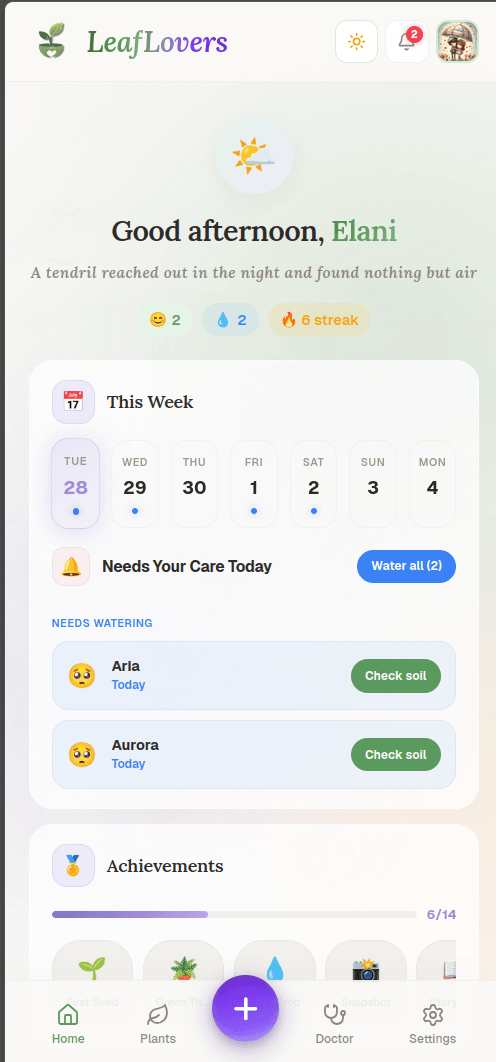
Building a low-light collection? In LeafLovers, you can filter plants by light requirements and track each one's care schedule - so you know exactly what is thriving and what might need a brighter spot.
Related guides
Free weekly plant care tips
Get personalised tips delivered to your inbox. No app needed, no spam, unsubscribe anytime.
No credit card. No tricks. No strings. Just plants.