10 Houseplants Listed as Non-Toxic to Cats and Dogs
Meet ten very different housemates, then choose one that suits your light, routine and pets.
At a glance
Pets & children
Listed non-toxic to pets
Not a child-safety rating. Chewing even a non-toxic plant may upset a pet’s stomach.
Light
Match the species
Some prefer filtered light; others need a brighter place. Check the plant you choose.
Water
No shared schedule
A Boston fern stays moist; a Haworthia needs its mix to dry between drinks.
Plant identity
Check the exact name
A common shop name can cover different plants. Match the botanical name to the safety source.
Looking for a plant your cat or dog can live alongside? Meet the cast: a showy peacock, an unbothered cast iron plant and a fern that likes its own routine. These ten choices have safety references linked below, but non-toxic does not mean edible. Chewing any plant material can upset a pet's stomach, so keep plants out of reach when you can.
Start with the botanical name, then match the plant to your light and the time you have for care. A shop label that only says “palm” or “prayer plant” is not enough to confirm a safety listing.
Pick a personality that fits your home
| Your situation | Start with | Care catch |
|---|---|---|
| You have a bright spot and forget the odd check | Spider plant, baby rubber plant or a correctly identified Haworthia | Check the mix before watering; none benefits from a permanently wet pot. |
| You have filtered light and can check moisture often | Peacock calathea, Boston fern or Maranta | Their mixes should not swing between soggy and fully dry. |
| You need a plant for a more shaded position | Cast iron plant or parlor palm | Shade tolerance does not mean a dark cupboard; watch new growth. |
| You enjoy grooming and colour | Polka dot plant or African violet | Give them suitable light and inspect the pot rather than watering by date. |
Each numbered plant below has a linked safety reference and a first care check. If a pet has already chewed something and seems unwell, contact a veterinarian rather than using this list as a diagnosis.
1.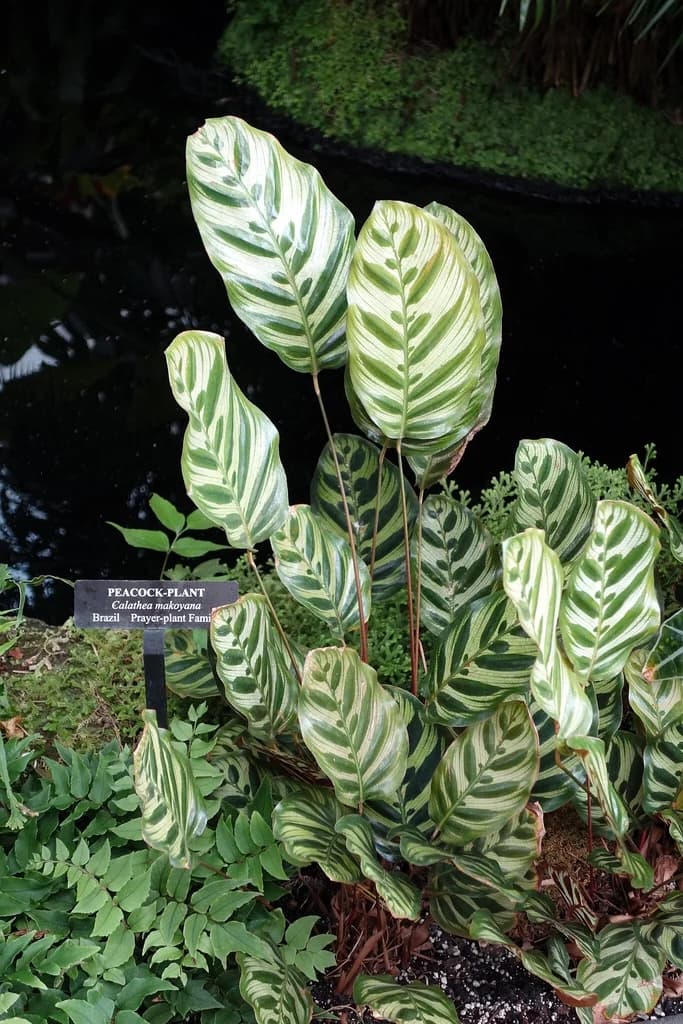 Calathea sold under a confirmed Calathea name
The patterned performer likes filtered light and a lightly moist, draining mix. Brown edges? Check the mix, water source and exposure to strong sun before changing everything at once. This photo shows Goeppertia makoyana, a plant also sold as Calathea makoyana; confirm the exact plant you buy. Safety source: ASPCA.
2.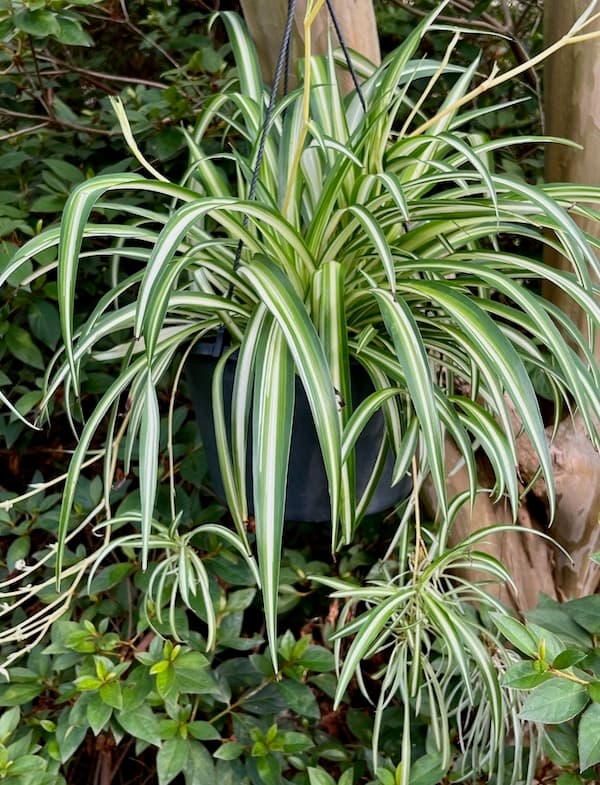 Spider plant (Chlorophytum comosum)
The easygoing parent often makes little plantlets. Give it bright, indirect light and check the pot before watering. Yellowing leaves? Feel below the surface and empty any water trapped in the outer pot before offering another drink. Safety source: ASPCA.
3.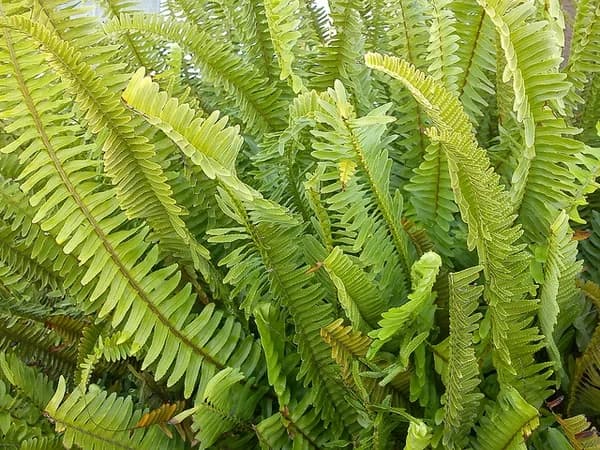 Boston fern (Nephrolepis exaltata 'Bostoniensis')
The lush, slightly demanding one appreciates filtered light and a mix that does not dry out completely. Crisp fronds? Check whether the root zone dried out and whether the plant sits in hot, dry air; do not assume one brown frond proves a single cause. Safety source: ASPCA.
4.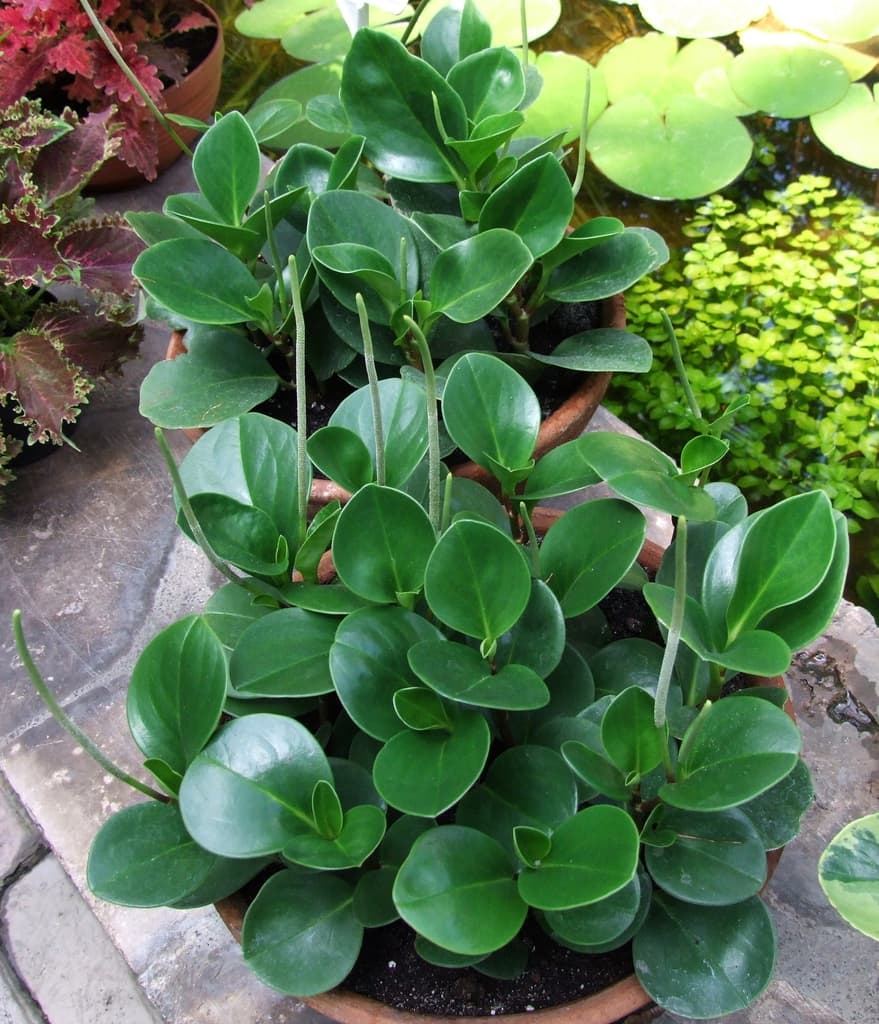 Baby rubber plant (Peperomia obtusifolia)
The calm one with glossy, rounded leaves likes bright, indirect light. Let the upper mix dry before watering. Soft leaves and a wet pot? Check drainage and roots before giving it more water. Safety source: ASPCA.
5.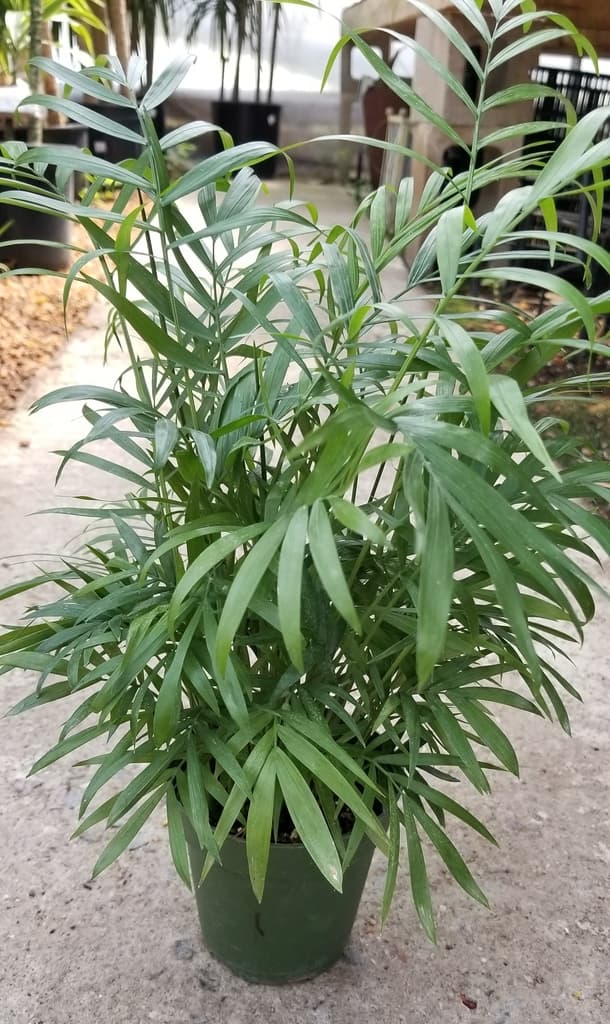 Parlor palm (Chamaedorea elegans)
An elegant, slower-paced housemate for filtered light. Let the mix dry slightly between waterings and drain the pot. Brown leaf tips? Check the whole routine, including water, dry air and draughts, before making a big change. Safety source: ASPCA.
6.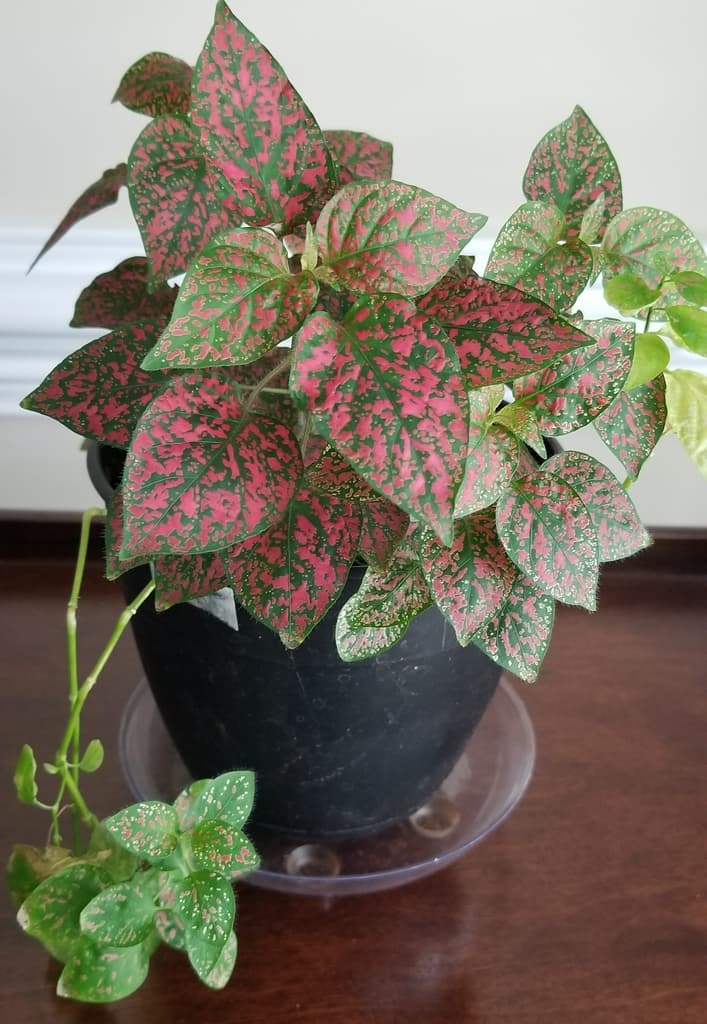 Polka dot plant (Hypoestes phyllostachya)
The colourful attention-seeker rewards bright filtered light and even moisture with drainage. Long, sparse stems? Review light and pinch back leggy growth to keep it compact. Safety source: ASPCA.
7.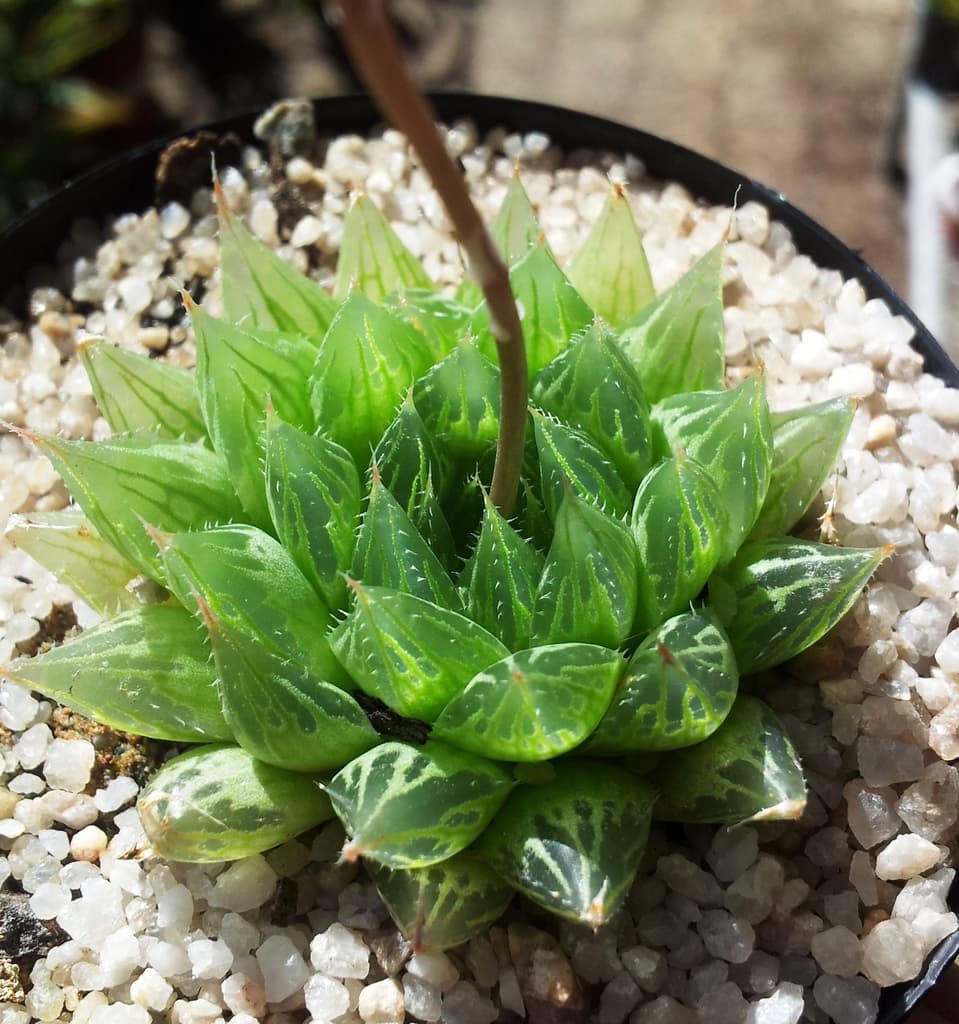 Haworthia sold with a confirmed botanical name
The quiet sculptural one likes bright light and a mix that dries between waterings. Leaves turning soft? Check whether the pot has stayed wet. “Haworthia” covers several plants, so confirm the botanical name rather than relying on a lookalike photo. Safety source: ASPCA.
8.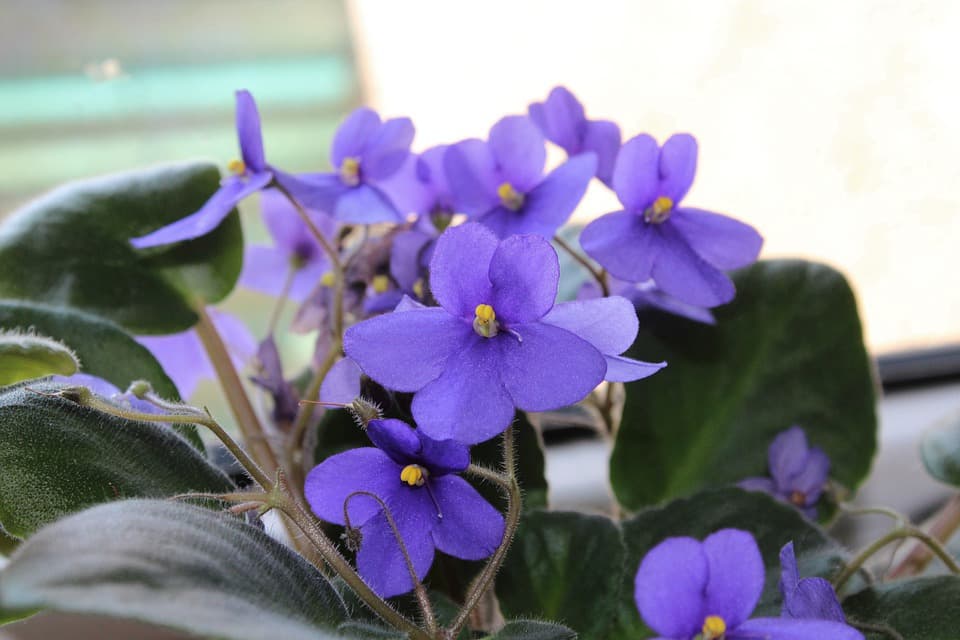 African violet (Saintpaulia spp.)
Small, velvety and happy to be admired up close. Give African violet bright indirect light, check moisture in the mix and avoid leaving the crown wet. No flowers? Review light and general care before adding more fertiliser. Safety source: ASPCA.
9.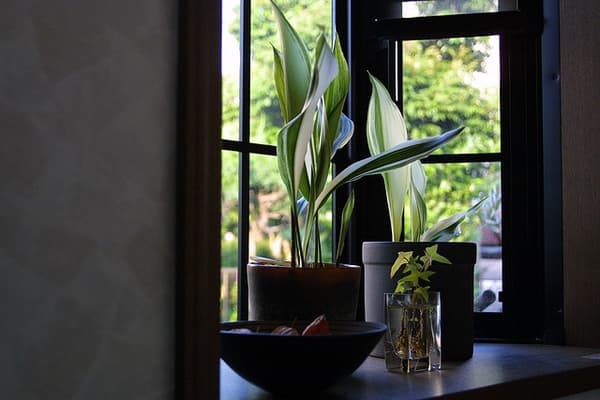 Cast iron plant (Aspidistra elatior)
The resilient, low-fuss character of the group tolerates filtered light and some shade. Check the mix before watering. Slow growth? First check how much light reaches it; a tolerant plant still needs light to grow. Safety source: ASPCA.
10.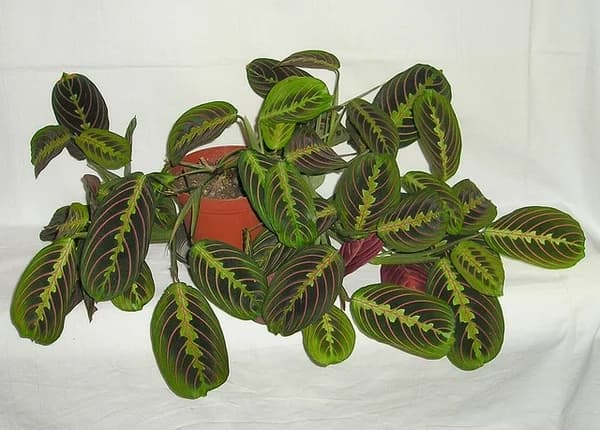 Maranta leuconeura
The leaf-folding performer suits filtered light and a consistently moist, draining mix. Curling or browned leaves? Check moisture and the room conditions before treating the leaf shape as a diagnosis. UF/IFAS Extension lists this exact species as non-toxic.
Before you buy
Ask for the scientific name if a shop label only says “prayer plant,” “palm” or “Peperomia.” Those names cover different plants, and a safety listing for one species does not automatically apply to every lookalike. Confirm the plant against a reliable source, especially when pets may chew it. Check the plant itself too: sprays, fertiliser and potting materials have separate risks.
The ASPCA advises that eating any plant material may cause vomiting or stomach upset. If your pet becomes unwell after chewing a plant, contact a veterinarian or animal poison service. Keep fertiliser, pesticides and potting materials out of reach too.
Use a care check, not a rigid calendar
Light, pot size and season change how quickly a mix dries. Use reminders to check the plant and pot, then record what you actually did. If several clues overlap, Plant Doctor in Premium can use the care history you have saved and a photo if you choose to suggest possible causes and next checks. Review those suggestions against what you see; it cannot confirm a pet safety question or replace a veterinarian.
Photo credits
The photos above are displayed as square crops. Calathea example by Daderot (CC0); spider plant by Joanne Kollar (CC BY 4.0); Boston fern by themozhi's pixel displays (CC BY 2.0); baby rubber plant by Jerzy Opiola (CC BY-SA 4.0); parlor palm by Cindy Christian (CC BY 4.0); polka dot plant by Cindy Christian (CC BY 4.0); Haworthia example by Abu Shawka (CC0); African violet by Anita Bozic (CC0); cast iron plant by rrei320 (CC BY 2.0); Maranta by Maja Dumat (CC BY 4.0). Licences: CC0, CC BY 2.0, CC BY 4.0 and CC BY-SA 4.0.
Sources for this guide
15 sources
- ASPCA: how to use the toxic and non-toxic plant list
- ASPCA: Calathea
- ASPCA: Spider Plant
- ASPCA: Boston Fern
- ASPCA: Baby Rubber Plant
- ASPCA: Polka Dot Plant
- ASPCA: Haworthia
- ASPCA: Cast Iron Plant
- ASPCA: Parlor Palm
- ASPCA: African Violet
- UF/IFAS Extension: Maranta leuconeura
- NC State Extension: Peacock Calathea
- NC State Extension: Boston Fern
- NC State Extension: Parlor Palm
- NC State Extension: Polka Dot Plant
Spotted something that needs correcting? Send a message.