Pothos Leaves Turning Yellow? Here is What to Check
Check the roots, light and recent changes before deciding what to do.
Quick questions
Should I cut off yellow pothos leaves?
You can snip off a fully yellow or dead leaf with clean scissors. Avoid pulling on the vine, and wear gloves because the sap can irritate skin. Removing a leaf does not fix the cause.
Does yellow always mean overwatering?
No. Check moisture below the surface first. Dry roots, harsh sun, cold, feeding problems and normal older-leaf loss can also be involved. Colour alone is not a diagnosis.
Should I repot as soon as a leaf turns yellow?
Not automatically. Inspect first. Repotting makes sense when roots are decaying, the mix drains poorly or the root ball is genuinely crowded. One yellow leaf is not enough evidence.
Is a yellow pothos leaf safe for my pet?
No. Pothos contains irritating calcium oxalate crystals, including in its leaves. Keep fallen leaves and cuttings out of reach. Contact a veterinarian promptly if your pet may have eaten any.
Start with the soil, then look at which leaves are changing. Yellowing alone cannot tell you whether a pothos needs more water or less.
Check before you change anything
Feel below the surface of the potting mix and lift the pot. Is it still heavy and damp, or noticeably light and dry? Empty any water trapped in the decorative outer pot. Then look for a pattern: one old leaf, several leaves at once, or damage mainly on the window-facing side.
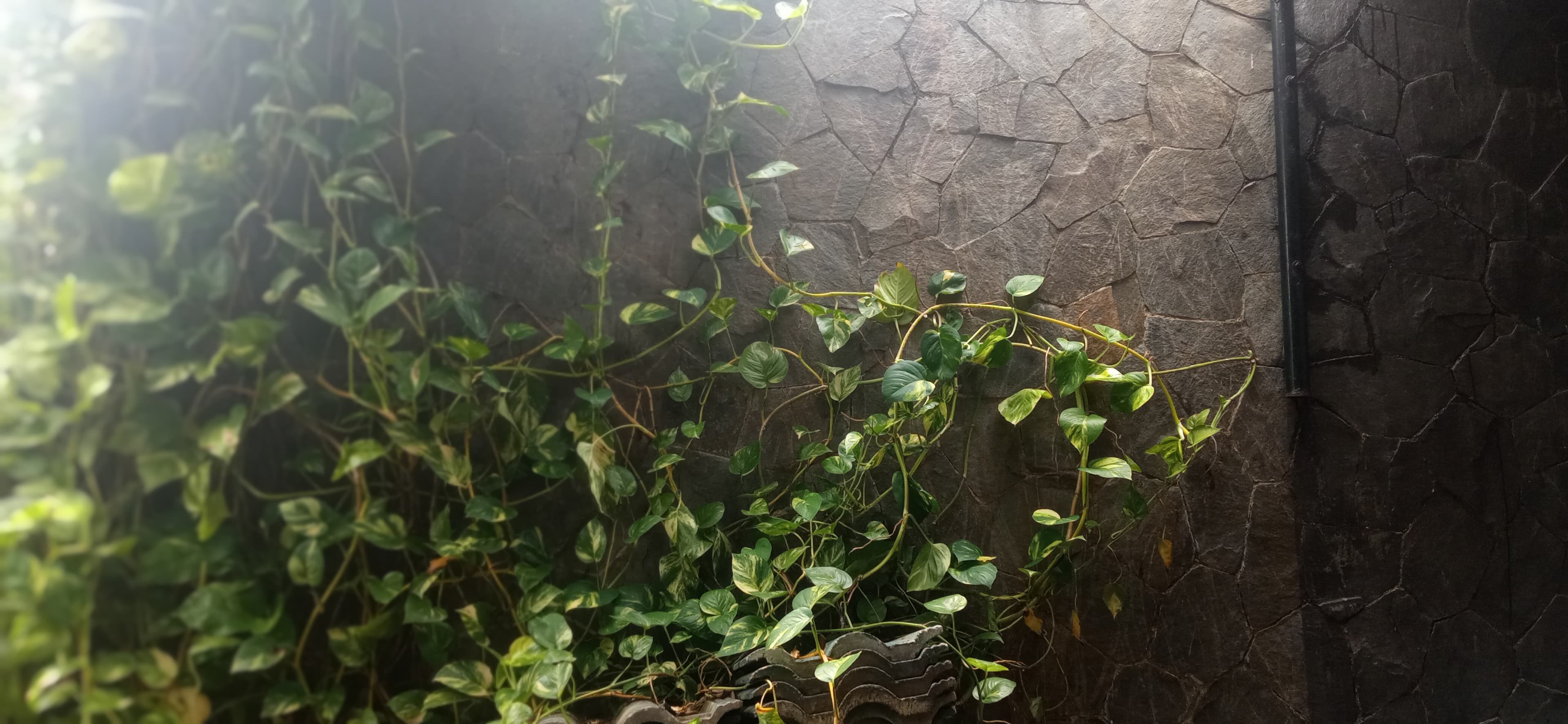
Golden pothos has yellow markings naturally, and Neon pothos has lime-coloured leaves. Compare with the plant's usual colour before treating it as a problem.
Wet soil and yellow leaves
Persistently wet potting mix can damage roots. A drooping plant in wet soil does not need another drink.
Pause watering and check that the inner pot drains freely. If yellowing continues, the stem base softens or the plant wilts despite damp soil, gently inspect the roots. Soft, decaying roots are more concerning than colour alone.
Remove dead roots with clean tools and repot into fresh, free-draining mix if rot is present. Choose a pot that fits the remaining roots, rather than a much larger one. Severe root damage may not be recoverable.
For the next watering, check that the upper layer has dried and the mix below is approaching dryness. Do not leave the whole root ball bone-dry as a treatment for overwatering.
Dry soil and a light pot
Underwatering can also cause yellowing and leaf loss. If the mix is dry below the surface and the pot feels light, water thoroughly and let the excess drain. Empty the saucer afterwards.
If water runs down the sides without wetting the root ball, check whether the mix has dried away from the pot. Water slowly so it can absorb moisture. A dry root ball and crowded roots can look similar; inspect before deciding to repot.
Light, temperature and feeding
Strong sun: Bleached or scorched patches on exposed leaves suggest checking the light. Move the plant out of harsh direct sun into bright, indirect light.
Cold or sudden changes: Check for a cold window, draught or a recent move. Keep conditions stable rather than changing everything at once.
Fertilizer buildup: Recent heavy feeding, a crust on the mix and browned tips are clues to investigate salts. Stop adding fertilizer while checking the cause. A yellow leaf is not proof that the plant needs feeding.
Pests: Look beneath leaves and along stems for cottony clusters or raised scale insects. Keep an affected plant apart from others while identifying the pest.
One older leaf, or a spreading problem?
An occasional older leaf near the base of a vine may yellow as the plant grows. If the rest looks healthy, check normal care before making a major change. Several leaves changing quickly, soft stems or continuing wilt deserve closer attention.
Take a photo and note what you changed. Judge progress by whether further yellowing slows and healthy growth continues, rather than expecting a damaged leaf to recover on a deadline.
Keep everyday care separate
For light, potting, feeding and propagation, use the Pothos care guide. For a closer comparison of wet and dry symptoms, see Overwatering vs underwatering.
Spotted something that needs correcting? Send a message.