Tree Philodendron Care: A Guide to Selloum
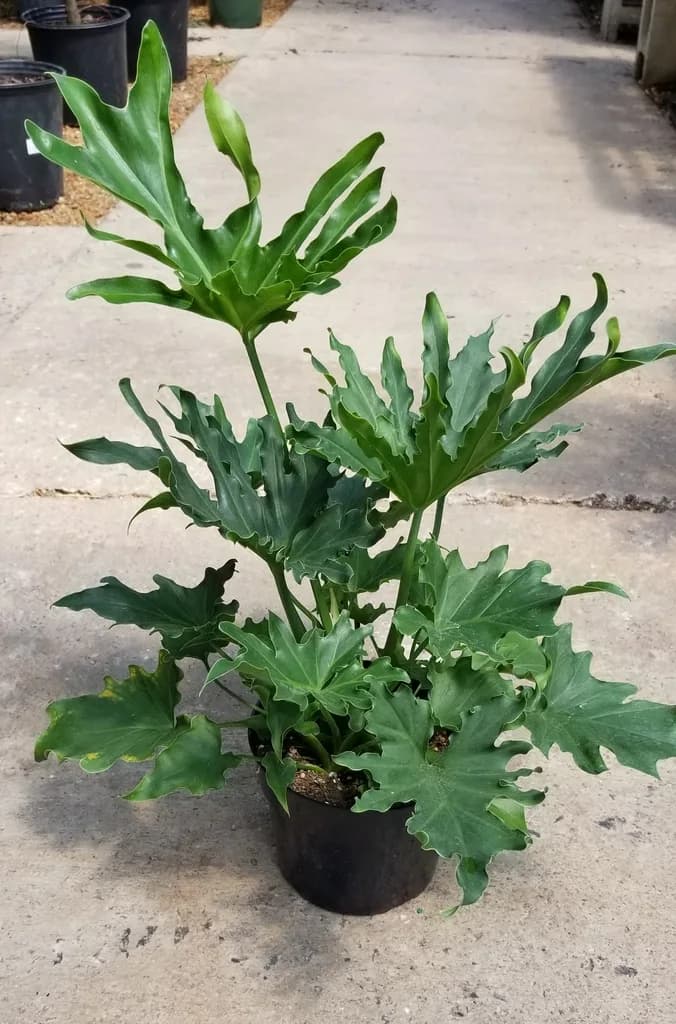
Big, deeply cut leaves and room to spread: this plant likes a generous corner.
Quick questions
Is Selloum still a Philodendron?
It is commonly sold as tree philodendron or Philodendron selloum, but the accepted name is Thaumatophyllum bipinnatifidum.
Does Selloum need a moss pole?
No. It has a self-supporting, spreading habit rather than the climbing habit of many philodendrons.
How often should I water?
Check the potting mix. Water when its upper layer begins to dry, allowing the pot to drain fully.
Why is my Selloum drooping?
Check the mix and roots before acting. Both a very dry pot and soggy, unhealthy roots can lead to drooping.
Is tree philodendron pet safe?
No. The ASPCA lists it as toxic to cats and dogs because it contains insoluble calcium oxalate crystals.
Tree philodendron, often sold as Selloum, is now usually called Thaumatophyllum bipinnatifidum. You may still see Philodendron bipinnatifidum or P. selloum on a label. Its broad, deeply lobed leaves and thickening stem set it apart from climbing philodendrons: give this one floor space, not a moss pole.
Find the right place
Place it in bright, filtered light with room for leaves to spread. A little gentle sun may be fine once the plant is accustomed to it, but intense light through glass can scorch foliage. Turn the pot occasionally if growth leans toward the window. This plant becomes substantial, so check the space before choosing a permanent spot.
Water after checking the mix
Use a sturdy container with drainage and a potting mix that lets water pass through. Water when the upper layer has begun to dry, then let excess water escape. A large pot can stay damp long after its surface looks dry, so check deeper before watering again. Drooping can follow both dryness and damaged, overwatered roots; feel the mix before deciding which it is.
Keep the leaves healthy
Wipe dust from the lobed leaves with a soft damp cloth. Remove only leaves that are fully spent or damaged. Repot when roots crowd the container or water stops moving through the mix normally, choosing a modest increase in pot size. See how to repot a houseplant before lifting a mature specimen.
Selloum contains calcium oxalate crystals and is toxic to cats and dogs if chewed. Choose a location they cannot access.
Sources for this guide
2 sources
Spotted something that needs correcting? Send a message.