Kentia Palm Care Guide - Light, Water, Soil & Expert Tips
The ultimate indoor palm - elegant, composed, and incredibly tolerant.
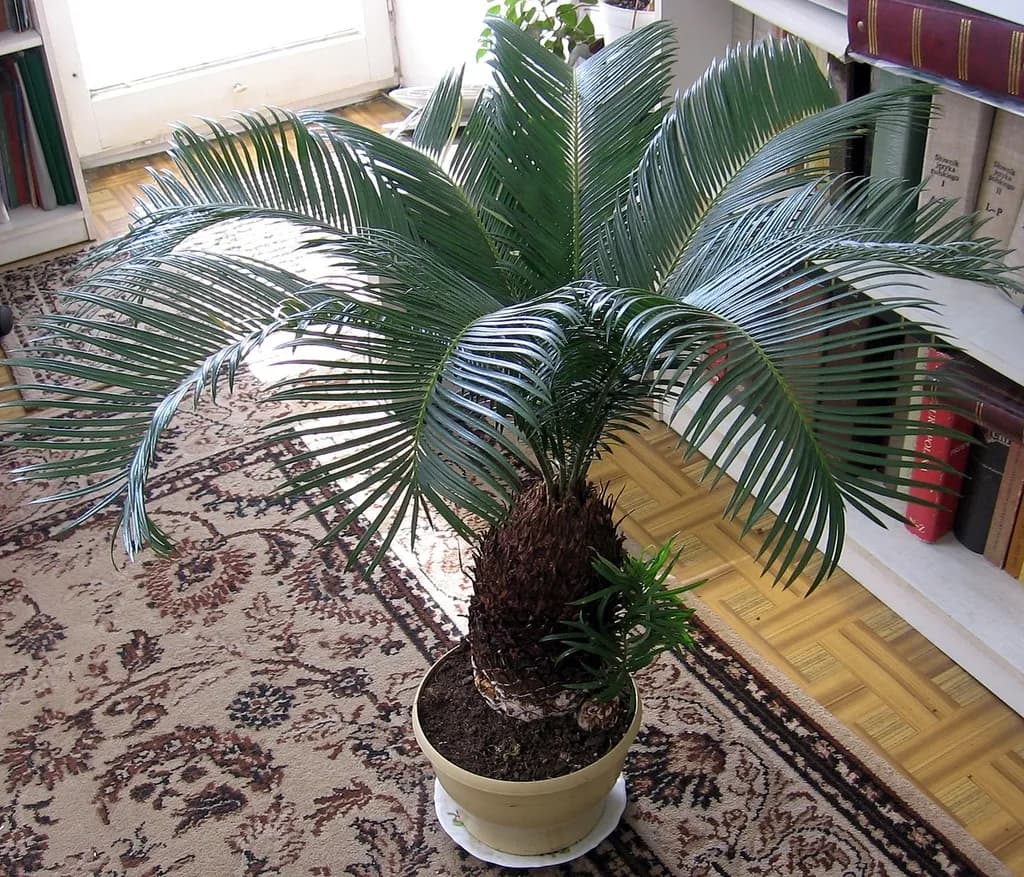
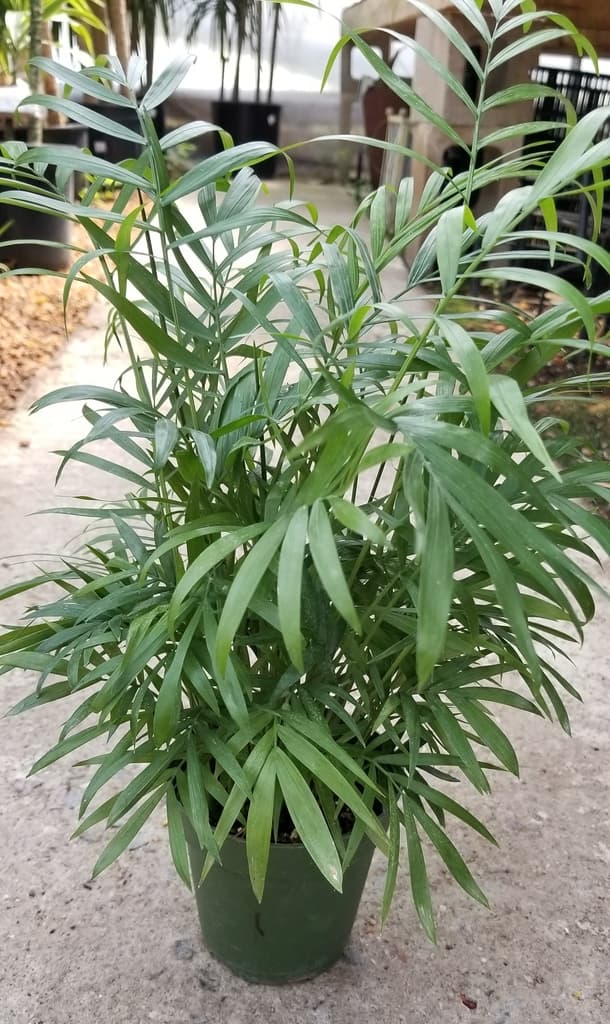
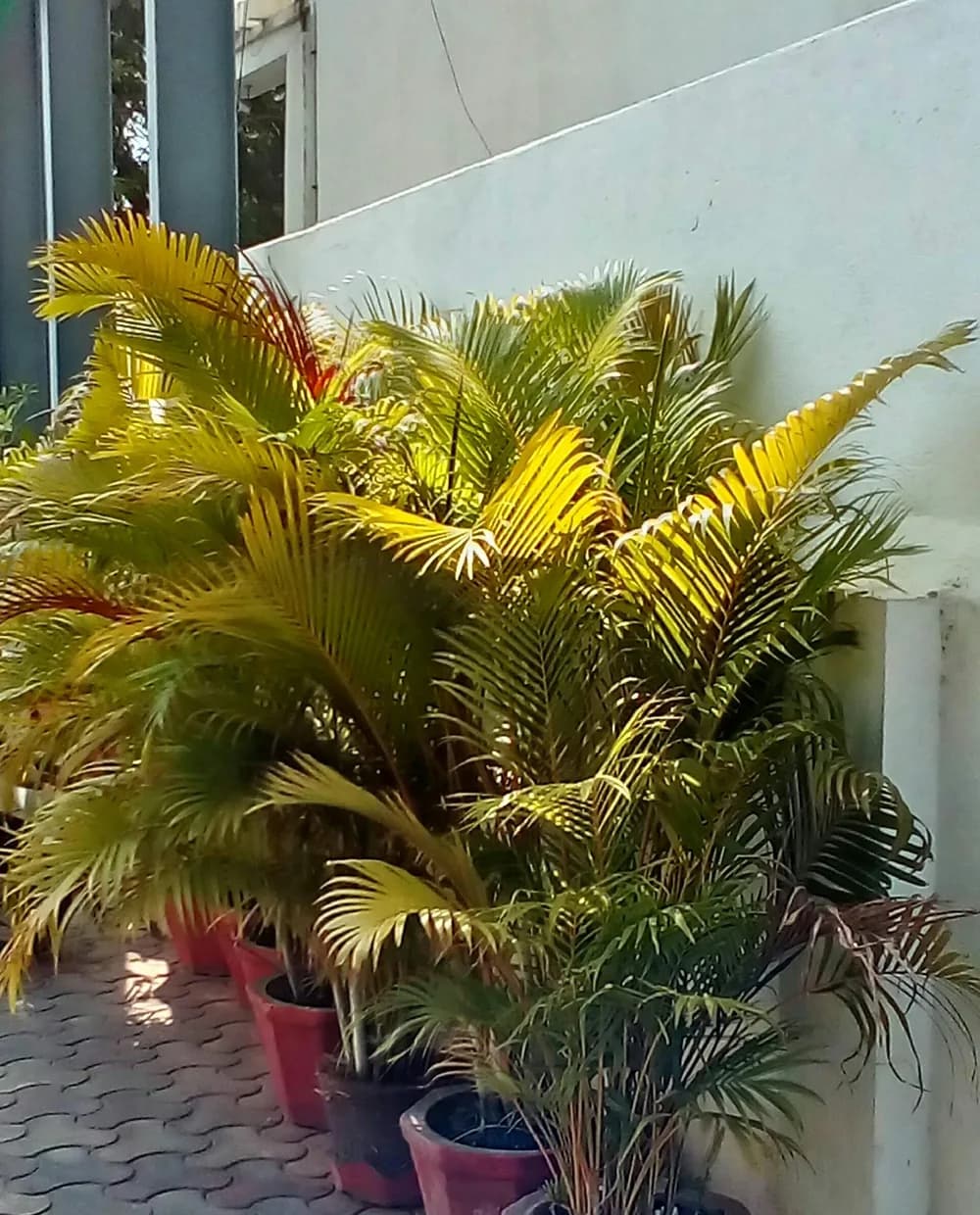
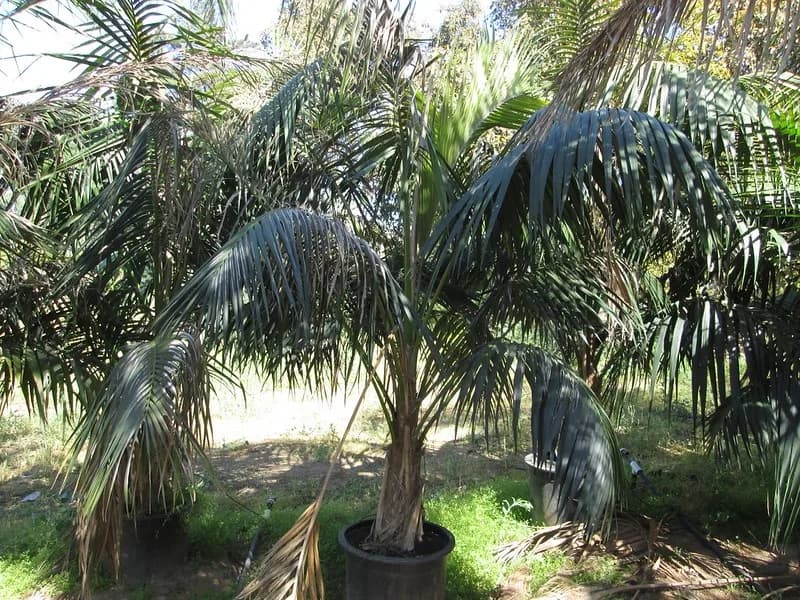
The Kentia Palm is the classic indoor palm - the one you see in luxury hotels, upscale restaurants, and elegant living rooms around the world. Howea forsteriana has earned its Zen reputation through decades of quiet, graceful growth in conditions that would challenge most palms. Native to Lord Howe Island off Australia, it is as beautiful as it is forgiving.
This kentia palm care guide will show you why professionals and beginners alike trust the Kentia as their go-to indoor palm. It is non-toxic and remarkably easy to care for.
Light
Kentia Palms are famous for their tolerance of low light conditions. While they grow fastest in bright indirect light, they adapt remarkably well to medium and even low light environments. This makes them ideal for hallways, offices, and rooms with north-facing windows. Avoid direct sunlight, which can scorch the elegant fronds.
Watering
Water every 10 to 16 days, allowing the top layer of soil to dry slightly between waterings. Kentia Palms are not heavy drinkers and prefer a moderate, consistent approach. Overwatering leads to root problems, so err on the side of underwatering. In winter, reduce frequency. The plant communicates thirst through slightly drooping fronds that recover quickly after watering.
Humidity
Standard humidity of 40 to 60 percent is fine. The Kentia Palm is more tolerant of typical indoor humidity than most palms. It does not require misting or special humidity measures, though a little extra moisture during dry winters is appreciated.
Soil & Potting
Use a standard, well-draining potting mix. The Kentia Palm is happy being rootbound and is such a slow grower that it rarely needs repotting. When you do repot, handle the roots with care - they are sensitive to disturbance. Choose a pot that is only slightly larger than the current one.
Common Problems
Brown frond tips: The most common complaint, usually caused by dry air, fluoride in tap water, or inconsistent watering. Try filtered water and increase humidity slightly.
Yellowing lower fronds: Some yellowing of the oldest fronds is natural aging. However, widespread yellowing may indicate overwatering or poor drainage.
Slow growth: This is normal. Kentia Palms are naturally very slow growers. Enjoy the steadiness rather than expecting rapid change.
Scale insects: Occasionally appears on Kentia fronds. Treat with neem oil or insecticidal soap and improve air circulation.
Quick Reference
| Need | Details |
|---|---|
| Light | Low to bright indirect |
| Water | Every 10-16 days, slight dry between |
| Humidity | 40-60% |
| Soil | Standard well-draining mix |
| Toxicity | Non-toxic (pet-safe) |
| Difficulty | Beginner |
Why the Kentia Palm Belongs in Your Collection
The Kentia Palm has been the gold standard of indoor palms for over a century, and this kentia palm care guide shows why: it is elegant, tolerant, and virtually effortless. If you want a palm that looks stunning in a dim corner, does not mind if you forget to water it for a few extra days, and will grow with you for years, the Kentia is the one. There is a reason professionals keep choosing it - it just works.
Care reference
Need the full care profile for Kentia Palm?
Check the encyclopedia for light, watering, soil, pet safety, and pot guidance - then use LeafLovers to fit it to your plant and home.
Free weekly plant care tips
Get personalised tips delivered to your inbox. No app needed, no spam, unsubscribe anytime.
No credit card. No tricks. No strings. Just plants.