Areca Palm Care Guide - Light, Water, Soil & Expert Tips
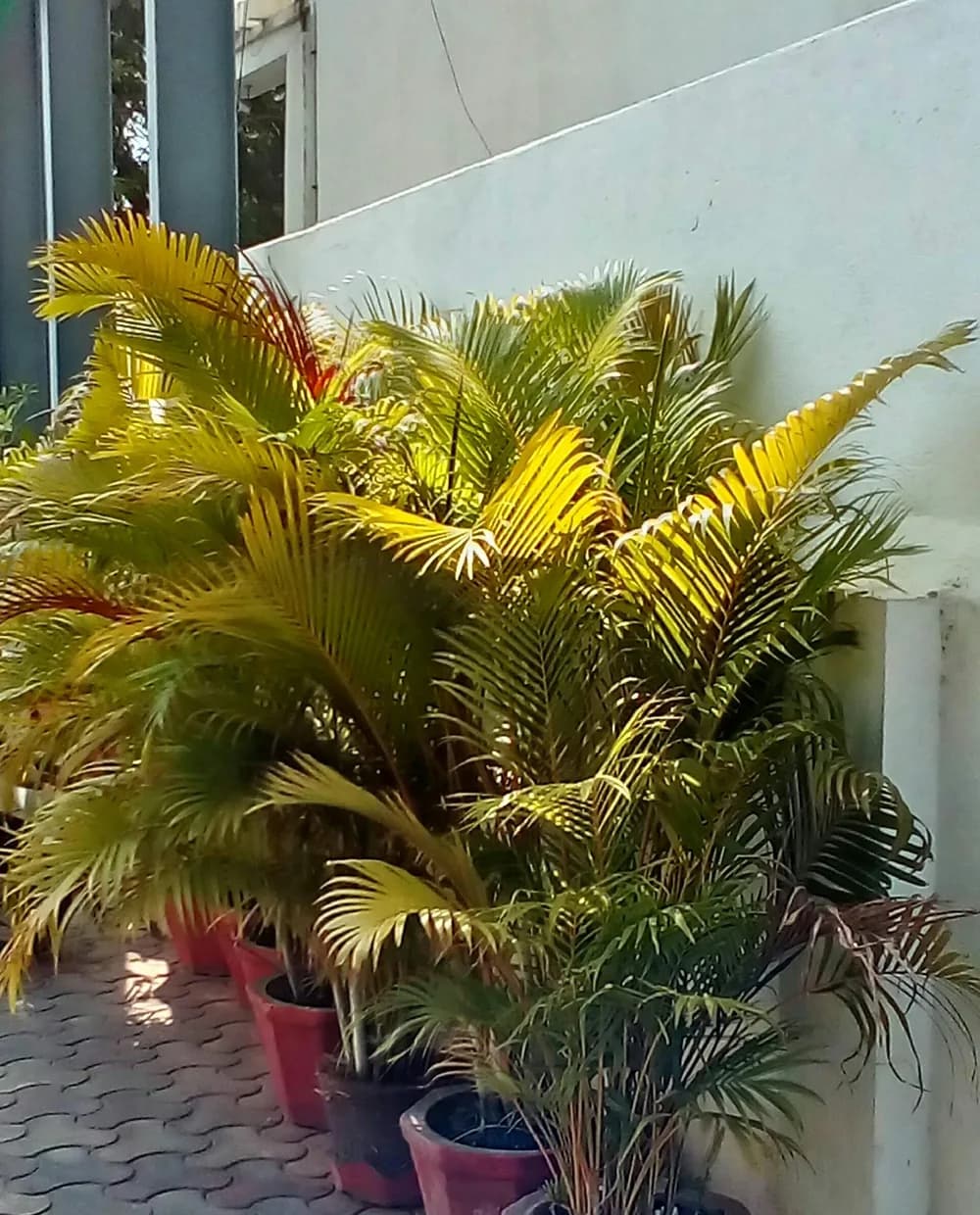
A clumping palm with arching fronds and golden-green stems.
Quick questions
How much light does areca palm need indoors?
Start with a bright place out of harsh direct sun. Watch new fronds and move the palm gradually if light conditions change.
When should I water Dypsis lutescens?
Check below the surface. Water when the upper mix begins to dry, then let excess drain. Change the checking interval with the season and room conditions.
Why do areca palm tips turn brown?
Dry air, inconsistent watering, salt buildup or root stress can contribute. Check the pot and surrounding conditions before choosing one fix.
Is areca palm safe for cats and dogs?
ASPCA lists Dypsis lutescens as non-toxic to cats and dogs. Confirm the botanical name, discourage chewing and ask a veterinarian if a pet becomes unwell.
Does areca palm purify room air?
A potted plant should not be relied on to clean indoor air. Use ventilation or an appropriate air purifier for that job.
What other name does this palm use?
Dypsis lutescens is also listed as Chrysalidocarpus lutescens and is often called butterfly palm. Check the botanical name because common names overlap.
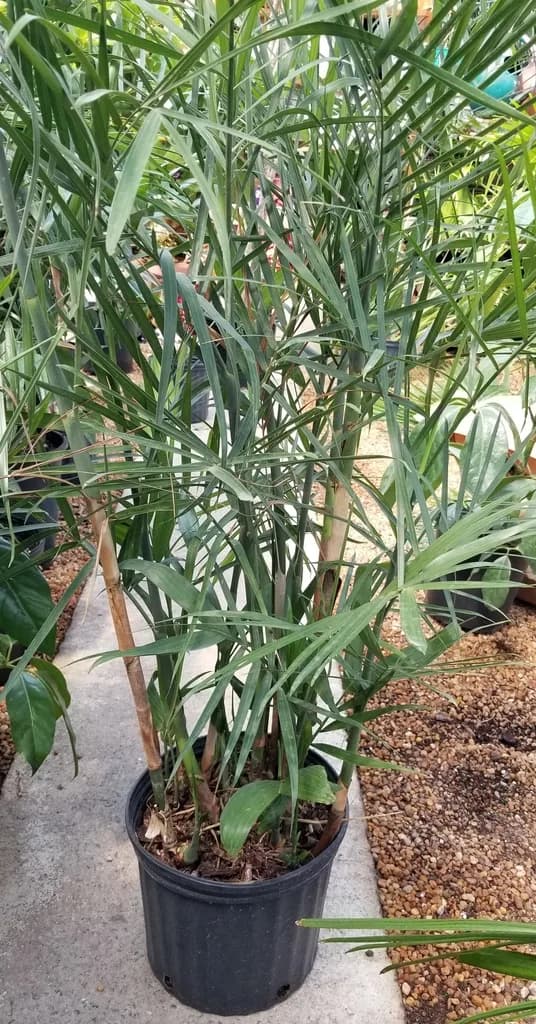
Areca palm, Dypsis lutescens (also listed as Chrysalidocarpus lutescens), is a clumping palm with arching, divided fronds. The name areca palm is sometimes used for unrelated palms, so check the botanical label. This guide covers D. lutescens.
Light and position
Choose a bright indoor place with indirect light. Keep the palm away from cold drafts and abrupt moves between very different light levels. A warm room and some humidity suit it better than a dark, dry corner.
Water by checking the pot
During active growth, keep the mix lightly moist but never waterlogged. Check below the surface; water when the upper mix begins to dry, then let excess drain. Reduce the checking frequency when growth slows. Pot size, light and room temperature matter more than a fixed day count.
Pot, humidity and growth
Use a well-drained potting mix in a container with drainage holes. The palm grows in a clump rather than as a single trunk. Repot when roots need more room, moving up modestly in size. If air is very dry, consider a humidifier; avoid assuming humidity is the only cause of brown tips.
If fronds change colour
Yellowing: Compare older and newer fronds, check the root zone and inspect for pests. Yellowing has several possible causes, including prolonged wetness.
Brown tips: Look at watering consistency, drainage, dry air and salt buildup before changing several things at once.
Speckling or sticky patches: Inspect for scale, whiteflies and spider mites. Isolate a plant with a suspected infestation.
Pets and realistic expectations
ASPCA lists Dypsis lutescens as non-toxic to cats and dogs. That is specific to this species; confirm the plant label. Prevent chewing anyway, and ask a veterinarian if a pet becomes unwell. NC State also notes that the palm's terminal bud is not edible.
A houseplant is lovely to live with, but a pot of areca palm is not a substitute for ventilation or an air purifier. Keep a short LeafLovers record of moisture checks and new frond growth so the care plan follows the actual room.
Spotted something that needs correcting? Send a message.