Bamboo Palm Care Guide - Light, Water, Soil & Expert Tips
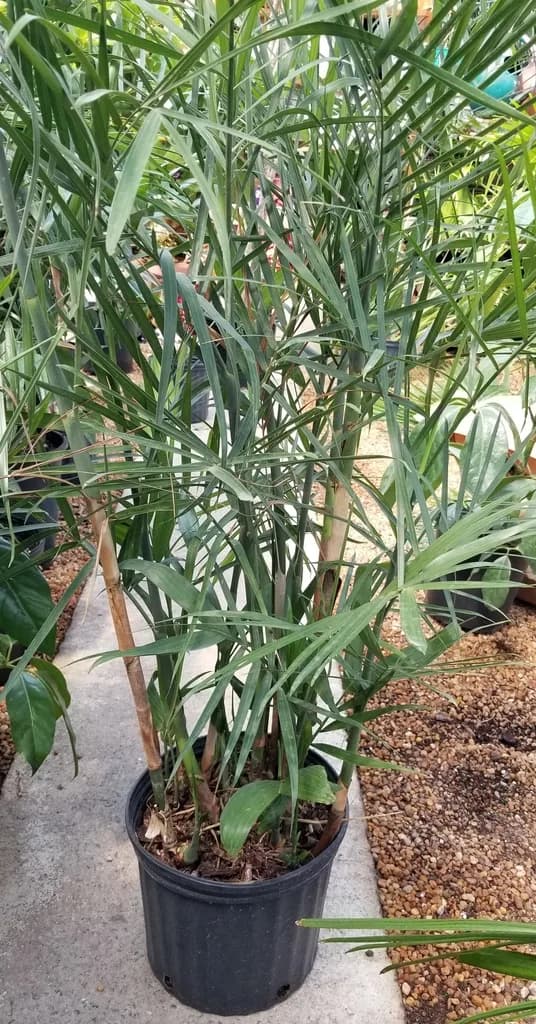
A clumping indoor palm with slender, cane-like stems.
Quick questions
Which species does this bamboo palm guide cover?
It covers Chamaedorea seifrizii, the clumping palm with narrow, cane-like stems. Bamboo palm is also used for other species, so check the botanical label.
Can bamboo palm grow in low light?
Chamaedorea seifrizii can survive in lower light, but medium indirect light is a better starting point for steady growth.
When should I water bamboo palm?
Check below the surface. Water when the upper mix begins to dry, then let excess drain. Change the checking interval with the season and room conditions.
Why are the fronds turning yellow?
Check whether the yellowing is confined to an older frond or spreading to new growth. Inspect soil moisture, drainage, roots and pests before deciding what to change.
Is Chamaedorea seifrizii safe for pets?
Do not assume a common-name pet-safety listing applies to this species. NC State notes that its fruit flesh can irritate skin. Prevent chewing and ask a veterinarian if ingestion causes symptoms.
Why does it produce new stems from the base?
That is the normal clumping habit of Chamaedorea seifrizii. New canes arise from the base as the plant expands.
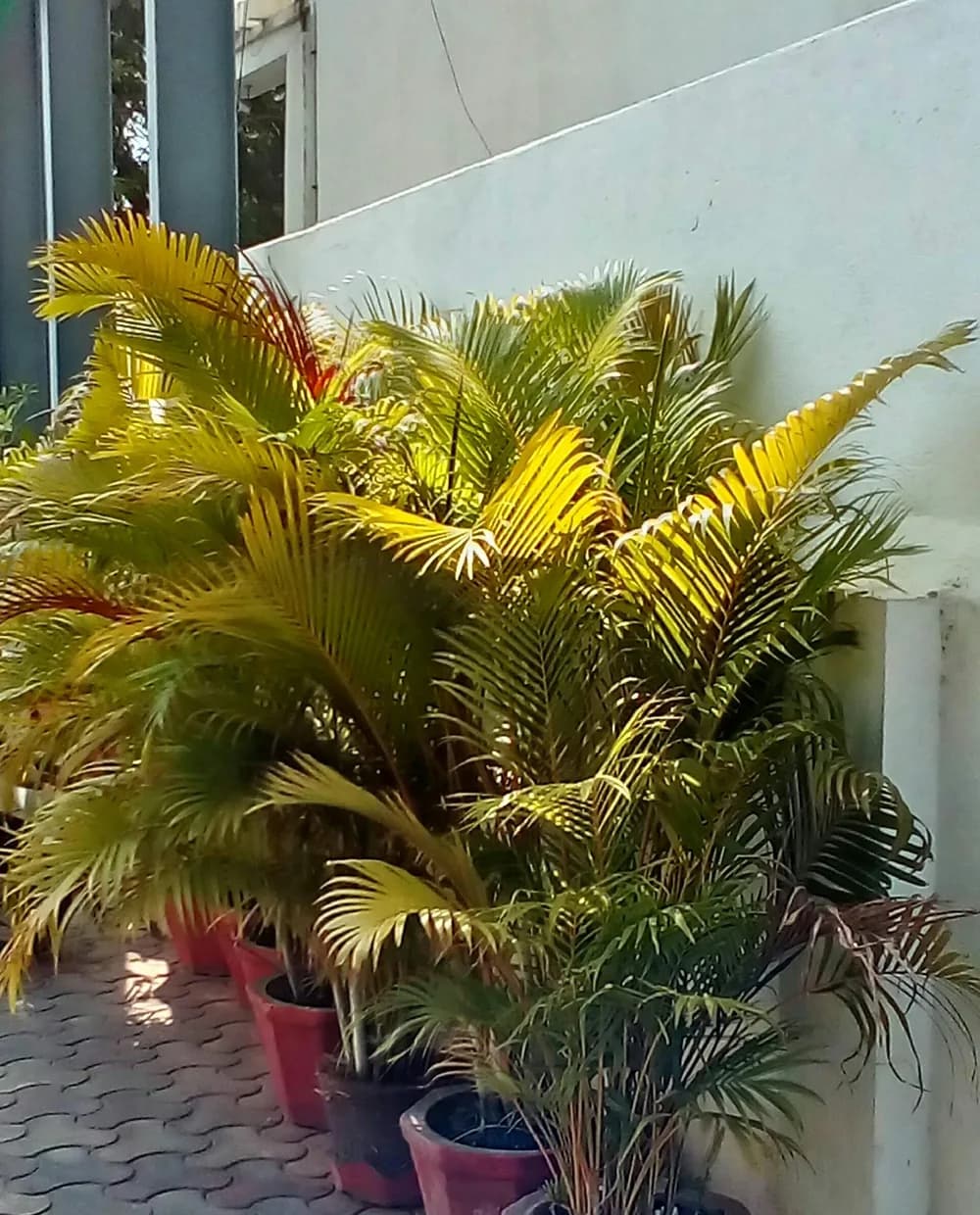
Bamboo palm, Chamaedorea seifrizii, grows in clumps of narrow, cane-like stems. The common name is shared by other palms, so check the botanical name before following a care or pet-safety claim. This guide is for C. seifrizii.
Light and position
Choose medium to bright indirect light. This palm can survive in a lower-light room, but growth is usually slower there. Keep it away from harsh direct sun and cold drafts.
Water by checking the pot
Aim for a slightly moist, draining mix during active growth, not soggy roots. Check below the surface; when the upper mix begins to dry, water thoroughly and empty the saucer. Check less often when growth slows in winter. A fixed number of days will miss changes in light, room temperature and pot size.
Pot, humidity and growth
Use a container with drainage holes and a well-draining indoor mix. The palm forms new stems from its base and expands gradually. Give the fronds room and avoid repeatedly moving the plant between very different light conditions. If indoor air is very dry, a humidifier can help, but first check pot moisture and pests before blaming humidity for brown tips.
If something looks wrong
Yellowing fronds: Compare older and newer growth, then check the mix and drainage. Prolonged wetness can lead to root or stem rot; a single yellow frond does not prove the cause.
Speckling or sticky fronds: Inspect both sides for scale, mealybugs and spider mites. Isolate an affected plant before choosing a treatment.
Slow new growth: New canes emerge gradually. Check light and roots before adding fertiliser or watering more.
Fruit and household safety
NC State notes that the flesh of this species' fruit can irritate sensitive skin. Avoid handling or eating the fruit, and prevent pets and children from chewing plant parts. If a pet eats any part and develops symptoms, ask a veterinarian. Do not rely on a pet-safety listing for a different palm with the same common name.
Record a quick moisture check and any changes in new fronds in LeafLovers. This helps you adjust care to the plant you actually have.
Sources for this guide
2 sources
Spotted something that needs correcting? Send a message.