Bacopa Caroliniana Care: Submerged and Emersed Conditions
Use source-supported submerged care and keep emersed claims within the available evidence.
At a glance
Pets & children
Safety is a separate check
Care references do not establish ingestion safety. Keep clippings out of reach; aquarium-animal compatibility needs its own check.
Light
Light the full stem group
Give submerged stems useful aquarium light and watch whether lower leaves are shaded. Emersed light and submerged light are not interchangeable instructions.
Water & environment
Record the growing mode
Fully submerged stems belong to aquarium care. Above-water stems need a moist pond-edge root zone; a paludarium is not a dry-soil terrarium.
Stem growth
Trim tops, then reassess
Submerged stems can be trimmed when they shade the group or reach beyond the layout. Replant sound tops only where there is room and light.
Safety notes
- Pets:
- Pet ingestion safety is not established by the care references linked here. Keep plants and clippings away from chewing pets.
Source: Scope of the linked horticultural references; no veterinary safety conclusion.
- People:
- This guide does not establish that the plant is edible or safe for children to chew. Keep it out of mouths.
Source: Scope of the linked care references; no human ingestion assessment.
- Handling (skin/sap):
- Wash hands after tank care. Wear gloves for maintenance, especially with cuts.
Source: CDC: Fish, Healthy Pets Healthy People
Looking for plants listed as non-toxic to cats and dogs? See our pet-safe houseplants.
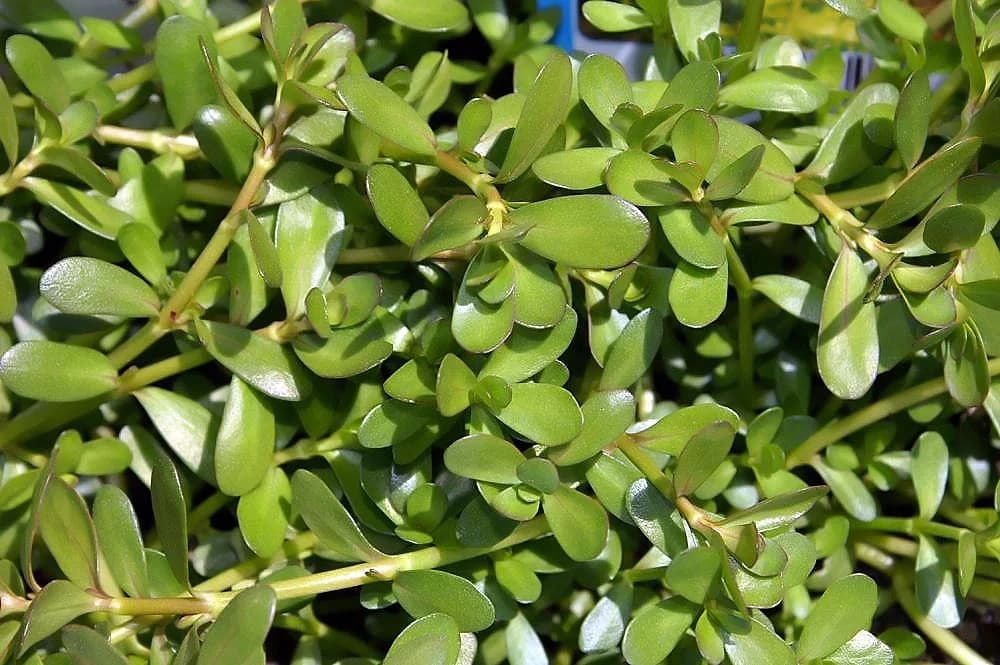
Bacopa caroliniana is the adventurer with a foot in two worlds. Tropica treats it as an aquarium stem plant, while UF/IFAS identifies emersed growth. NC State also describes it growing fully submerged or at pond and bog edges. Name the growing mode first: underwater stems and a planted waterside bank need different checks.
Start every care record by naming the mode: fully submerged in an aquarium, or growing above water in an emersed setup. Then keep advice tied to that mode.
Read the stem in its actual habitat
A leaf formed underwater may not look or behave like one formed in air. Avoid diagnosing from a photograph without checking the growing mode.
| What you notice | Check first | A useful next step |
|---|---|---|
| Lower submerged leaves declining | Are upper stems shading the base? Did aquarium conditions change? | Thin or trim crowded stems and review the tank before adding a nutrient product. |
| Long gaps between submerged leaves | Does useful aquarium light reach the whole group? | Review placement and neighbouring shade; judge later growth after one change. |
| Stem base loosening | Is it planted securely without being crushed? | Replant sound stems gently with enough spacing for light and maintenance. |
| Emersed growth wilting | Did humidity, root moisture or air movement change? | Restore the verified setup conditions you know; do not use underwater dosing as a rescue. |
| Different leaf form after a transition | Which leaves formed in which environment? | Photograph and label the change; do not expect old leaves to transform in place. |
Give submerged stems light from top to base
Plant sound aquarium stems with enough space for light and flow to reach lower leaves. A tight bunch may look full on day one while creating shade and maintenance difficulty at the base.
Use steady aquarium light and watch the next growth. Stronger light also changes algae pressure and nutrient demand, so do not raise intensity solely because one lower leaf is pale.
As stems reach the surface or shade one another, trim for the layout. A clean top cutting can be replanted if it is healthy and there is room. Remove a failing base rather than hiding it beneath a thicker bunch.
Keep aquarium care submerged
For submerged Bacopa, maintain water and fertiliser as part of the aquarium plan. Follow product labels and consider the tank's animals and other plants. Do not create a plant-only water-change schedule or diagnose a specific deficiency from leaf colour alone.
Note major changes such as new lighting, fertiliser, equipment, planting position or a large trim. Compare later growth rather than expecting old damaged leaves to recover.
Before adding a purchased plant, ask about treatment history and follow the introduction practice appropriate to your livestock. A pet-safety answer would not establish suitability for shrimp, fish or snails.
Give the paludarium adventurer a moist shoreline
Emersed means growing above water. For a planted bank, keep the roots in moist substrate modelled on a pond or bog edge; check the root zone rather than copying the submerged setup. This is not a dry-soil terrarium plant. Check moisture where the roots actually sit, including spots beyond the reach of a waterfall or mist nozzle.
NC State recommends bright light indoors. Keep the stems in an accessible position where you can inspect the base as well as the tips. Above water, Bacopa can produce small blue flowers; an underwater planting is not a promise of a flowering display.
For a new paludarium, buying growth already adapted to emersed conditions avoids making the first day a conversion experiment. Ask the grower how the plant was raised. There is no universal transition timetable in the references, so observe new growth rather than promising a deadline.
Trim according to the mode
Use clean tools. For submerged stems, cut where the stand needs height or density control and replant only sound tops. Bacopa also roots from stem cuttings; keep their growing mode and root-zone moisture consistent with the planting you are extending.
Keep removed plant material away from pets and dispose of it so it cannot reach waterways. Keep aquarium and terrarium trimmings contained rather than releasing them into a pond or stream.
Looking for a terrestrial terrarium planting instead? Compare Pilea involucrata and its drained root zone; a humid enclosure does not make every plant aquatic.
When the clues overlap
Write submerged or emersed at the top of the note. Then check what changed within that environment. A symptom list without the habitat can send you towards the wrong light, moisture or fertiliser response.
Plant Doctor can help organise the growing mode, a photo and saved care notes into possible next checks. Review suggestions against the conditions you observe; they are not a guaranteed diagnosis.
About the checks: the symptom table and recording suggestions are practical starting points, not a diagnosis or fixed care schedule. Botanical care references are linked below.
Quick questions
Can Bacopa caroliniana grow submerged and emersed?
Yes. Tropica describes aquarium use, while NC State and UF/IFAS support above-water growth around wet habitats. Record the mode so moisture and light advice makes sense.
Can I move it straight from underwater into a dry terrarium?
A dry terrarium is a poor match for this wetland plant. For a paludarium, start with grower-confirmed emersed material when possible and maintain a moist root zone.
Why are the lower leaves declining?
Check whether upper stems shade them, whether the base receives useful flow and light, and whether conditions changed. Lower-leaf loss alone does not identify a nutrient deficiency.
How should I trim submerged Bacopa?
Use clean tools to cut sound stems where the group needs height control. Replant healthy tops with space between them and remove failing lower material without stripping the whole stand.
Will Bacopa flower in a paludarium?
Above-water growth can produce small blue flowers. Their appearance is not guaranteed, and a submerged aquarium display is a different growing mode.
Is Bacopa caroliniana safe for pets or aquarium livestock?
The linked care references do not establish either. Veterinary toxicity and livestock compatibility need separate evidence, and plant treatment history matters too.
Spotted something that needs correcting? Send a message.