Pilea Involucrata Care: Humidity, Moisture and Pinching
Pair high humidity with moist, well-drained compost in a terrarium or bottle garden.
At a glance
Pets & children
Listed non-toxic to cats and dogs
ASPCA lists Pilea involucrata as non-toxic to cats and dogs. This is not an edible-plant or child-safety assessment.
Light
Filtered light protects texture
Give the foliage useful light without strong sun through terrarium glass. Turn or trim the planting if one side shades the other.
Water & environment
Humid air, drained roots
Keep compost moist but well drained. Check the root zone before watering and do not confuse high humidity with permanently saturated soil.
Shape & sharing
Pinch, then pass a cutting
Pinching healthy tips encourages bushiness. Stem cuttings let you start another friendship plant without crowding this terrarium.
Safety notes
- Pets:
- ASPCA lists Pilea involucrata as non-toxic to cats and dogs. Confirm the botanical identity and discourage chewing.
Source: ASPCA: Panamiga (Pilea involucrata)
- People:
- This guide does not establish that the plant is edible or safe for children to chew. Keep it out of mouths.
Source: Scope of the linked care references; no human ingestion assessment.
- Handling (skin/sap):
- Wash hands after gardening; gloves are a practical precaution when working with compost.
Source: Practical handling advice, not a species-specific toxicity claim.
Looking for plants listed as non-toxic to cats and dogs? See our pet-safe houseplants.
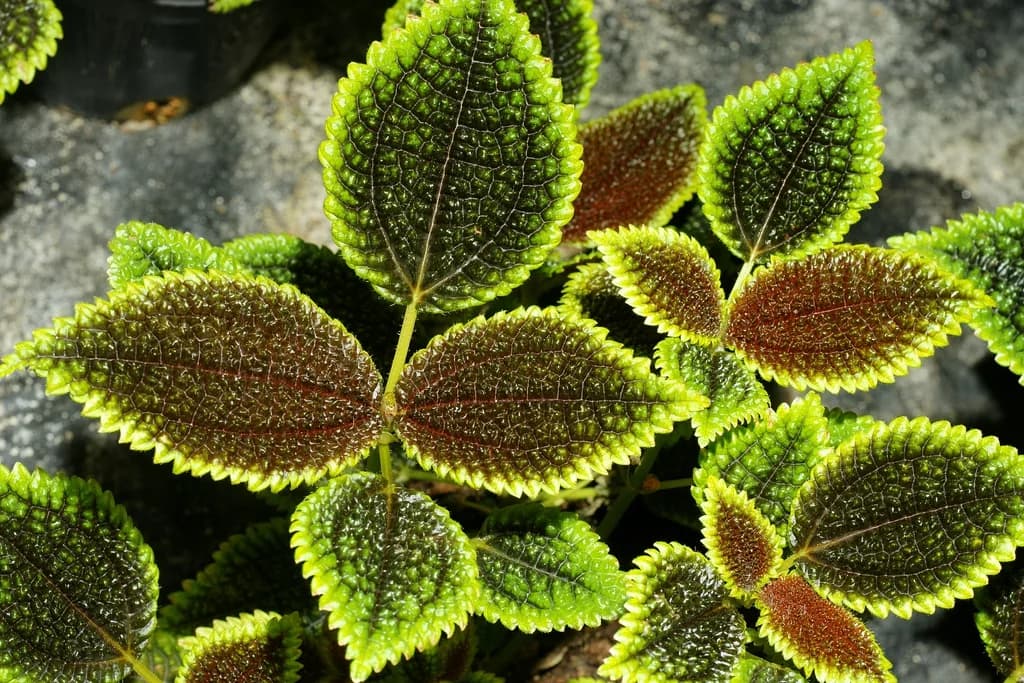
Pilea involucrata, or friendship plant, is the cheerful texture specialist: bronze-and-green leaves that make a small terrarium feel detailed before you have added anything else. The RHS lists it for terrariums and bottle gardens. Give it humid air, moist but well-drained compost and filtered light rather than submerged roots.
Keep the botanical name with the plant. Names such as friendship plant and Moon Valley are used inconsistently in trade. Ask for the botanical name rather than identifying a plant from a nickname alone.
Read new leaves before reshaping the routine
Textured leaves can make small marks look dramatic. Check the compost and enclosure before treating one edge as a diagnosis.
| What you notice | Check first | A useful next step |
|---|---|---|
| Brown or crisp leaf edges | Is the root zone dry? Is strong light or hot glass reaching the plant? | Correct the condition you find and watch the next leaves. |
| Soft yellowing with wet compost | Is drainage working? Does condensation stay heavy? | Pause watering, remove standing water and inspect the roots if decline continues. |
| Long, leaning stems | Is useful filtered light reaching all sides? | Improve the position and pinch later growth if shape still needs help. |
| Leaves pressed against wet glass | Has the plant outgrown its air space? | Trim or reposition growth and improve appropriate ventilation. |
| Faded or scorched patches | Did exposure become stronger? | Move out of harsh light; damaged patches will not recover. |
Root it in compost, not aquarium water
Use moist, well-drained compost in a container or planted terrarium layer that allows excess water to move away from roots. A decorative drainage layer does not make endlessly saturated compost safe.
Plant at the same depth and keep stems above the surface. Press the medium gently around roots without compacting it heavily. This is a terrestrial plant in the linked care reference, not a waterline or submerged aquarium plant.
Check moisture below the surface before adding water. In a closed bottle garden, very little may leave the system; in an open terrarium, the compost may dry sooner. The enclosure should set the checking rhythm, not a fixed weekday.
Give textured leaves filtered light
Choose useful filtered light and protect the plant from strong direct sun through glass. Check both light and heat: an enclosure can warm quickly even when the room feels comfortable.
If stems stretch or lean, first check whether the whole plant receives light. Turn a portable container if appropriate, or trim a neighbour that casts deep shade. Do not jump from shade to harsh sun.
Existing stretched growth will not shorten. Judge the spacing and colour of later leaves after the position improves.
Pair humidity with drainage and air
Humid air suits this terrarium candidate, but high humidity is not a reason to leave roots in stagnant wet compost. Inspect the medium, smell for sour decay and remove dead leaves that can stay trapped beneath the canopy.
In a closed enclosure, persistent heavy condensation, soft growth or mould calls for a check of saturation and ventilation. In an open enclosure, watch for drying near fans, heaters and air-conditioning.
Avoid repeatedly misting already wet leaves as a substitute for checking roots. Add water to the growing medium only when the actual moisture check supports it.
Pinch for room, not perfection
Pinch or trim healthy stem tips with clean tools when the plant becomes leggy, crowds the glass or shades a neighbour. Leave enough foliage on a small plant to support recovery.
Stem cuttings are a supported propagation method. Take healthy stem material when you want another plant; a loose leaf is not the same starting point. Friendship is optional. Sharing cuttings is very much on brand.
Keep removed material away from pets and children. Clean up decaying leaves from the terrarium rather than leaving them hidden under the plant.
Planning a lower-growing neighbour? Read the Selaginella moisture and drainage guide before arranging the planting.
When the clues overlap
Confirm the identity, then check compost moisture, drainage, light, heat and enclosure type. One textured leaf can carry an old mark long after the condition has changed, so compare new growth.
Plant Doctor can help organise a photo and the terrarium-care notes you choose to save into possible checks. It is not a guaranteed diagnosis and cannot guarantee the plant identity.
About the checks: the symptom table and recording suggestions are practical starting points, not a diagnosis or fixed care schedule. Botanical care references are linked below.
Quick questions
Is friendship plant safe for cats and dogs?
ASPCA lists Pilea involucrata as non-toxic to cats and dogs. Check the botanical name; this listing is not a child-safety or edible-plant guarantee.
Can Pilea involucrata grow in a closed terrarium?
The RHS lists it for terrariums and bottle gardens. A closed setup still needs drained compost and checks for persistent saturation, decay and crowding.
How often should I water it?
Check the compost rather than using a fixed day. Keep it moist but well drained, and adjust to the enclosure, light, plant size and ventilation.
Why are the leaf edges brown?
Check root-zone moisture, strong light, heat against glass, draughts and recent changes. Brown edges have overlapping causes, so inspect before pouring.
Can I pinch it to keep it compact?
You can pinch or trim healthy stem tips to manage shape. Use clean tools, avoid stripping a small stressed plant and judge the new branching before trimming again.
Can its roots sit in aquarium water?
No aquatic use is established by the RHS care reference. Grow it terrestrially in moist, well-drained compost rather than submerging the root zone.
Sources for this guide
4 sources
Spotted something that needs correcting? Send a message.