Boston Fern Care: Moisture, Humidity and Brown Fronds
Find out what changed before treating every brown frond as dry air.
Quick questions
Why is my Boston fern turning brown?
A dry root ball, dry air, strong sun or a recent environmental change may contribute. Check the mix and position before changing one factor at a time.
How often should I water Boston fern?
Keep the mix moist without leaving the pot waterlogged. Check below the surface and adjust to your pot and room rather than following a fixed number of days.
Does misting fix brown fern tips?
Misting is brief and cannot replace suitable room humidity or correct watering. Check the pot first, then consider a humidifier if the air is dry.
Why are there dark dots under the fronds?
Regular clusters beneath mature fronds can be spores, which are normal for ferns. Irregular pests or damage need a separate check.
Can I put a Boston fern in a bathroom?
Yes, if it has suitable indirect light, warmth and ventilation. A dark bathroom is unlikely to give it enough light.
Is Boston fern safe for cats and dogs?
ASPCA lists Boston fern as non-toxic to cats and dogs. Confirm the plant identity and prevent chewing, since plant material can still upset a pet.
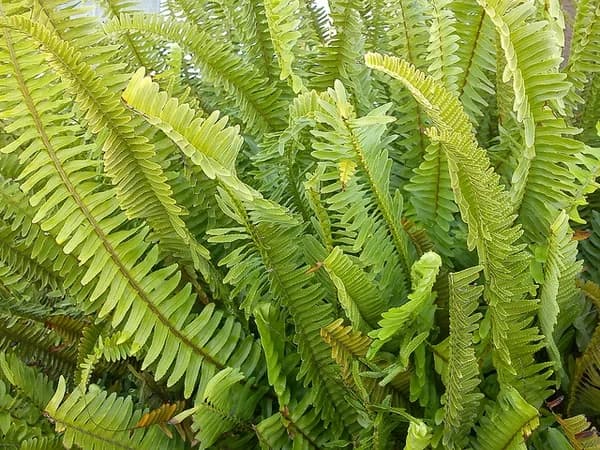
Boston fern (Nephrolepis exaltata) grows best when its potting mix stays moist and its air is not excessively dry. Browning can have more than one cause, so check the pot and position before assuming humidity is the only problem.
Give it filtered light and warmth
Choose bright, indirect light or a gently shaded position. Protect fronds from strong direct sun and cold draughts. A kitchen or bathroom can work if it has enough light and ventilation; a dark bathroom will not meet the plant's light needs.
Keep the mix moist, not waterlogged
Feel the mix below the surface and learn how heavy the pot feels after watering. Water before the root ball becomes completely dry, then let excess water drain. Do not leave the pot standing in water. A six-day summer and ten-day winter schedule cannot account for pot size, heat, light or the mix.
Growth and water use slow in winter. Check the pot rather than automatically repeating a summer amount. If fronds yellow while the mix remains wet, inspect drainage and roots before watering again.
Work through brown or dropping fronds
Dry, crispy edges can follow a dry root ball or dry air; strong sun and abrupt changes can also damage fronds. First check the mix, then the room's humidity and exposure. A humidifier can help in dry air. Misting gives only brief wetness and is not a reliable replacement for suitable room humidity or correct watering.
Some older fronds naturally age. Trim fully brown fronds with clean scissors near the base. New healthy fronds, not old damaged tissue, show whether a care change helped. If you find dark dots in a regular pattern on the undersides of mature fronds, they may be normal spore clusters rather than pests.
Potting and pet safety
Use a moisture-retentive but draining potting mix in a pot with drainage holes. Repot when roots have filled the pot or the mix has broken down; divide an established clump if you want a second plant.
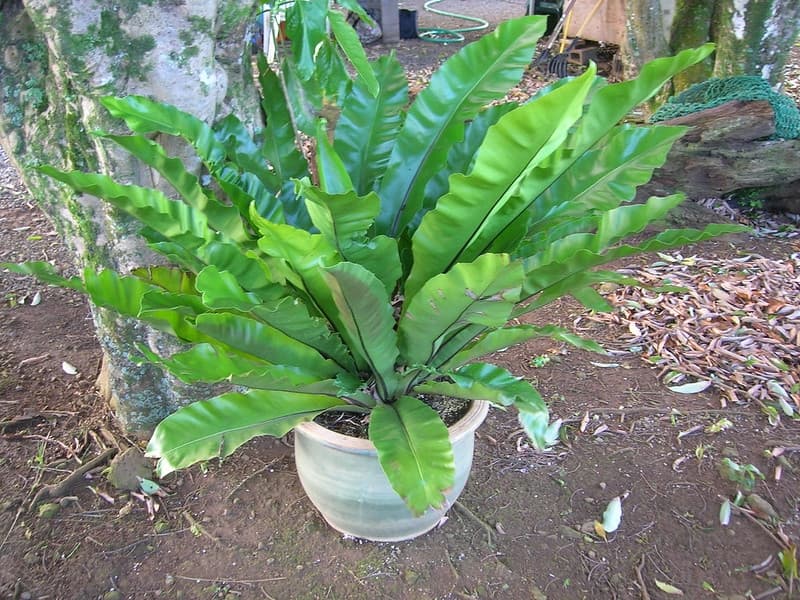
ASPCA lists Boston fern as non-toxic to cats and dogs. That is a species-specific listing, not a promise that chewing any plant cannot cause an upset stomach. Identify a lookalike fern before relying on the label.
Use LeafLovers to record soil checks and watering. The reminder helps you check the plant; it does not replace the check.
Sources for this guide
4 sources
Spotted something that needs correcting? Send a message.