Stromanthe Triostar Care: Keep the Colour Without Crispy Edges
A variegated prayer-plant relative that likes gentle light and even moisture.
Quick questions
Why do Triostar leaves move at night?
Leaf movement is normal for this prayer-plant relative.
Does Triostar need direct sun?
No. Bright indirect light supports colour without scorching pale sections.
When should I water it?
When the upper mix starts to dry, then let excess drain.
Why are the leaf edges brown?
Check moisture, dry air, salts and sun exposure before choosing one fix.
Is Triostar confirmed pet-safe?
A species-specific ASPCA listing was not confirmed in this review; keep it out of reach.
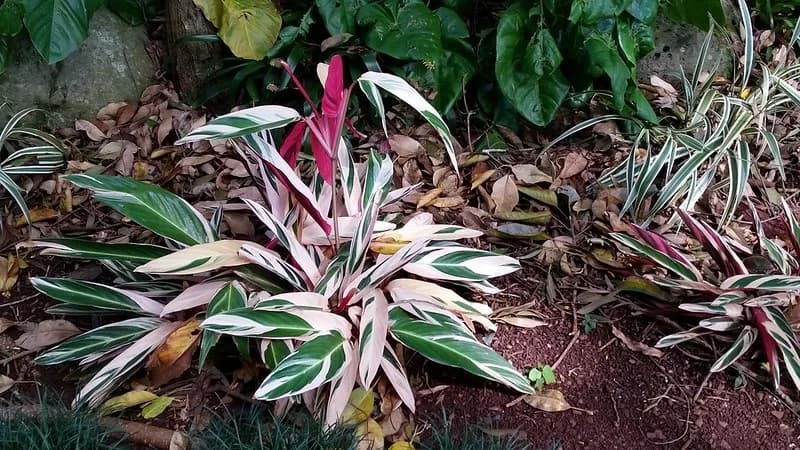
Triostar is a variegated form of Stromanthe thalia, often sold under the older name S. sanguinea. Its leaves mix cream, green and pink, with reddish undersides. The photograph shows a related 'Tricolor' plant rather than a confirmed Triostar; check your own label for the cultivar.
Filter the light
Give bright indirect light. Harsh direct sun can scorch the pale sections, while deep shade can dull the colour. Leaf movement between day and night is normal for this prayer-plant relative.
Keep moisture steady
Use a draining pot with a mix that holds some moisture. Check below the surface and water when the upper layer starts to dry; do not let the root ball stay bone dry or sit in water. Reduce checks as growth slows in cooler months.
Investigate brown edges
Crispy tips can follow dry air, irregular watering, salts or harsh sun. Look at the whole plant and the pot before treating one cause. A humidifier can help in dry rooms; keep air circulating and avoid cold draughts.
Pets
A species-specific ASPCA listing for Triostar was not confirmed in this review. Keep the plant and care products away from chewing pets rather than promising that every prayer-plant relative is safe.
Related LeafLovers guides
Sources for this guide
3 sources
Spotted something that needs correcting? Send a message.