Chinese Money Plant Care Guide - Light, Water, Soil & Expert Tips
The cheerful, coin-shaped charmer that shares babies with everyone.
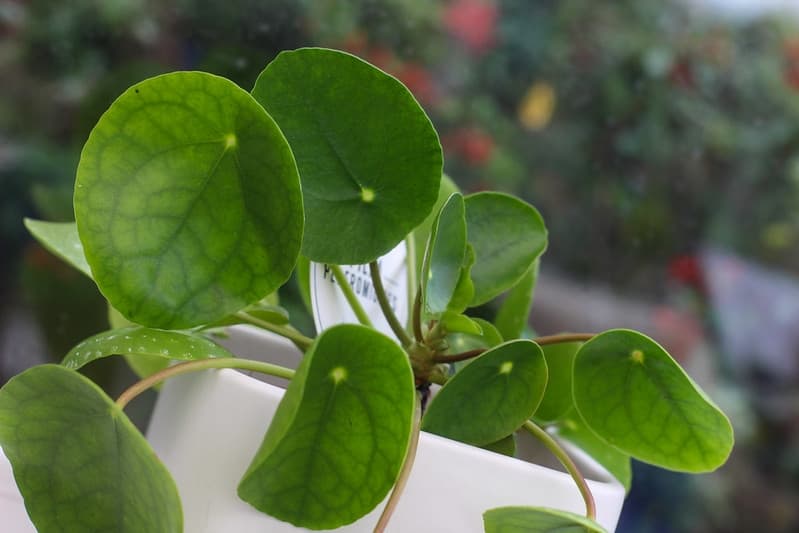
Your Chinese Money Plant (Pilea peperomioides) is the cheerful social butterfly of the plant world. It grows round, coin-shaped leaves on delicate stems, produces babies generously, and has become one of the most beloved houseplants on social media. This Chinese Money Plant care guide will help you keep it compact, healthy, and producing plenty of pups to share.
Light
Pilea loves bright, indirect light. A spot near an east- or north-facing window where it gets a few hours of gentle, filtered light is perfect. It can handle a couple of hours of direct morning sun, but avoid harsh afternoon rays. During the darker winter months, moving it closer to the window or to a south-facing sill can help maintain compact, healthy growth.
Rotate the pot a quarter turn every week - Pilea leans dramatically toward the light and will grow lopsided without regular turning. This is one of the most important habits in chinese money plant care guide basics. If you notice the stem bending persistently, it is also a sign the plant wants brighter light than it is currently getting.
Signs of too much light: Scorched or faded leaves, pale colour.
Signs of too little light: Leggy stems, smaller leaves, the plant reaching and stretching toward the window.
Watering
Water your Pilea roughly every 8 days in summer and every 12 days in winter. Let the soil go slightly dry between waterings - check the top 2-3 cm before watering by pushing your finger into the soil.
Pilea prefers consistent moisture without being wet. Its round leaves droop a little when thirsty, giving you a clear signal. When you water, do so thoroughly until water runs from the drainage holes, then pour away any water that collects in the saucer. In winter, Pilea's growth slows and it needs less water, so always verify soil dryness before reaching for the watering can.
Signs of overwatering: Yellow lower leaves, mushy stems, root rot.
Signs of underwatering: Drooping, curling leaves that perk up after watering.
Humidity
Pilea is comfortable in 40-50% humidity. It does not require any special humidity measures and adapts well to average home conditions. If the air is extremely dry, the leaf edges may curl slightly. This plant does well on a kitchen windowsill or in any room with average household moisture.
Soil & Potting
Pilea likes a compact pot - too much space makes it leggy and diverts energy from leaf production to root growth. Use a well-draining potting mix with extra perlite. A pot with a drainage hole is essential; terracotta works well because it allows the soil to dry evenly.
When the pot is full of roots and babies, it is time to repot - typically every one to two years. Go up one size and separate any babies (pups) that you want to share or pot up individually. Spring is the best time to repot, as the plant will recover quickly during its active growth season.
Common Problems
Leggy growth: Not enough light or the pot is too large. Move to a brighter spot and consider downsizing the pot. Trim leggy stems to encourage bushier growth.
Curling leaves: Usually a watering issue - either too much or too little. Check the soil and adjust. Very low light can also cause curling.
Dropping lower leaves: Some leaf drop is natural as the plant grows taller, shedding lower leaves to create a more tree-like form. If it is excessive, check watering.
No babies: Young or stressed plants may not produce pups. Give it bright light, proper watering, and a slightly rootbound pot, and babies will come.
White spots on leaves: These are usually mineral deposits left behind by hard tap water splashing on the foliage. Wipe them gently with a damp cloth. If possible, direct water at the soil rather than over the leaves.
Quick Reference
| Care Need | Details |
|---|---|
| Light | Bright indirect |
| Water (summer) | Every 8 days |
| Water (winter) | Every 12 days |
| Humidity | 40-50% |
| Difficulty | Beginner |
| Personality | Cheerful |
| Toxic | Safe for pets and children |
Why Chinese Money Plant Belongs in Your Collection
The Chinese Money Plant is pet-safe, incredibly photogenic, and produces babies that you can share with friends - it is one of the most generous houseplants you can own. Its Cheerful personality means it is always growing and always giving. With LeafLovers, you can track care for your main plant and all its pups. Feed it with a balanced liquid fertiliser once a month during spring and summer to fuel that growth. This Chinese Money Plant care guide is just the start - once it starts producing babies, you will have enough Pileas to fill every windowsill.
Care reference
Need the full care profile for Chinese Money Plant?
Check the encyclopedia for light, watering, soil, pet safety, and pot guidance - then use LeafLovers to fit it to your plant and home.
Free weekly plant care tips
Get personalised tips delivered to your inbox. No app needed, no spam, unsubscribe anytime.
No credit card. No tricks. No strings. Just plants.