Philodendron Birkin Care Guide - Light, Water, Soil & Expert Tips
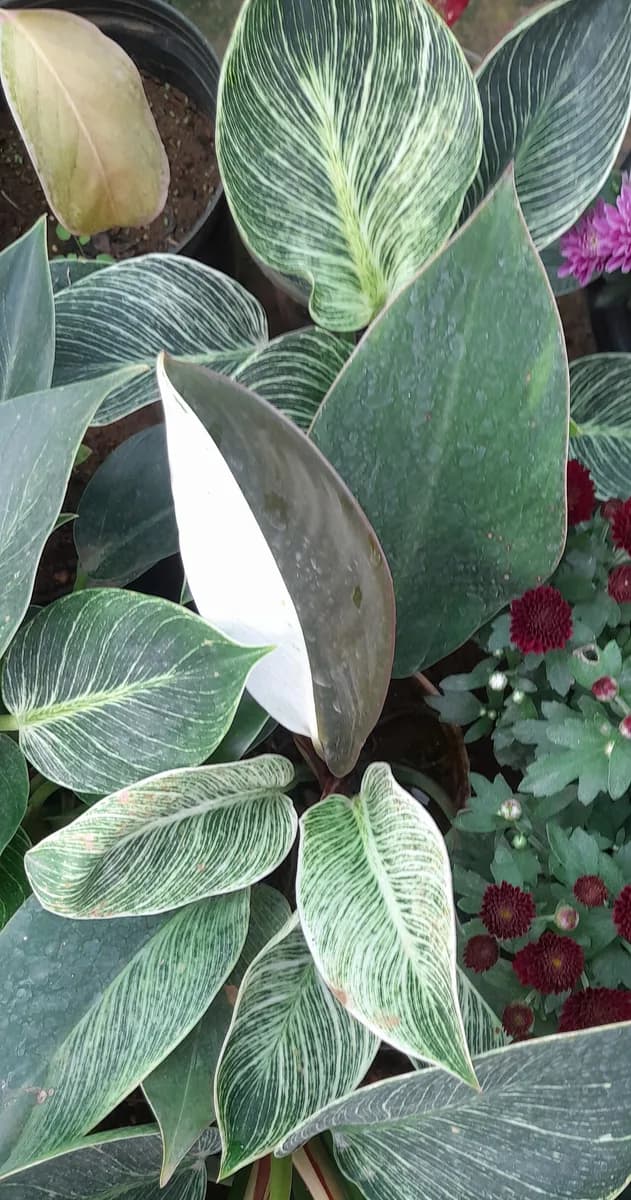
White pinstripes on dark green leaves - this compact beauty is quietly captivating.
Your Philodendron Birkin is a Mysterious plant with an understated elegance - dark green leaves etched with crisp white pinstripe variegation that looks almost hand-painted. It is compact, manageable, and just unusual enough to make plant-savvy visitors stop and look twice. This philodendron birkin care guide will help you keep those stunning pinstripes coming.
Light
Philodendron Birkin needs bright indirect light to maintain its distinctive white variegation. Without enough light, new leaves may emerge with less variegation or revert to solid green.
An east or west-facing window is ideal. Some gentle morning direct sun is fine, but avoid harsh afternoon sun, which can scorch the leaves. If you notice new leaves coming in mostly green, try moving the plant to a brighter spot.
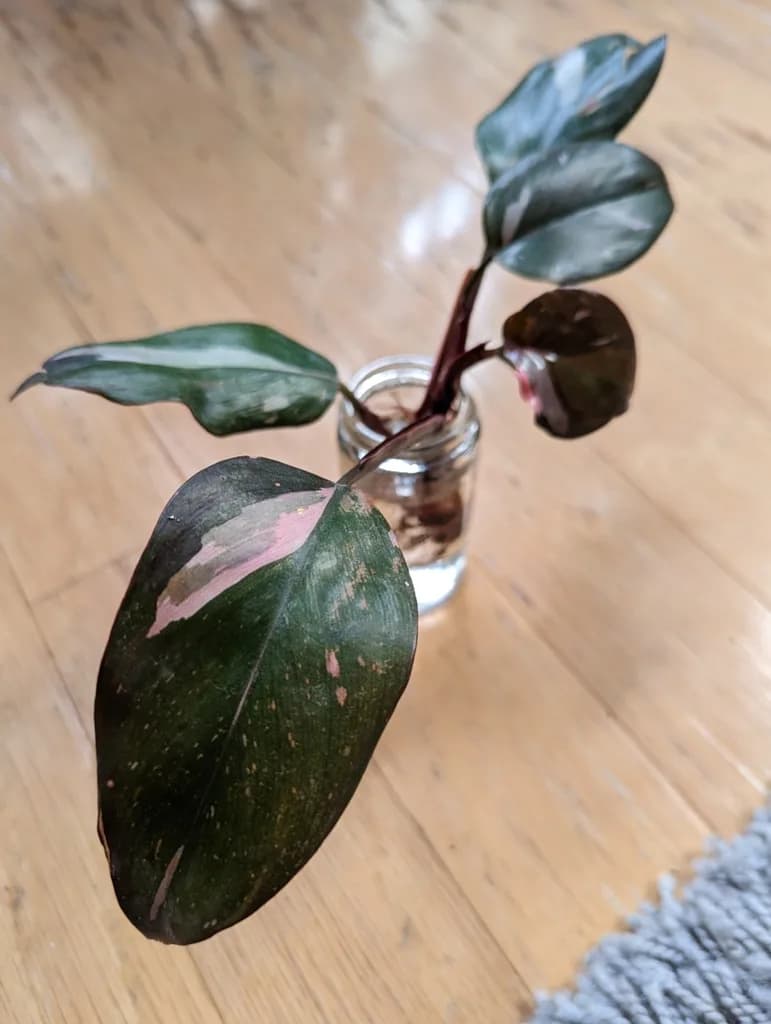
Interestingly, the Birkin is a mutation of a non-variegated Philodendron, so it can occasionally produce a leaf that reverts to solid green or even has pink or reddish tones. This is normal - just enjoy the variety.
Watering
Water your Philodendron Birkin every 8 days in summer and every 12 days in winter. Let the top 2-3 cm of soil dry between waterings. Birkins like consistent moisture without being waterlogged.
Overwatering leads to yellowing leaves and potential root rot. Underwatering shows as curling or drooping leaves. This plant communicates clearly, so watch the leaves and adjust your schedule accordingly.
Humidity
Philodendron Birkin appreciates moderate humidity of 50-60%. It is not as demanding as some tropicals but will show brown leaf tips in very dry conditions. A pebble tray or grouping with other plants usually provides enough humidity.
Soil & Potting
Birkin likes a snug pot with a well-draining aroid mix. Combine standard potting soil with perlite and orchid bark for the airy, chunky texture that Philodendron roots prefer. The orchid bark creates air pockets that prevent root suffocation.
Repot every 1-2 years in spring, going up one pot size. The Birkin is a relatively compact grower, so it does not need frequent upsizing.
Common Problems
Loss of variegation: Insufficient light. Move to a brighter spot with indirect light. New growth should show stronger pinstripe patterns.
Yellowing leaves: Usually overwatering. Check soil moisture and ensure the pot is draining well. Some lower leaf yellowing is normal as the plant ages.
Brown leaf tips: Low humidity or inconsistent watering. Maintain moderate humidity and water on a regular schedule.
Reverted leaves: Occasional solid green, pink, or reddish leaves are normal for this cultivar - it is genetically unstable. If most new growth is reverting, improve light conditions.
Toxicity
Philodendron Birkin is moderately toxic to cats, dogs, and children. It contains calcium oxalate crystals that cause mouth irritation and digestive upset if ingested. Keep out of reach of curious pets and children.
Quick Reference
| Light | Bright |
|---|---|
| Water (summer) | Every 8 days |
| Water (winter) | Every 12 days |
| Humidity | 50-60% |
| Difficulty | Beginner |
| Personality | Mysterious |
| Toxic | Moderately toxic to cats, dogs, and children |
Why Philodendron Birkin Belongs in Your Collection
The Birkin offers the best of both worlds: the easy care of a Philodendron with the visual intrigue of a variegated collector's plant. Its compact size makes it perfect for desks, shelves, and tabletops. With this philodendron birkin care guide and LeafLovers tracking your care routine, those white pinstripes will keep coming strong with every new leaf.
Care reference
Need the full care profile for Philodendron Birkin?
Check the encyclopedia for light, watering, soil, pet safety, and pot guidance - then use LeafLovers to fit it to your plant and home.
Free weekly plant care tips
Get personalised tips delivered to your inbox. No app needed, no spam, unsubscribe anytime.
No credit card. No tricks. No strings. Just plants.