Money Tree Care Guide - Light, Water, Soil & Expert Tips
An upbeat, braided beauty that is easier to care for than most people think.
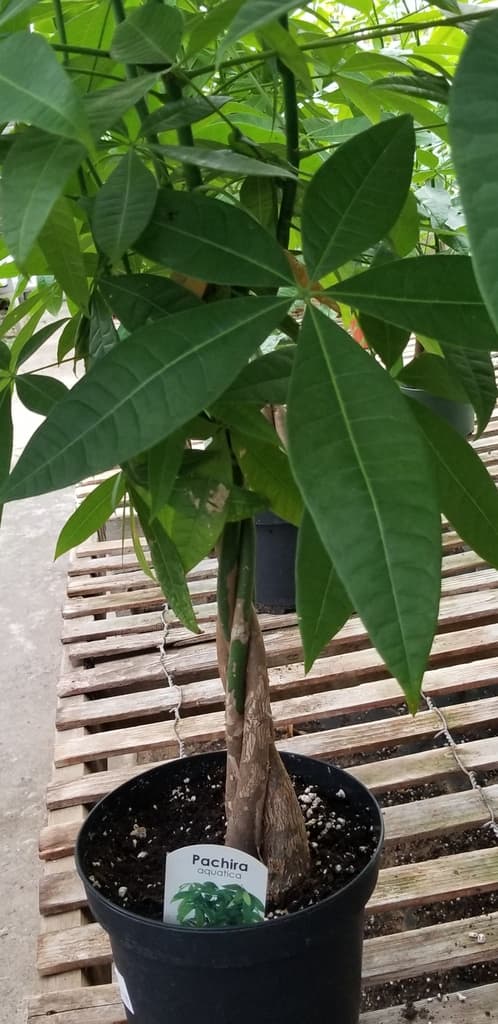
Your Money Tree (Pachira aquatica) is a Cheerful plant with bright, hand-shaped leaves and - if you bought it at a nursery - a signature braided trunk. Often given as a gift symbolizing good fortune, this plant is far more forgiving than its tropical origins might suggest. This money tree care guide will help you keep it thriving for years. It is also pet-safe, making it a great choice for households with curious animals.
Light
Money Trees do best in bright indirect light. They adapt to medium light but grow more slowly. Avoid direct midday sun, which can scorch the leaves, though some gentle morning sun is fine. An east-facing window provides an ideal balance of brightness and gentleness.
Rotate the pot a quarter turn every few weeks. Money Trees will lean toward their light source, and regular rotation keeps the growth even and the braided trunk straight. In winter, when daylight weakens, move your Money Tree closer to the window or to a brighter room to maintain healthy leaf production.
Watering
Water your Money Tree every 10 days in summer and every 14 days in winter. This is where many people go wrong - Money Trees need less water than you might expect. Let the top 3-5 cm of soil dry out between waterings. The finger test is essential here: push your finger a few centimeters into the soil, and only water if it feels dry at that depth.
Overwatering is the number one killer of Money Trees. Soggy soil leads to root rot, and once the braided trunk gets soft and mushy, it is very difficult to save. When in doubt, wait another day or two before watering. Water thoroughly when you do, allowing it to drain from the bottom, then empty any saucer underneath so the roots never sit in standing water.
Signs of overwatering: yellowing leaves, soft trunk, mushy smell from soil. Signs of underwatering: drooping leaves, dry and crispy leaf edges.
Humidity
Money Trees appreciate moderate humidity of 40-60% but are not overly fussy. They do fine in average household conditions. A light misting once or twice a week during dry winter months is a nice bonus but not essential. If you notice the leaf edges turning crispy or brown during winter, a pebble tray or small humidifier nearby can help.
Soil & Potting
This is critical for Money Tree success: use a well-draining potting mix and avoid oversized pots. A pot that is too large retains too much moisture around the roots, leading to rot. Keep the plant in a snug pot with drainage holes.
Mix standard potting soil with perlite and a bit of sand for extra drainage. When repotting (every 2-3 years), go up only one pot size. Spring is the ideal time to repot, as the plant is entering active growth and will settle into its new container quickly. Be gentle with the braided trunks during repotting - they are more fragile than they look.
Common Problems
Yellowing leaves: Overwatering is the most common cause. Check the soil - if it is wet, let it dry out and reduce watering frequency. Also check for drafts, as Money Trees dislike cold air.
Leaf drop: Often caused by overwatering, underwatering, or a sudden change in environment. Money Trees can be sensitive to being moved, especially if the light level changes significantly.
Soft, mushy trunk: This is advanced root rot. If only one braided trunk is affected, you may be able to remove it and save the others. Reduce watering immediately and check drainage.
Brown leaf tips: Usually low humidity or salt buildup from fertilizer. Flush the soil with clean water periodically.
Mealybugs and spider mites: Money Trees can occasionally attract these pests, especially in dry indoor air. Check between the leaf stems and on the undersides of leaves regularly. Treat early with a neem oil spray or by wiping the affected areas with a damp cloth.
Quick Reference
| Light | Bright |
|---|---|
| Water (summer) | Every 10 days |
| Water (winter) | Every 14 days |
| Humidity | 40-60% |
| Difficulty | Beginner |
| Personality | Cheerful |
| Toxic | Non-toxic - safe for pets and children |
Why Money Tree Belongs in Your Collection
The Money Tree is a genuine crowd-pleaser - attractive, meaningful, pet-safe, and easier to care for than most tropical houseplants. Its braided trunk and cheerful leaves brighten any room. Feed it with a balanced liquid fertiliser once a month during spring and summer to encourage strong, leafy growth. Avoid fertilising in winter when the plant is resting. With this money tree care guide and LeafLovers keeping track of your watering schedule, your Pachira aquatica will keep bringing good vibes and lush growth for years to come.
Care reference
Need the full care profile for Money Tree?
Check the encyclopedia for light, watering, soil, pet safety, and pot guidance - then use LeafLovers to fit it to your plant and home.
Free weekly plant care tips
Get personalised tips delivered to your inbox. No app needed, no spam, unsubscribe anytime.
No credit card. No tricks. No strings. Just plants.