Lipstick Plant Care: Light for Red Blooms
Keep Aeschynanthus radicans warm, airy and bright.
Quick questions
How much light does lipstick plant need?
Bright indirect light supports growth and flowering; avoid prolonged harsh direct sun.
Why is it dropping leaves?
Check for cold conditions, a dry root ball or persistently wet roots before changing care.
Should I mist the leaves?
Humid air can help, but circulation and dry foliage reduce fungal problems.
When should I trim it?
Prune long stems after flowering to keep growth compact.
Is Aeschynanthus radicans pet-safe?
The ASPCA listing found is for Aeschynanthus humilis, so do not assume it applies to this species.
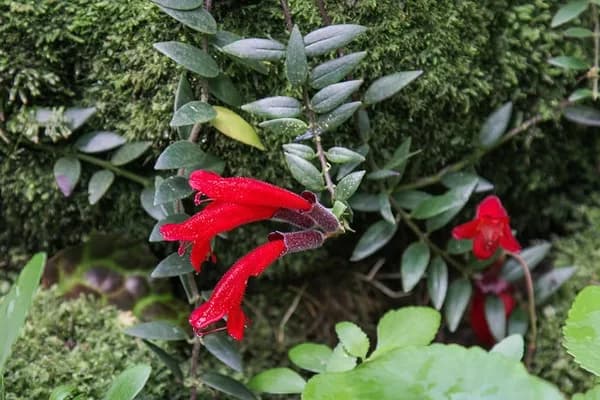
Lipstick plant (Aeschynanthus radicans) gets its name from scarlet flowers emerging from dark tubes. Let its arching stems spill from a hanging pot where you can enjoy the flowers at eye level.
Light and temperature
Give bright indirect light, avoiding harsh full sun. Keep it warm during active growth and protect it from temperatures below about 10°C. A cooler winter can slow growth, but a cold draught may make leaves drop.
Water with air around the roots
Use a free-draining potting mix and a pot with holes. Water when the upper mix begins to dry, then let the pot drain. It appreciates humid air with circulation; stagnant wet leaves and medium encourage fungal problems. Keep foliage dry when watering.
Encourage fresh growth
Trim long stems after flowering to make room for new shoots. During active growth, feed lightly according to an orchid or houseplant fertilizer label. Inspect for aphids, mites and mealybugs if buds fail or leaves look marked.
Pets
ASPCA's “Lipstick Plant” non-toxic listing names Aeschynanthus humilis, a different species. Do not extend that exact listing automatically to A. radicans. Keep this plant away from chewing pets until its safety is confirmed with a veterinarian.
Related LeafLovers guides
Sources for this guide
2 sources
Spotted something that needs correcting? Send a message.