Goldfish Plant Care: Light for Orange Flowers
Keep Nematanthus gregarius bright, warm and well drained.
Quick questions
Why is my goldfish plant not flowering?
Check light first: bright filtered light supports blooms better than a dim shelf.
Can it live in a hanging basket?
Yes. Its trailing stems suit a draining hanging basket.
How often should I water it?
Water when the upper mix begins to dry, then drain; adjust to season and pot size.
What are the tiny insects on new shoots?
Aphids can gather there. Identify them before treating.
Is goldfish plant pet-safe?
A species-specific ASPCA listing was not confirmed. Keep it away from pets.
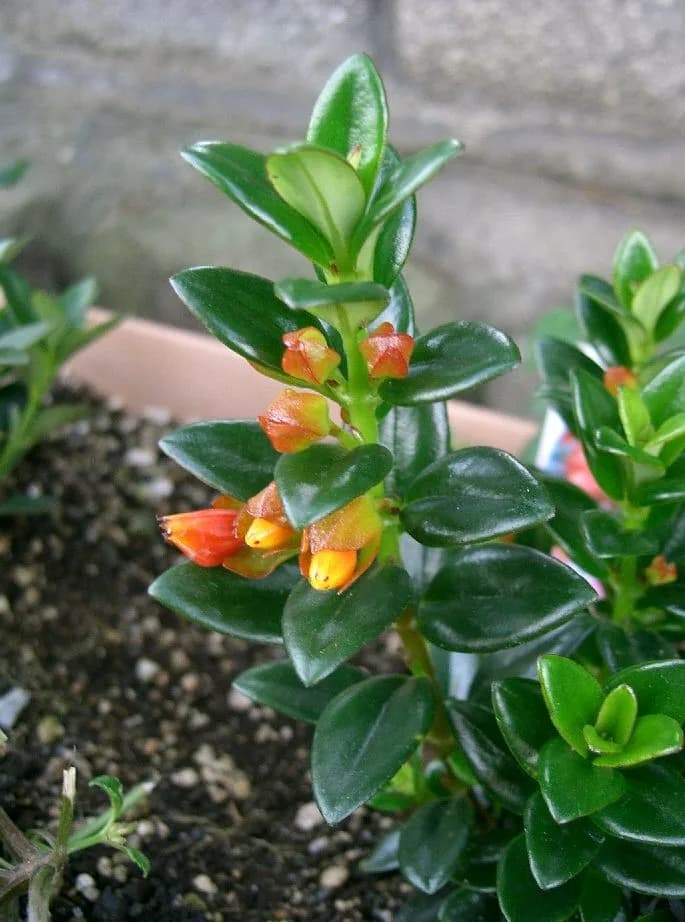
Goldfish plant (Nematanthus gregarius) has glossy, fleshy leaves and orange flowers that look like little fish. The stems can spill over a hanging basket. Use the botanical name when buying, because “goldfish plant” is also used for other gesneriads.
Light for blooms
Place it in bright filtered light. A little gentle sun can help, but prolonged harsh direct sun may damage leaves. Too little light can leave you with healthy foliage and few flowers.
Water and pot
Use a light, free-draining potting mix and a pot with drainage holes. Check below the surface and water when the upper mix begins to dry, then drain fully. Keep it warm; NC State warns against temperatures below about 10°C. A cold, wet pot is especially risky.
Shape and troubleshoot
Trim long stems after flowering to keep the plant full. Aphids can gather on new growth and flowers, so inspect before applying a treatment. Dropped buds may follow abrupt moves, dry roots or cold conditions; check the whole setting rather than assuming one cause.
Pets
A species-specific ASPCA toxicity listing was not confirmed. Keep it away from pets until you can verify the exact plant and ask a veterinarian after ingestion.
Related LeafLovers guides
Sources for this guide
1 source
Spotted something that needs correcting? Send a message.