Madagascar Jasmine Care Guide - Light, Water, Soil & Expert Tips
A fragrant enigma that rewards those who learn its secrets.
There is something deeply enchanting about Stephanotis floribunda. When those waxy white star-shaped flowers open, the fragrance fills the room with an intoxicating sweetness that is hard to forget. With its Mysterious personality, the Madagascar Jasmine keeps some of its best qualities hidden until you earn them through attentive care.
This madagascar jasmine care guide is written for the dedicated plant parent who is ready to invest a little extra effort for extraordinary rewards. This is an advanced-level plant, but the blooms are absolutely worth it.
Light
Madagascar Jasmine needs bright, indirect light to thrive and bloom. A south- or east-facing window with filtered light is ideal. It needs several hours of bright light daily to produce flowers, but avoid harsh direct midday sun, which can scorch the leaves. In winter, maximize whatever light is available.
Watering
Water every 8 to 12 days during the growing season, allowing the top layer of soil to dry slightly between waterings. Stephanotis does not like soggy roots, but it also should not dry out completely. Use room-temperature water, as cold water can shock the roots. Reduce watering in winter when growth slows.
Humidity
This is where Madagascar Jasmine gets demanding. It thrives in humidity of 50 to 70 percent - higher than most homes provide naturally. Regular misting, a humidity tray, or a humidifier nearby makes a real difference. Low humidity leads to bud drop, which is the most frustrating problem with this plant.
Soil & Potting
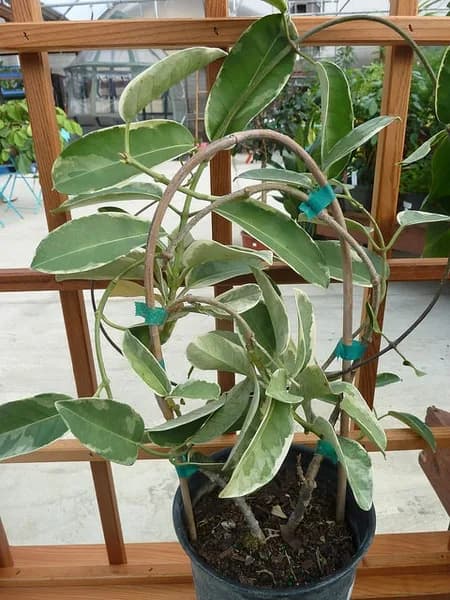
Use a well-draining potting mix. Here is a helpful secret from this madagascar jasmine care guide: Stephanotis actually blooms better when slightly rootbound in a snug pot. Resist the urge to repot too frequently. When you do repot, go only slightly larger and provide a trellis or support for the vining stems.
Common Problems
Bud drop: The most common complaint. Usually caused by sudden changes in temperature, moving the plant while buds are forming, low humidity, or drafts. Once buds appear, keep conditions as stable as possible.
Yellowing leaves: Typically overwatering or poor drainage. Check that the soil is not staying soggy.
No flowers: Insufficient light is the most likely cause. Stephanotis also needs a cool winter rest period around 13 to 16 degrees Celsius to trigger blooming in spring.
Mealybugs: Check leaf axils and stems regularly. Treat with rubbing alcohol on a cotton swab or insecticidal soap.
Toxicity
Madagascar Jasmine is mildly toxic to cats and dogs. The sap can cause irritation. Keep it elevated on a shelf or hang it where pets cannot reach.
Quick Reference
| Need | Details |
|---|---|
| Light | Bright indirect |
| Water | Every 8-12 days, slight dry between |
| Humidity | 50-70% |
| Soil | Well-draining mix, snug pot |
| Toxicity | Mildly toxic to cats and dogs |
| Difficulty | Advanced |
Why Madagascar Jasmine Belongs in Your Collection
If you have mastered the basics and want a plant that challenges and rewards in equal measure, Stephanotis floribunda is the one. Those intensely fragrant white flowers are unlike anything else in the houseplant world. Follow this madagascar jasmine care guide, give it the humidity and light it craves, and you will be rewarded with blooms that make every effort worthwhile.
Care reference
Need the full care profile for Madagascar Jasmine?
Check the encyclopedia for light, watering, soil, pet safety, and pot guidance - then use LeafLovers to fit it to your plant and home.
Free weekly plant care tips
Get personalised tips delivered to your inbox. No app needed, no spam, unsubscribe anytime.
No credit card. No tricks. No strings. Just plants.