Jasmine Care Guide - Light, Water, Soil & Expert Tips
Intoxicating fragrance and delicate white blooms. A plant that rewards patience with perfume.
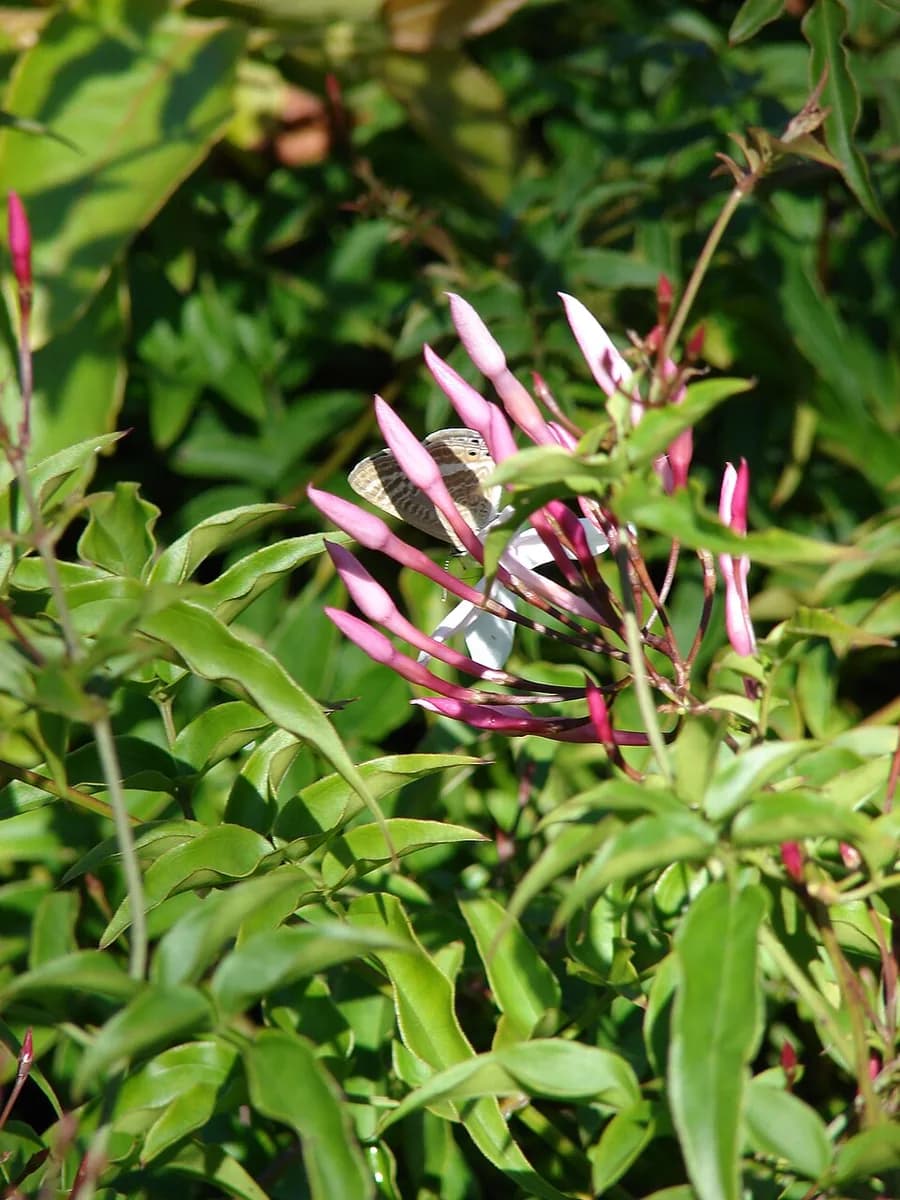
Jasmine (Jasminum polyanthum) is a plant of secrets - it saves its best performance for winter, when clusters of intensely fragrant white flowers fill a room with perfume. But those blooms do not happen by accident. Jasmine needs a cool autumn rest period to set its buds, and the right balance of light and moisture year-round. This jasmine care guide reveals the approach to keep this mysterious, rewarding plant flowering reliably.
Jasmine is non-toxic and safe for households with pets and children.
Light
Jasmine is a light-loving plant that needs bright conditions to bloom.
- Best: Bright indirect light with a few hours of direct morning sun
- Acceptable: Bright indirect light all day
- Avoid: Low light - jasmine will survive but will not bloom
A south- or east-facing window is ideal. During summer, jasmine benefits from being placed outdoors in a sheltered spot with morning sun.
Watering
Consistent, even moisture is what jasmine prefers.
- Growing season (spring/summer): Water every 6-10 days, keeping soil evenly moist but not waterlogged
- Autumn cool period: Reduce watering but do not let the soil dry out completely
- Winter (during bloom): Resume regular watering as buds form and open
- The rule: Evenly moist, never soggy, never bone dry
Jasmine dislikes extremes. Consistent moisture is the key to keeping both foliage and flowers healthy.
Humidity
Moderate humidity keeps jasmine looking its best.
- Ideal range: 40-60%
- Misting is beneficial, especially during blooming
- A pebble tray adds ambient humidity
- Good air circulation is important to prevent fungal issues
Soil & Potting
Well-draining potting mix in a snug pot is ideal.
- Best mix: Standard potting soil with perlite for drainage
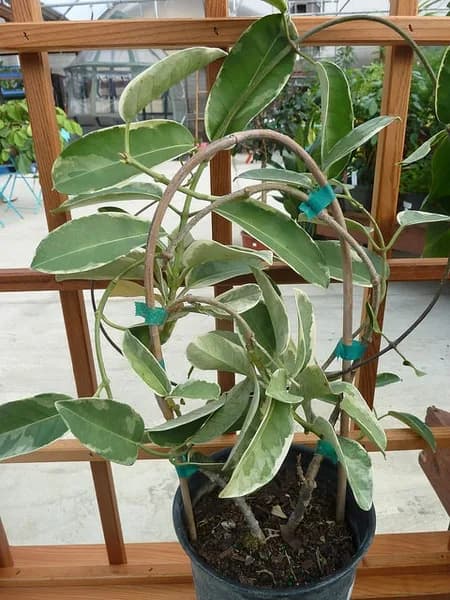
- Pot: Keep slightly rootbound in a pot with drainage holes. Provide a small trellis or support for the vining stems
- Repotting: Every 2-3 years in spring
- Feeding: Fertilize monthly during spring and summer with a balanced liquid feed. Stop feeding in autumn and winter
Common Problems
No flowers - The most common frustration. Jasmine needs a cool period in autumn (around 10-15C / 50-60F) for several weeks to set buds. Without this cool rest, it will not bloom. Also ensure it gets enough light.
Dropping buds - Temperature fluctuations, drafts, or moving the plant once buds have formed. Keep jasmine in a stable location once buds appear.
Yellowing leaves - Overwatering, poor drainage, or nutrient deficiency. Check drainage and resume feeding in spring.
Leggy growth - Insufficient light. Move to a brighter spot and prune after flowering to encourage bushy growth.
Quick Reference
| Detail | Info |
|---|---|
| Light | Bright indirect, some direct morning sun |
| Water | Every 6-10 days, keep evenly moist |
| Humidity | 40-60% |
| Difficulty | Intermediate |
| Personality | Mysterious |
| Toxic to pets? | No - safe for cats and dogs |
Why Jasmine Belongs in Your Collection
Jasmine offers something rare among houseplants: genuine, room-filling fragrance. Its Mysterious personality suits it perfectly - patient and quiet most of the year, then revealing breathtaking clusters of perfumed flowers in winter. This jasmine care guide shows that the secret is the cool autumn rest. Provide that, along with bright light and even moisture, and jasmine will reward you with one of the most beautiful experiences in indoor gardening.
Care reference
Need the full care profile for Jasmine?
Check the encyclopedia for light, watering, soil, pet safety, and pot guidance - then use LeafLovers to fit it to your plant and home.
Free weekly plant care tips
Get personalised tips delivered to your inbox. No app needed, no spam, unsubscribe anytime.
No credit card. No tricks. No strings. Just plants.