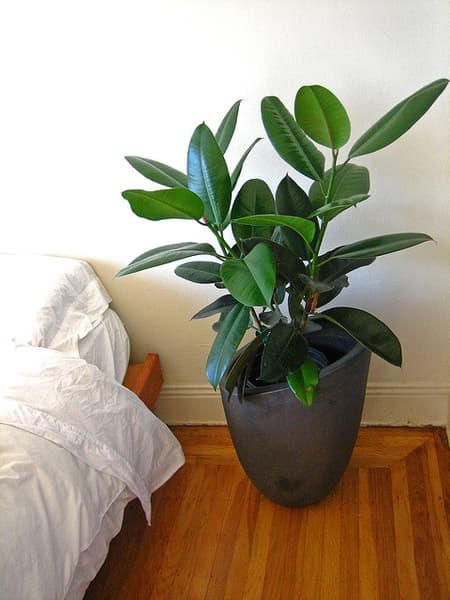
Rubber plant with glossy dark green leaves in natural light
Care Guide

Rubber Plant Care Guide - Light, Water, Soil & Expert Tips

An adventurous grower with bold, glossy leaves that make a statement.

7 min read LeafLovers Plant Guides

Your Rubber Plant (Ficus elastica) is an adventurous grower that makes a bold statement in any room. Those thick, glossy leaves come in stunning varieties - dark green, burgundy, ruby pink, and the multi-coloured Tineke - and the plant grows tall and architectural with minimal fuss. This Rubber Plant care guide will keep those leaves shining and that growth strong.

Light

Rubber Plants prefer bright, indirect light. They tolerate medium light, but growth slows and variegated varieties (like Ruby and Tineke) may lose their colourful patterns without sufficient brightness.

A few hours of gentle morning sun is fine and can actually deepen the colours on burgundy and ruby varieties. Avoid harsh afternoon direct sun, which can scorch leaves. An east-facing window provides an ideal balance of brightness and gentleness. In darker months, consider shifting your Rubber Plant closer to the window to maintain steady growth. If you notice new leaves coming in smaller than usual, that is often a sign it needs a brighter position.

Signs of too much light: Scorched brown patches, faded colours.

Signs of too little light: Leggy growth, smaller leaves, loss of variegation, lower leaf drop.

Watering

Water your Rubber Plant roughly every 10 days in summer and every 14 days in winter. Let the soil go slightly dry between waterings - check the top 3-5 cm before watering by pressing your finger into the soil.

Rubber Plants are more drought-tolerant than many Ficus species, thanks to their thick, waxy leaves. They handle a missed watering better than a soggy pot. When you water, give it a thorough soak so that water drains from the bottom, then empty any standing water from the saucer. In winter, reduce watering frequency as growth slows. Rubber Plants are not particularly sensitive to water quality, but using room-temperature water avoids stressing the root system.

Signs of overwatering: Yellow lower leaves, leaf drop, mushy stems.

Signs of underwatering: Drooping, curling leaves, dry crispy edges.

Humidity

Rubber Plants are comfortable in 40-50% humidity. They are not humidity-fussy and do well in standard home conditions. Wipe the large leaves with a damp cloth regularly - this removes dust, helps the plant photosynthesize, and keeps those leaves gloriously glossy. Cleaning the leaves once or twice a month is one of the most rewarding parts of rubber plant care guide maintenance, since the difference in shine is immediately visible.

Soil & Potting

Rubber Plants tolerate being slightly rootbound. Use a well-draining potting mix with perlite. Heavy pots (like terracotta or ceramic) are a practical choice because they help balance the plant's top-heavy growth.

Repot when roots grow from drainage holes or the plant becomes unstable, typically every two to three years. Go up one pot size and refresh the potting mix. Spring is the best time to repot, giving the plant a full growing season to settle in.

Common Problems

Dropping lower leaves: Usually caused by overwatering, underwatering, or a sudden change in conditions such as being moved to a new room or exposed to cold drafts. Check soil moisture and keep the environment stable.

Dusty leaves: Those big, flat leaves collect dust easily. Wipe with a damp cloth monthly. Dust blocks light absorption and can attract pests.

Leggy growth: Not enough light. Move to a brighter spot. You can also prune the top to encourage branching - new growth will sprout below the cut.

White sap when pruning: Rubber Plant sap (latex) is sticky and can irritate skin. Wear gloves when pruning and wipe the cut with a damp cloth to stop dripping.

Mealybugs and scale: Rubber Plants can attract these sap-sucking pests, especially in warm, dry conditions. Check leaf undersides and stem joints regularly. Treat early with a cotton swab dipped in rubbing alcohol or an application of neem oil.

Toxicity

Rubber Plant is mildly toxic to cats and dogs. The milky sap can cause skin irritation and ingestion can cause mouth discomfort and stomach upset. Keep out of reach of pets.

Quick Reference

Care NeedDetails
LightBright indirect
Water (summer)Every 10 days
Water (winter)Every 14 days
Humidity40-50%
DifficultyBeginner
PersonalityAdventurous
ToxicMild - cats, dogs

Why Rubber Plant Belongs in Your Collection

Rubber Plants come in gorgeous varieties - from classic dark green to burgundy, ruby, and the trendy Tineke - and they grow into impressive architectural specimens. Their Adventurous personality means they are always reaching for new heights. Feed your Rubber Plant with a balanced liquid fertiliser monthly during spring and summer to support that vigorous growth. This Rubber Plant care guide and LeafLovers' care reminders make it easy to keep those glossy leaves at their best.

Care reference

Need the full care profile for Rubber Plant?

Check the encyclopedia for light, watering, soil, pet safety, and pot guidance - then use LeafLovers to fit it to your plant and home.

Open care guide

Free weekly plant care tips

Get personalised tips delivered to your inbox. No app needed, no spam, unsubscribe anytime.

No credit card. No tricks. No strings. Just plants.

Plant Doctor

AI diagnosis connected to your plant's actual care history. Personalized advice, not generic tips.

Get Plant Doctor

Identify a Plant

Snap a photo and instantly know what plant you have - plus how to care for it.

Identify now
Lightweight and fast
Your data stays yours
Plants with personality
Genuinely free to use

FREE TO USE

🌱Unlimited plants
πŸ””Smart reminders
πŸ“‹AI paste-to-add (10 free)
πŸ“šFull care guide library
πŸ“ΈPlant photo journal
πŸ“ŠExport all your data
Try LeafLovers Free

Your plants deserve better than a sticky note

Smart reminders that adapt to your pot size, light, and seasons.

πŸ’§Watering reminders that actually learn
🩺AI plant doctor with photo diagnosis
πŸ›‘οΈPet safety warnings on every plant
πŸ”’Your data stays yours - always exportable
Start Growing Free

No credit card. No tricks. Ready in 30 seconds.

LeafLovers dashboard showing weekly care, plants needing soil checks, and smart watering reminders