String of Turtles Care Guide - Light, Water, Soil & Expert Tips
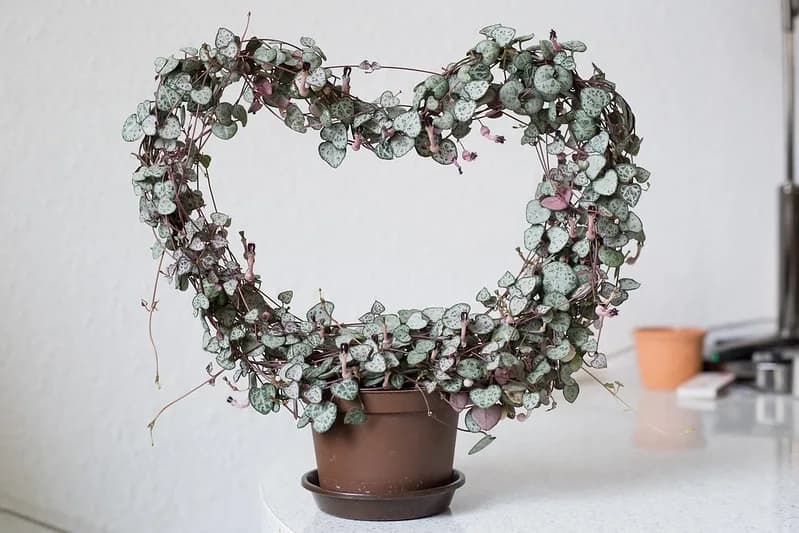
Tiny turtle-shell leaves on delicate trailing vines. A quiet beauty that rewards gentle hands.
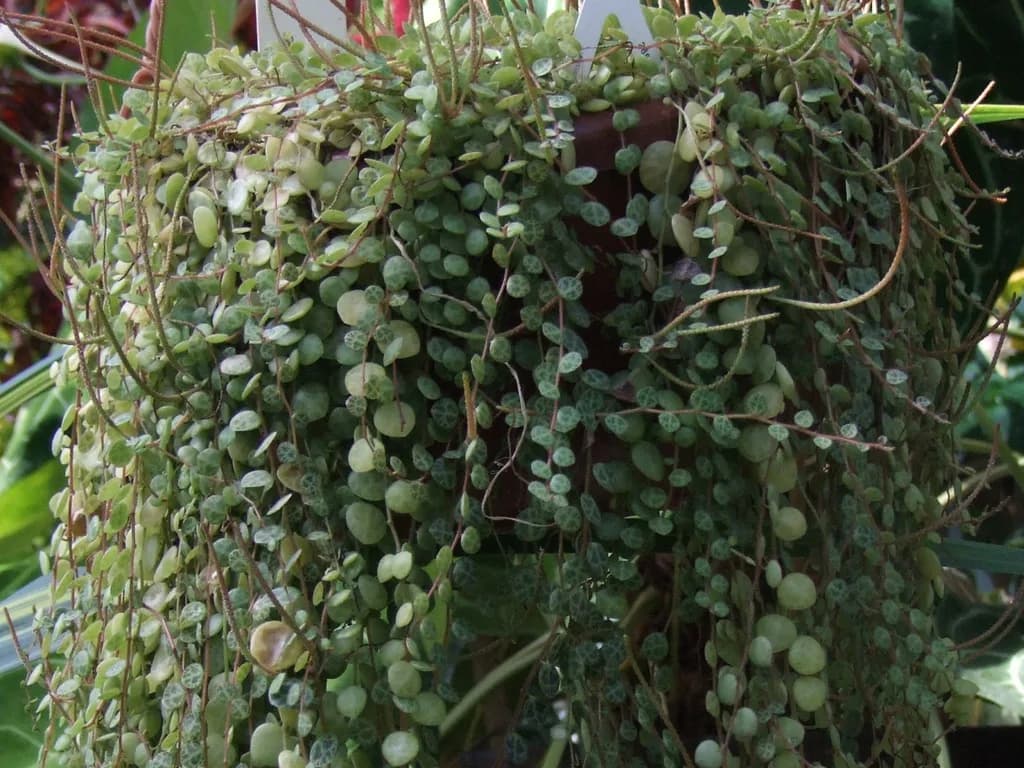
The String of Turtles (Peperomia prostrata) is a shy, delicate trailing plant with tiny leaves that genuinely look like miniature turtle shells - complete with intricate vein patterns. It is a slow grower that rewards patience and gentle care. The roots are tiny and fragile, making this plant more sensitive to overwatering than most. This string of turtles care guide will help you keep those charming little leaves healthy and thriving.
String of turtles is pet-safe and non-toxic, making it a wonderful choice for any household.
Light
Bright, indirect light is the sweet spot for string of turtles.
- Best: Bright indirect light from an east- or north-facing window
- Acceptable: Medium indirect light
- Avoid: Direct sunlight, which scorches the tiny leaves, and low light, which causes sparse, leggy growth
The intricate turtle-shell patterns on the leaves are most vivid in bright indirect light. Too little light causes the patterns to fade and the vines to stretch.
Watering
Careful watering is the most critical aspect of string of turtles care. The tiny roots rot easily.
- Frequency: Water every 10-14 days, letting the top half of the soil dry
- Method: Water lightly and evenly. Avoid soaking - this semi-succulent holds some moisture in its leaves
- The rule: When in doubt, wait another day. Underwatering is far safer than overwatering for this plant
Bottom watering works well for string of turtles. Place the pot in a shallow dish of water for 10-15 minutes, then remove and drain completely.
Humidity
Moderate humidity keeps string of turtles happy.
- Ideal range: 50-60%
- A pebble tray provides gentle ambient moisture
- Avoid heavy misting, which can sit on the tiny leaves and cause rot
- Terrariums and glass cabinets provide excellent humidity for this plant
Soil & Potting
Well-draining soil in a small, shallow pot is essential.
- Best mix: Standard potting mix with generous extra perlite (at least 50%)
- Pot: Very small, shallow pot with drainage holes. The root system is tiny and does not need depth
- Repotting: Rarely needed - this is a very slow grower. Only repot when the plant significantly outgrows its container
- Caution: Handle gently when repotting. The stems and roots are fragile
Common Problems
Mushy, translucent leaves - Overwatering. This is the most common cause of string of turtles decline. Reduce watering immediately, ensure the pot drains well, and let the soil dry out more between waterings.
Shriveled, flat leaves - Underwatering. Give a gentle bottom soak. The leaves should plump slightly within a day.
Fading leaf patterns - Insufficient light. Move to a brighter spot with indirect light to restore the vivid turtle-shell patterns.
Leaf drop - Can be caused by overwatering, cold temperatures, or stress from being moved. Check watering habits and ensure stable conditions above 15C.
Quick Reference
| Detail | Info |
|---|---|
| Light | Bright indirect |
| Water | Every 10-14 days, slight dry between |
| Humidity | 50-60% |
| Difficulty | Intermediate |
| Personality | Shy |
| Toxic to pets? | No - safe for cats and dogs |
Why String of Turtles Belongs in Your Collection
String of turtles is a plant for those who appreciate quiet beauty. Its Shy personality matches its care style - gentle, unhurried, and deeply rewarding when you get it right. Those tiny turtle-shell leaves are unlike anything else in the plant world. This string of turtles care guide shows that success comes down to careful watering and bright indirect light. Give it that, and this delicate trailing gem will slowly but surely win your heart.
Care reference
Need the full care profile for String of Turtles?
Check the encyclopedia for light, watering, soil, pet safety, and pot guidance - then use LeafLovers to fit it to your plant and home.
Free weekly plant care tips
Get personalised tips delivered to your inbox. No app needed, no spam, unsubscribe anytime.
No credit card. No tricks. No strings. Just plants.