Rosemary Care: Sun, Drainage and Indoor Limits
Give Salvia rosmarinus the bright, airy conditions it needs.
Quick questions
Can rosemary live indoors?
It can, but it needs very bright light, drainage and air movement; overwintering indoors can be difficult.
What is its botanical name?
Salvia rosmarinus is the current name; Rosmarinus officinalis is an older synonym.
How often should I water it?
Let the upper mix dry, then water thoroughly and drain. Check the pot rather than a calendar.
Why is my rosemary turning brown?
Inspect roots, pot moisture and stems. Wet roots are a common cause, but other problems can look similar.
Is rosemary toxic to cats and dogs?
ASPCA lists the plant as non-toxic under its older botanical name. Keep oils and sprays away from pets.
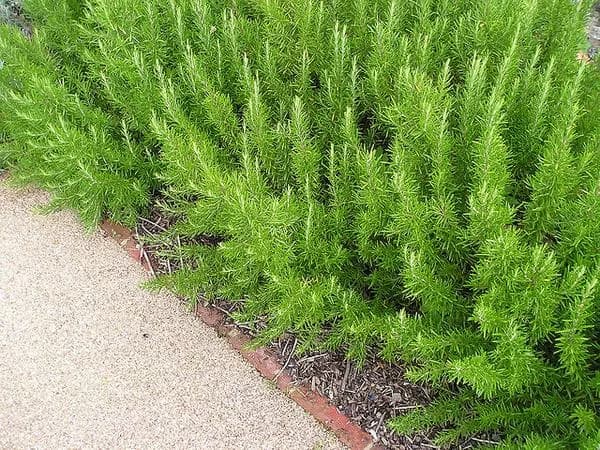
Rosemary is now botanically Salvia rosmarinus, though many labels still use Rosmarinus officinalis. The photograph shows an outdoor border; keeping a smaller plant indoors takes strong light and good air movement.
Find the brightest position
Give rosemary as much direct sun as you can. A dim window is unlikely to support dense growth. In a dark season, a suitable grow light may help. Allow air to move around the branches rather than crowding the pot among damp foliage.
Water by checking the pot
Use a gritty, fast-draining mix and a container with holes. Let the upper mix dry before watering thoroughly, then empty the saucer. Do not keep roots constantly wet, but do not rely on a fixed date either: indoor heat and pot size change drying time.
Harvest and problems
Snip green tips for cooking, leaving growth on the plant. Avoid cutting deeply into bare old wood when shaping. If the plant browns or wilts, inspect root moisture and the stems before adding water. Watch for aphids, mealybugs, whiteflies and mites indoors.
Pets
ASPCA lists rosemary under its older name Rosmarinus officinalis as non-toxic to cats and dogs. Concentrated rosemary oils and plant-care chemicals need separate safety checks.
Related LeafLovers guides
Sources for this guide
2 sources
Spotted something that needs correcting? Send a message.