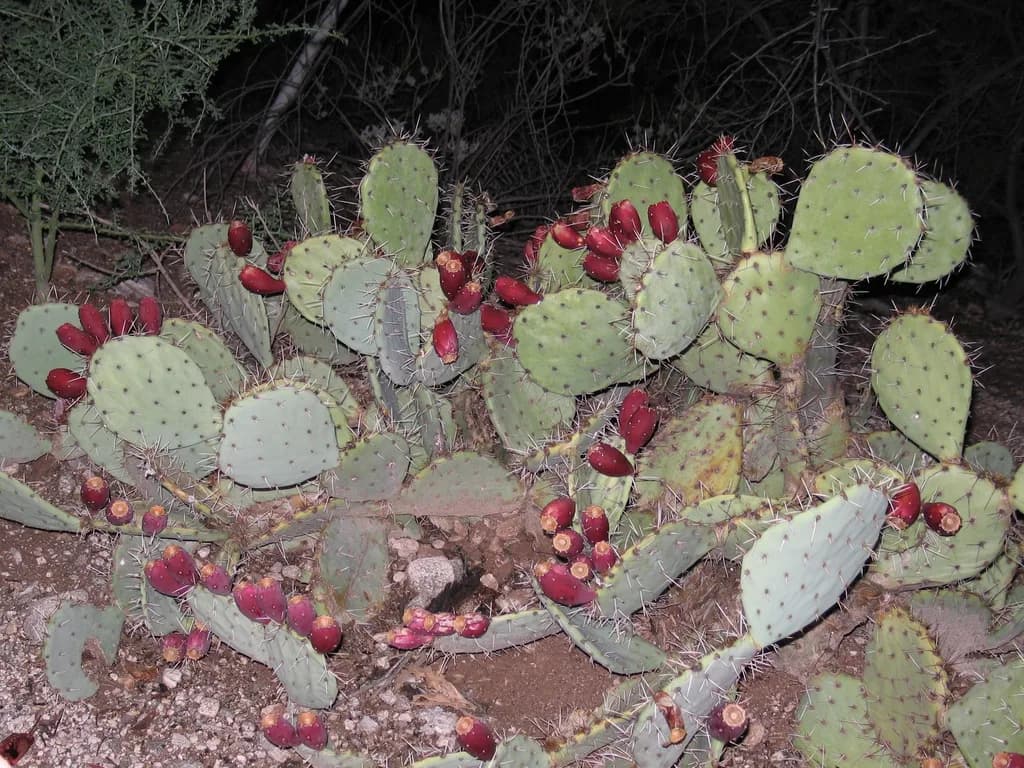
Prickly pear cactus with flat paddle-shaped pads
Care Guide

Prickly Pear Care Guide - Light, Water, Soil & Expert Tips

A tough, sculptural cactus that asks for almost nothing and gives you everything.

7 min read LeafLovers Plant Guides

Your Prickly Pear (Opuntia humifusa) is an Adventurous plant - tough, independent, and built for extremes. This iconic paddle cactus thrives on bright light and minimal water, making it one of the most low-maintenance plants you can own. Whether you grow it on a sunny windowsill or outdoors in a mild climate, this prickly pear care guide has you covered.

Light

Prickly Pear needs as much direct sunlight as you can give it. A south-facing windowsill is the ideal indoor spot. This is not a plant that tolerates shade - it evolved in open, sun-baked landscapes.

Signs of too little light: Etiolation - the pads stretch and become thin and pale, reaching toward the light. The plant loses its compact, sturdy shape. Signs of too much light: Essentially impossible indoors. Outdoors in extreme heat, pads may develop white sunburn patches, but this is rare.

If your home does not have a very sunny window, consider supplementing with a grow light. Prickly Pear really does need full sun to stay healthy and compact.

Watering

Water every 21 days in summer and every 35 days in winter - or even less. Prickly Pear stores water in its thick pads and can go weeks without a drink. When you do water, soak the soil thoroughly and then let it dry out completely before the next watering.

Signs of overwatering: Soft, mushy pads that may turn translucent or dark at the base. This is root rot and can kill the plant quickly. Signs of underwatering: Slightly wrinkled or shrivelled pads. This takes a long time to happen - Prickly Pear is incredibly drought-tolerant.

In winter, you can almost stop watering entirely. A cool, dry winter rest actually encourages flowering in spring. If your Prickly Pear is outdoors, rainfall is usually more than enough.

Humidity

Prickly Pear prefers 10-30% humidity - the drier, the better. This is a desert plant that actively dislikes moisture in the air. Keep it away from bathrooms, kitchens, and humidifiers.

Average indoor humidity (30-50%) is fine in most homes, but do not mist this plant. Ever. Moisture on the pads invites fungal problems.

Soil & Potting

Use a terracotta pot with excellent drainage - the porous material helps soil dry quickly. For soil, use cactus mix with extra grit, pumice, or coarse sand. The goal is fast drainage. Water should flow through the pot within seconds, not sit in the soil.

Prickly Pear has a shallow root system, so a wide, shallow pot works better than a deep one. Repot only when the plant has clearly outgrown its container - every 2-3 years at most.

Important: Always handle with thick leather gloves. Prickly Pear has both visible spines and tiny hair-like glochids that embed in skin and are very difficult to remove.

Common Problems

Mushy pads (root rot): Overwatering. Remove the affected pads with a clean, sharp knife. Let the cut dry for a few days, then repot in completely dry cactus mix. Do not water for at least a week after repotting.

Etiolation (stretching): Not enough light. Move to the sunniest spot you have. The stretched growth will not compact back down, but new growth will be normal. You can prune etiolated pads.

White cottony spots: Mealybugs - a common cactus pest. Remove with a cotton swab dipped in rubbing alcohol. Check all crevices between pads.

No flowers: Prickly Pear needs a cool, dry winter rest (10-15 degrees, minimal water) to trigger blooming. Without this dormancy period, it rarely flowers indoors.

Quick Reference

LightDirect sun
Water (summer)Every 21 days
Water (winter)Every 35 days (or less)
Humidity10-30%
DifficultyBeginner
PersonalityAdventurous
Pet safeYes

Why Prickly Pear Belongs in Your Collection

Prickly Pear is the ultimate set-and-forget plant. It asks for sunshine and almost nothing else. Its sculptural pads make a bold statement on a sunny windowsill, and if you give it a proper winter rest, it may reward you with stunning yellow flowers in spring. With LeafLovers reminding you just when it needs its occasional drink, you will never overwater this desert adventurer.

Care reference

Need the full care profile for Prickly Pear?

Check the encyclopedia for light, watering, soil, pet safety, and pot guidance - then use LeafLovers to fit it to your plant and home.

Open care guide

Free weekly plant care tips

Get personalised tips delivered to your inbox. No app needed, no spam, unsubscribe anytime.

No credit card. No tricks. No strings. Just plants.

Plant Doctor

AI diagnosis connected to your plant's actual care history. Personalized advice, not generic tips.

Get Plant Doctor

Identify a Plant

Snap a photo and instantly know what plant you have - plus how to care for it.

Identify now
Lightweight and fast
Your data stays yours
Plants with personality
Genuinely free to use

FREE TO USE

🌱Unlimited plants
πŸ””Smart reminders
πŸ“‹AI paste-to-add (10 free)
πŸ“šFull care guide library
πŸ“ΈPlant photo journal
πŸ“ŠExport all your data
Try LeafLovers Free

Your plants deserve better than a sticky note

Smart reminders that adapt to your pot size, light, and seasons.

πŸ’§Watering reminders that actually learn
🩺AI plant doctor with photo diagnosis
πŸ›‘οΈPet safety warnings on every plant
πŸ”’Your data stays yours - always exportable
Start Growing Free

No credit card. No tricks. Ready in 30 seconds.

LeafLovers dashboard showing weekly care, plants needing soil checks, and smart watering reminders