Mint Care: Moist Soil, Harvesting and Pet Safety
Keep a vigorous Mentha plant in its own pot and know what pets can reach.
Quick questions
Can mint grow indoors?
Yes, with enough useful light and a draining pot. Very dim positions give weaker growth.
Why keep mint in its own pot?
Its stems and rhizomes spread readily. A separate container helps contain it.
How often should I water mint?
Check below the surface and water when the mix begins to dry; let excess drain.
Where should I cut mint to harvest?
Cut a healthy stem tip above a pair of leaves, leaving growth to recover.
Is mint safe for cats and dogs?
No. ASPCA lists Mentha species as toxic to cats and dogs, especially after larger ingestions.
Is the pictured plant the same as every mint?
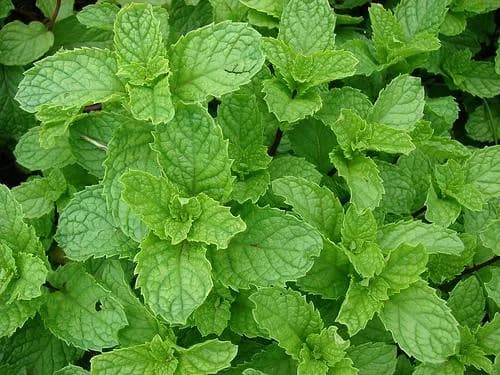
No. The photograph is spearmint, Mentha spicata; other Mentha species and cultivars differ.
Mint (Mentha) includes several kitchen herbs; the photograph shows spearmint (M. spicata). Read the label on your plant before using it in food. A pot helps contain mint's spreading stems and rhizomes.
Light and a place to spread
Give mint several hours of useful light. Spearmint grows in full sun or partial shade; a dim indoor corner will give weaker stems. Keep it in its own draining container if you do not want it running through a bed or neighbouring pots.
Water by checking the mix
Mint likes a moist but draining mix. Check just below the surface and water when it begins to dry, letting excess escape. A small pot in warm sun dries faster than a large pot indoors. Do not leave roots in standing water.
Harvest and renew
Take healthy stem tips above a leaf pair to encourage branching. Remove tired stems and allow new shoots to fill the pot. If roots crowd the container, divide a healthy plant and refresh the mix. Rinse culinary leaves before use and follow any spray label for edible herbs.
Check problems and pets
Yellowing may follow root stress, crowding or pests; inspect leaves and the mix before treating. ASPCA lists Mentha species as toxic to cats and dogs because of their essential oils, with vomiting or diarrhoea possible after large ingestions. Keep plants and concentrated mint oils away from pets.
Related LeafLovers guides
Sources for this guide
2 sources
Spotted something that needs correcting? Send a message.