Living Stones Care Guide - Light, Water, Soil & Expert Tips
These strange little succulents play by their own rules entirely.
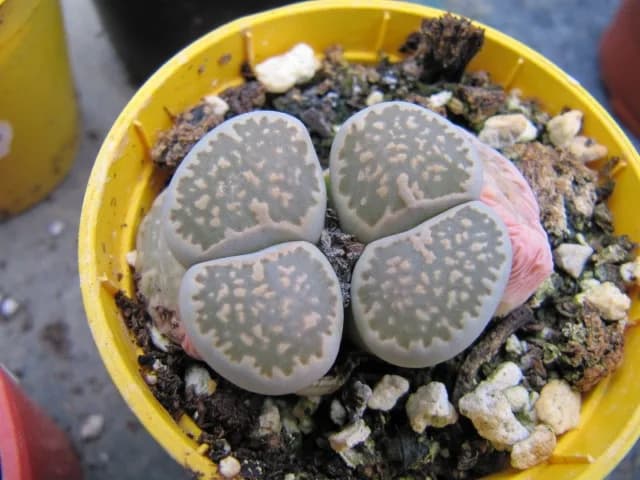
Lithops are unlike any other houseplant you will ever own. These small, stone-like succulents from southern Africa have evolved to disguise themselves as pebbles, and their care requirements are equally unusual. With their Mysterious personality, Living Stones operate on their own schedule and punish anyone who tries to impose a normal watering routine on them.
This living stones care guide is essential reading before you water a single drop. The number one killer of Lithops is overwatering, and their watering cycle is unlike any other plant you have cared for.
Light
Lithops need direct sunlight - and lots of it. A south-facing window is ideal, providing at least four to five hours of direct sun daily. Without sufficient light, Lithops elongate and lose their compact, stone-like shape. If you do not have a very sunny window, a grow light is strongly recommended. These are desert plants that evolved in full African sun.
Watering
This is the most critical section of this living stones care guide. Lithops have an annual cycle that dictates when you can and cannot water:
Growing season (roughly late summer through fall): Water sparingly every 30 to 60 days. Soak the soil completely and let it dry out entirely before watering again.
Splitting/regeneration (late winter through spring): Do NOT water at all. The old leaves are being absorbed by the new growth. Any water during this period can cause the plant to rot or produce stacked, deformed growth.
Summer dormancy: Very little to no water. An occasional light watering during extreme heat is acceptable, but err on the side of caution.
When in doubt, do not water. Lithops can survive months without water. They cannot survive overwatering.
Humidity
Lithops prefer very low humidity, around 10 to 20 percent. High humidity combined with any moisture is a recipe for rot. Ensure good air circulation around the plants. Bathrooms and kitchens are generally too humid for Lithops.
Soil & Potting
The soil mix is critical. Use a mostly inorganic mix - pumice, perlite, and coarse sand should make up 80 to 90 percent of the mix, with minimal organic material. Lithops need tiny pots with extreme drainage. Terra cotta is ideal because it wicks away excess moisture. The pot should be just large enough for the roots, which are deeper than you might expect.
Common Problems
Mushy, translucent plant: Fatal overwatering. Unfortunately, by the time Lithops look mushy, it is usually too late. Prevention is the only cure.
Elongated, tall growth: Not enough light. The plant is stretching toward light. Increase direct sun exposure immediately.
Stacked growth (old leaves not absorbing): Watering during the splitting phase. Stop watering and let the process complete naturally.
Wrinkled sides: This is actually normal and often means the plant needs water - but only if it is the right time in the cycle. Check which phase your Lithops is in before watering.
Quick Reference
| Need | Details |
|---|---|
| Light | Direct sun, 4-5+ hours daily |
| Water | Every 30-60 days (growing season only) |
| Humidity | 10-20% |
| Soil | 80-90% inorganic (pumice, perlite, coarse sand) |
| Toxicity | Non-toxic (pet-safe) |
| Difficulty | Intermediate |
Why Living Stones Belong in Your Collection
Lithops are conversation starters like no other plant. Their stone-like camouflage, annual splitting cycle, and daisy-like flowers are endlessly fascinating. This living stones care guide should make one thing clear: if you can master the art of not watering, you can grow Lithops successfully. They reward patience and restraint with years of quiet, mysterious beauty.
Care reference
Need the full care profile for Living Stones?
Check the encyclopedia for light, watering, soil, pet safety, and pot guidance - then use LeafLovers to fit it to your plant and home.
Free weekly plant care tips
Get personalised tips delivered to your inbox. No app needed, no spam, unsubscribe anytime.
No credit card. No tricks. No strings. Just plants.