Lavender Care Guide - Light, Water, Soil & Expert Tips
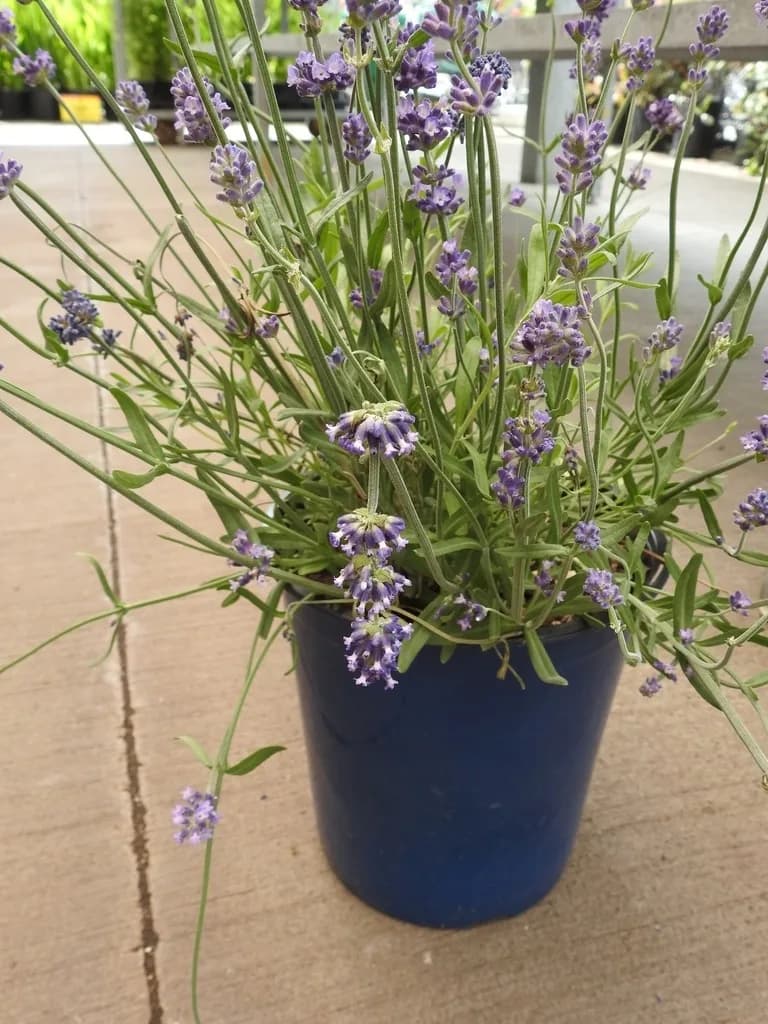
Mediterranean calm in a terracotta pot. Maximum sunlight, minimal fuss, beautiful fragrance.
Lavender (Lavandula) brings the calm of a Mediterranean hillside into your home - fragrant foliage, beautiful purple flowers, and a Zen-like presence. But growing lavender indoors is a challenge because this plant craves maximum sunlight and excellent drainage. This lavender care guide shows you how to give this aromatic herb what it needs to thrive inside.
Lavender is completely non-toxic and safe for pets and children.
Light
Lavender needs as much light as you can possibly give it indoors.
- Best: Direct sunlight, 6-8 hours daily. A south-facing window is essential
- Supplemental: A grow light can extend light hours during winter
- Avoid: Anything less than bright direct light - lavender will become leggy, stop flowering, and eventually decline
This is the most important aspect of indoor lavender care. If you cannot provide a very bright, sunny window, lavender may not be the right indoor plant for your space.
Watering
Lavender is drought-tolerant and hates wet feet.
- Summer: Water every 10-14 days when the soil is fully dry
- Winter: Water every 14-21 days or even less
- The rule: Let the soil dry out completely between waterings. Lavender is far more likely to die from overwatering than underwatering
Water at the base of the plant, not over the foliage. Wet leaves combined with poor air circulation can lead to fungal issues.
Humidity
Low humidity is actually preferred.
- Ideal range: 20-40%
- Do not mist lavender
- Good air circulation is important - a gentle fan or open window helps
- Avoid humid rooms like bathrooms
Lavender is a Mediterranean plant adapted to dry, breezy conditions. Indoor humidity that is too high promotes fungal problems.
Soil & Potting
Fast-draining, slightly alkaline soil is critical.
- Best mix: Potting soil mixed with coarse sand and perlite (roughly 50/50 soil to drainage materials)
- Pot: Terracotta with drainage holes - terracotta breathes and wicks away moisture
- pH: Slightly alkaline. You can add a small amount of lime to the mix
- Repotting: Every 1-2 years, or when rootbound
Never use moisture-retentive potting mix. The roots must dry quickly between waterings.
Common Problems
Leggy, stretched growth with few flowers - Almost always insufficient light. Lavender needs maximum direct sunlight. Consider adding a grow light or moving to a sunnier window.
Root rot and wilting - Overwatering or poor drainage. Let the soil dry completely, improve drainage by adding more sand and perlite, and ensure the pot has drainage holes.
Gray, fuzzy mold on leaves - Fungal issue caused by high humidity and poor air circulation. Improve airflow, reduce watering, and remove affected leaves.
Woody, bare stems at base - Natural aging. Prune lightly after flowering to keep growth compact, but avoid cutting into old, bare wood - lavender does not regenerate from woody stems.
Quick Reference
| Detail | Info |
|---|---|
| Light | Direct sun, 6-8 hours daily |
| Water | Every 10-16 days, dry out completely |
| Humidity | 20-40% - dry preferred |
| Difficulty | Intermediate |
| Personality | Zen |
| Toxic to pets? | No - safe for cats and dogs |
Why Lavender Belongs in Your Collection
Few plants engage the senses like lavender. The fragrance alone - from both the flowers and the foliage - makes it worth the effort. Its Zen personality matches the calming atmosphere it creates. This lavender care guide makes one thing clear: give it maximum light, fast-draining soil, and let it dry between waterings. If you can provide a very sunny windowsill, lavender will reward you with beauty and fragrance that no other houseplant can match.
Care reference
Need the full care profile for Lavender?
Check the encyclopedia for light, watering, soil, pet safety, and pot guidance - then use LeafLovers to fit it to your plant and home.
Free weekly plant care tips
Get personalised tips delivered to your inbox. No app needed, no spam, unsubscribe anytime.
No credit card. No tricks. No strings. Just plants.