Kalanchoe Care Guide - Light, Water, Soil & Expert Tips
A cheerful bloomer in every color of the rainbow - and it can bounce back for an encore.
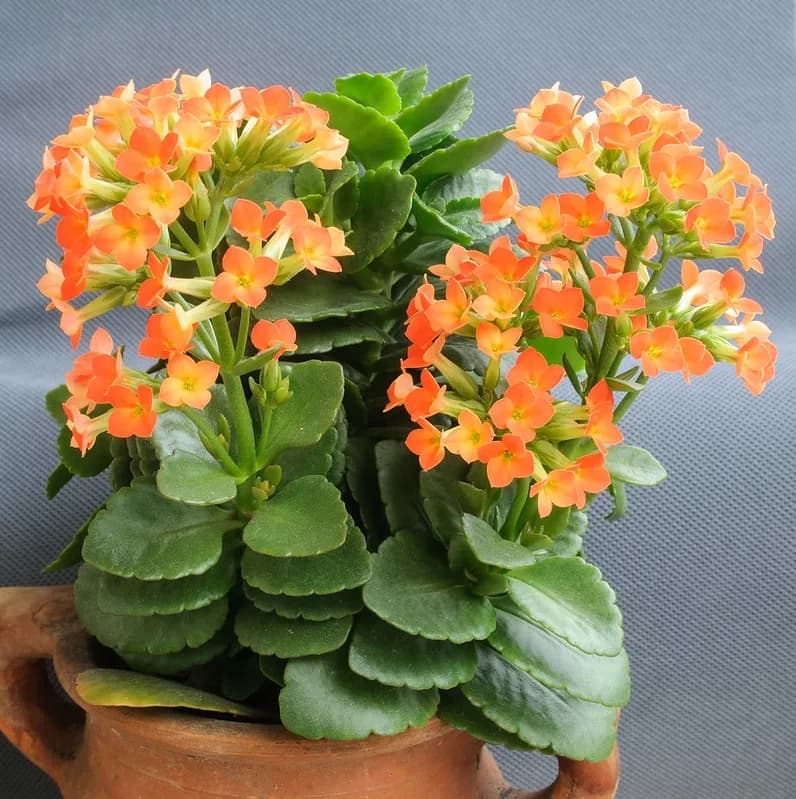
Your Kalanchoe is a Cheerful plant that brings a burst of color to any bright windowsill. Available in reds, pinks, oranges, yellows, and whites, these compact succulents are often sold as disposable gift plants - but with the right care, they can rebloom season after season. This kalanchoe care guide will help you get the most out of this colorful little powerhouse.
Light
Kalanchoe needs bright light with some direct sun. A south or west-facing window is ideal. Without enough light, the plant becomes leggy and will not produce flowers.
During the blooming period, bright indirect light keeps flowers lasting longer. After the blooms fade, move the plant back to a sunny window to build energy for the next cycle.
Watering
Water your Kalanchoe every 17 days in summer and every 21 days in winter. As a succulent, it stores water in its thick, fleshy leaves and needs much less water than most houseplants. Let the soil dry out completely between waterings.
Overwatering is the most common killer. The leaves will become soft, mushy, and yellowish. If the stem base turns dark and mushy, root rot has set in. When in doubt, skip the watering - Kalanchoe handles drought much better than excess moisture.
Humidity
Kalanchoe prefers dry air - 20-40% humidity is perfect. It is a succulent that evolved in arid conditions and does not appreciate humid environments. Normal household air, even in winter, is typically fine. Never mist this plant.
Soil & Potting
Use a cactus or succulent mix with excellent drainage. Kalanchoe prefers a snug pot - slightly rootbound is fine. The soil should dry out within a few days of watering.
A terracotta pot with drainage holes is ideal. Avoid plastic pots that retain moisture. Repot every 1-2 years or when the plant outgrows its container.
Common Problems
No reblooming: Kalanchoe is a short-day plant that needs extended darkness to trigger new blooms. After flowers fade, give it 14 hours of uninterrupted darkness per day for about 6 weeks (cover with a box or move to a dark closet in the evening). Continue normal light during the day. This mimics shorter autumn days and triggers a new bloom cycle.
Leggy growth: Not enough light. Move to a sunnier window. After flowering, prune back leggy stems to encourage compact regrowth.
Mushy leaves and stems: Overwatering. Let the soil dry completely and check for root rot. Cut away any rotten sections.
Leaf spots: Could be fungal issues from overwatering or wet leaves. Improve drainage and water only at the soil level.
Toxicity
Kalanchoe is toxic to cats and dogs. It contains bufadienolides that can cause vomiting, diarrhea, and in rare cases, heart rhythm abnormalities in pets. Keep it well out of reach of animals.
Quick Reference
| Light | Bright (direct sun OK) |
|---|---|
| Water (summer) | Every 17 days |
| Water (winter) | Every 21 days |
| Humidity | 20-40% |
| Difficulty | Beginner |
| Personality | Cheerful |
| Toxic | Toxic to cats and dogs |
Why Kalanchoe Belongs in Your Collection
Kalanchoe proves that succulents are not just about green - this plant brings genuine color and cheer to bright windows. With this kalanchoe care guide and LeafLovers keeping track of your care schedule and seasonal adjustments, you can enjoy its vibrant blooms not just once but season after season.
Care reference
Need the full care profile for Kalanchoe?
Check the encyclopedia for light, watering, soil, pet safety, and pot guidance - then use LeafLovers to fit it to your plant and home.
Free weekly plant care tips
Get personalised tips delivered to your inbox. No app needed, no spam, unsubscribe anytime.
No credit card. No tricks. No strings. Just plants.