Hoya Care Guide - Light, Water, Soil & Expert Tips
A mysterious collector's favourite that rewards patience with the most beautiful flowers.
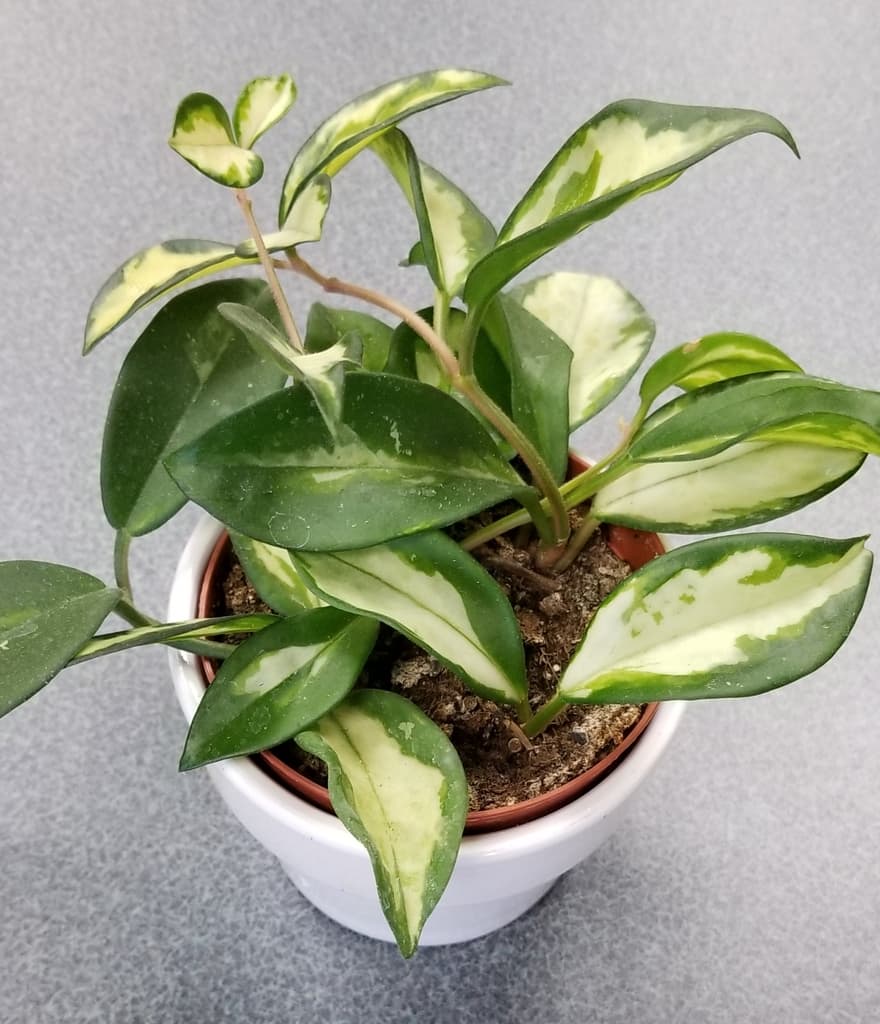
Your Hoya is a mysterious beauty with a devoted following. Known for its thick, waxy leaves and absolutely stunning star-shaped flower clusters that smell incredible, Hoya rewards patient plant parents with one of the most remarkable blooming experiences in the houseplant world. With hundreds of collectible varieties, Hoya is a plant you fall in love with. This Hoya care guide covers everything you need to encourage those coveted blooms and keep your plant thriving.
Light
Hoya thrives in bright, indirect light. A few hours of gentle direct morning sun can actually encourage blooming. It tolerates medium light but will not flower without sufficient brightness, and growth slows significantly in low light.
An east-facing window is ideal for most Hoya varieties, delivering the morning sun they love without the harsh afternoon intensity. In winter, consider shifting your Hoya to the brightest window in your home - the reduced daylight hours make every bit of available light more important for maintaining healthy growth and setting the stage for future blooms.
Signs of too much light: Yellowed, bleached, or scorched leaves. Afternoon direct sun is usually too intense.
Signs of too little light: No flowers, slow growth, leggy vines with sparse leaves.
Watering
Water your Hoya roughly every 12 days in summer and every 16 days in winter. Let the soil dry out between waterings - Hoya's thick, waxy leaves store water, and the plant is quite drought-tolerant. You can use the finger test by pushing into the top 3-4 cm of the mix; if it feels dry, water thoroughly until it drains from the bottom.
In fact, a period of slightly drier conditions can actually trigger blooming. Hoya tends to flower when it feels a little stress - not neglect, but the gentle nudge of drying out a bit. Because Hoya is often potted in a chunky bark mix, the medium dries faster than standard soil, so check moisture levels rather than relying purely on a calendar.
Signs of overwatering: Yellow leaves, mushy stems, root rot.
Signs of underwatering: Wrinkled, soft leaves that plump back up after watering.
Humidity
Hoya enjoys 40-60% humidity. It adapts to average home conditions but appreciates a boost in dry winter air. Higher humidity can encourage those beautiful flower buds. Grouping your Hoya with other tropical plants or placing it on a pebble tray helps raise the local humidity without much effort.
Soil & Potting
Hoya thrives when rootbound - a tight pot actually encourages blooming. This is one of those plants where keeping it in a snug pot is a strategy, not neglect.
Use a very well-draining orchid or aroid mix. Hoya roots need air circulation. A blend of orchid bark, perlite, and some potting soil works perfectly. Many Hoya growers use pure orchid mix or even mount them on bark.
Never cut the flower stalks (peduncles) after the flowers fade - Hoya blooms repeatedly from the same stalks. This is one of the most important things to remember in any hoya care guide, as cutting spent peduncles removes future flowering points and delays the next bloom significantly.
Common Problems
No flowers: The most common frustration. Hoya needs bright light, a rootbound pot, maturity (some take years to first bloom), and possibly a slightly drier rest period. Be patient - this is a plant that rewards time.
Yellow leaves: Overwatering or too much direct sun. Check soil moisture and light exposure.
Leggy vines: Not enough light. Move to a brighter spot and consider providing a trellis for the vines to climb.
Mushy stems: Root rot from overwatering or poor drainage. Cut away affected tissue and repot in fast-draining mix. Water less frequently.
Mealybugs: Hoya can attract mealybugs, which hide in leaf axils and along stems as small white cottony clusters. Check regularly, especially when new growth appears, and treat with a cotton swab dipped in rubbing alcohol or a neem oil spray.
Quick Reference
| Care Need | Details |
|---|---|
| Light | Bright indirect, some morning sun |
| Water (summer) | Every 12 days |
| Water (winter) | Every 16 days |
| Humidity | 40-60% |
| Difficulty | Intermediate |
| Personality | Mysterious |
| Toxic | Safe for pets and children |
Why Hoya Belongs in Your Collection
Hoya is pet-safe, collectible, and produces the most stunning, fragrant flowers you will ever see on a houseplant. Its Mysterious personality keeps you guessing - when will it bloom? How many varieties can you collect? From the classic Hoya carnosa to the heart-shaped Hoya kerrii and the splashed Hoya pubicalyx, there is a variety for every taste. This Hoya care guide is your starting point, but the Hoya rabbit hole goes deep. With LeafLovers care reminders, you will give it the consistent care it needs while waiting for that magical first bloom.
Care reference
Need the full care profile for Hoya?
Check the encyclopedia for light, watering, soil, pet safety, and pot guidance - then use LeafLovers to fit it to your plant and home.
Free weekly plant care tips
Get personalised tips delivered to your inbox. No app needed, no spam, unsubscribe anytime.
No credit card. No tricks. No strings. Just plants.