Grape Ivy Care: A Trailing Cissus Vine
Give Cissus alata filtered light and room to climb or hang.
Quick questions
Is grape ivy a true ivy?
No. Cissus alata is in the grape family and climbs with tendrils.
Can grape ivy grow in low light?
It tolerates some shade, but bright indirect light supports fuller growth.
Why is it dropping leaves?
Check the mix and roots; both overly dry and overly wet conditions can cause leaf drop.
Can I prune long vines?
Yes. Prune to shape and give tendrils a support if you want it to climb.
Is Cissus alata pet-safe?
A species-specific veterinary listing was not confirmed, so keep it out of reach.
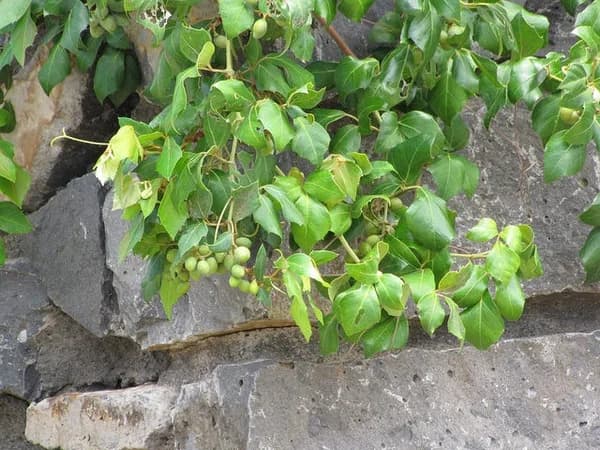
Grape ivy (Cissus alata, often labelled C. rhombifolia) is a vine with three-part leaves and little tendrils. It can soften a shelf edge or climb a trellis. Check the botanical name: other unrelated vines are also called grape ivy.
A bright, sheltered place
Give bright indirect light. It tolerates some shade, but a very dark corner may thin the growth. Avoid cold draughts and keep the pot above about 10°C.
Water through the seasons
Use a draining pot and a mix that holds some moisture without staying soggy. Check below the surface and water when the upper mix begins to dry. Let excess drain. In winter, when growth slows, check less often. Leaves can fall after either an overly dry or overly wet spell, so feel the mix before changing your routine.
Train and inspect
Prune long stems to shape the vine. Give tendrils something to catch if you want it to climb. Inspect for mealybugs, scale and spider mites, especially on leaf undersides. Isolate a pest-affected plant and identify the pest before treating.
Pets
A species-specific veterinary safety listing was not confirmed. Keep the vine out of reach rather than assuming that “ivy” or “grape” tells you whether it is safe.
Related LeafLovers guides
Sources for this guide
1 source
Spotted something that needs correcting? Send a message.