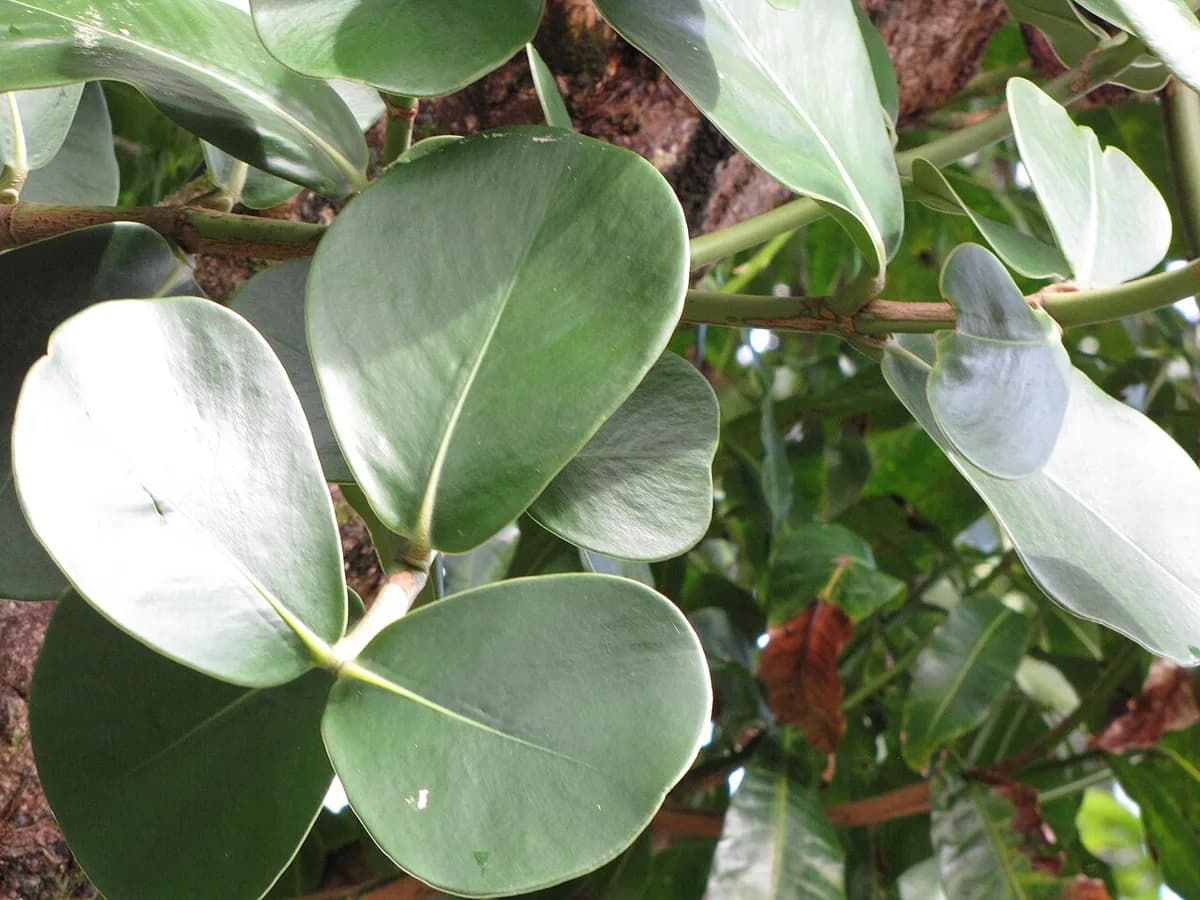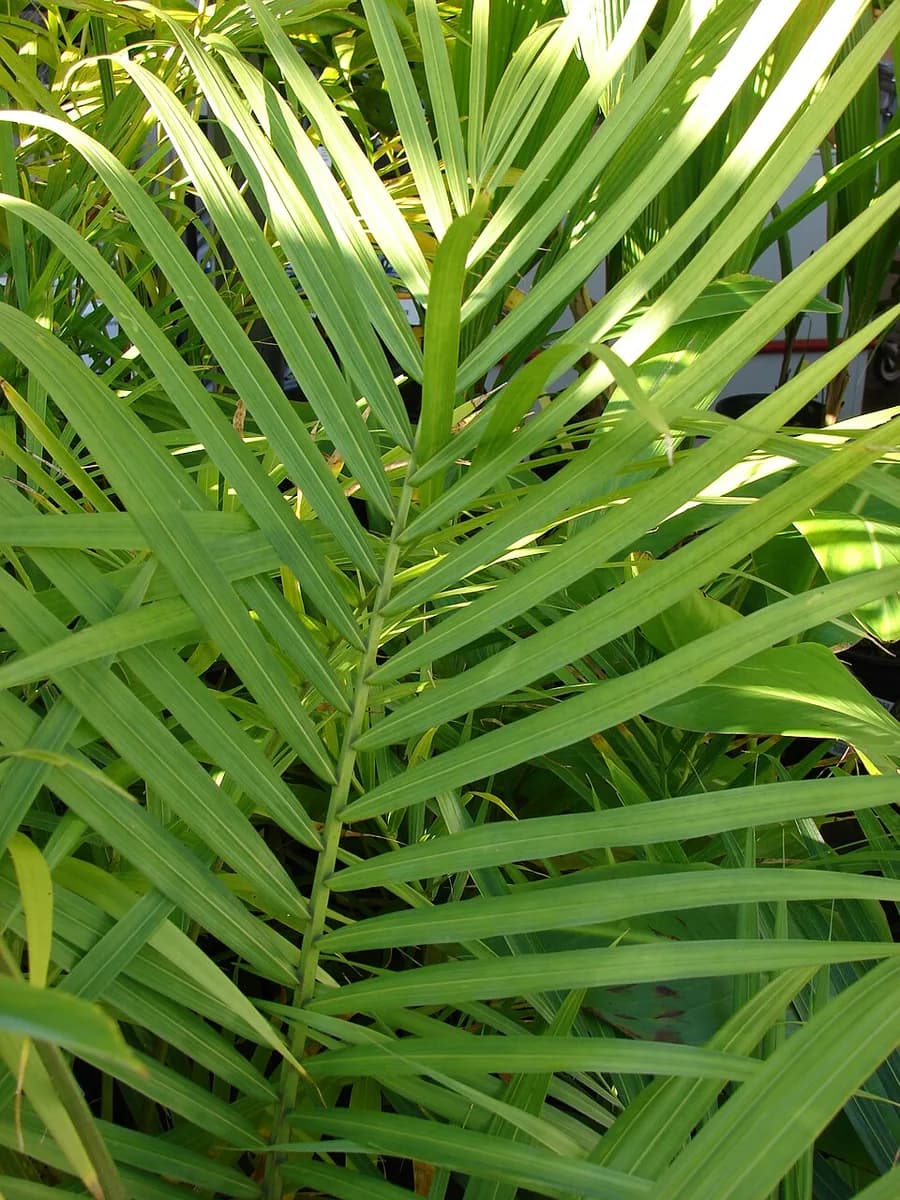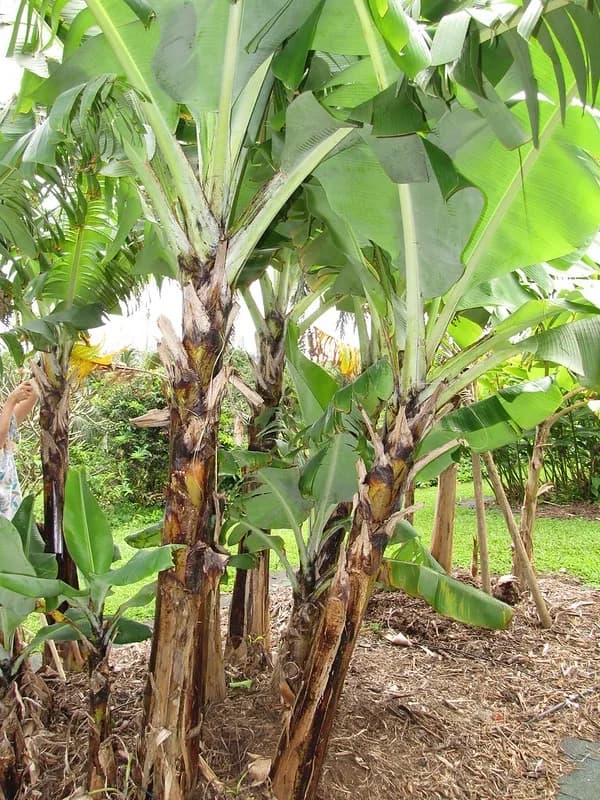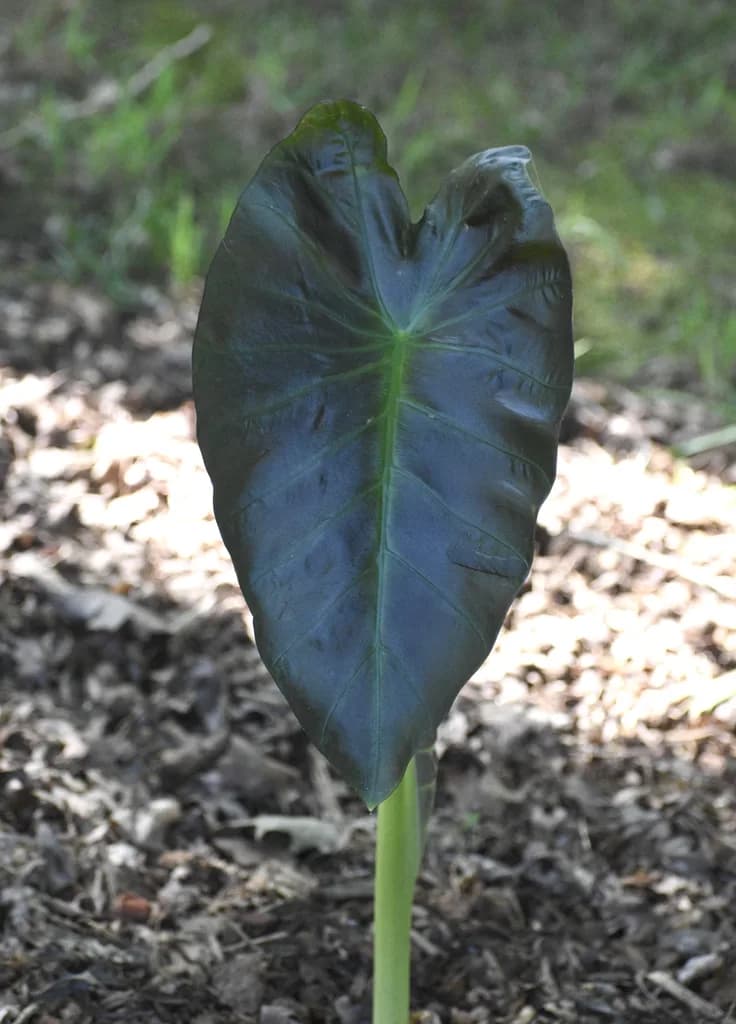
Elephant ear plant with massive tropical leaves
Care Guide

Elephant Ear Care Guide - Light, Water, Soil & Expert Tips

Massive leaves, massive thirst, massive presence. This tropical giant does not do anything small.

7 min read LeafLovers Plant Guides

The Elephant Ear (Colocasia esculenta) is a tropical heavyweight that lives up to its name - enormous, heart-shaped leaves that can grow over a meter wide in the right conditions. This is a plant for adventurous growers who want dramatic impact and are willing to provide the water and humidity it demands. This elephant ear care guide covers everything you need for these impressive tropical statement plants.

Light

Elephant ears want bright, generous light.

  • Best: Bright indirect light with some filtered direct sun
  • Acceptable: A few hours of direct morning sun
  • Avoid: Low light - the leaves will shrink, stems will weaken, and the plant will struggle

Outdoors, elephant ears can handle full sun, but indoors the light through glass is gentler. Give them the brightest spot you have.

Watering

Elephant ears are very heavy drinkers - among the thirstiest houseplants you can grow.

  • Summer: Water every 5-7 days, or whenever the top centimeter of soil dries. Some growers keep them in standing water
  • Winter: Reduce watering. The plant may go dormant, dropping leaves and resting
  • The rule: Keep the soil consistently moist to wet during the growing season. Elephant ears can even grow in standing water outdoors

These plants are native to wetlands. Unlike most houseplants, you can barely overwater them during active growth - underwatering is the bigger risk.

Humidity

High humidity is essential for keeping those massive leaves in top condition.

  • Ideal range: 60-80%
  • Use a humidifier near the plant
  • Misting helps but is not enough on its own
  • Grouping with other tropicals creates a beneficial microclimate

Low humidity causes brown, crispy leaf edges - very noticeable on such large leaves.

Soil & Potting

Elephant ears need rich, moisture-retentive soil in a large pot.

  • Best mix: Rich potting mix with compost and some perlite. Moisture-retaining is actually desired here
  • Pot: Large and deep. These plants develop substantial root systems and tubers
  • Feeding: Heavy feeder - fertilize every 2 weeks during the growing season
  • Repotting: Annually in spring as the plant sizes up

Common Problems

Drooping leaves - Almost always underwatering. Give the plant a thorough soak. Elephant ears droop dramatically when thirsty but recover quickly once watered.

Yellowing and dropping leaves in winter - This may be normal dormancy. Colocasia can go dormant in winter, losing all leaves. Reduce watering and keep the tuber barely moist until spring. New growth will emerge when conditions warm.

Brown, crispy leaf edges - Low humidity or underwatering. Increase humidity and check that the soil stays consistently moist.

Small new leaves - Insufficient light or nutrients. Move to a brighter spot and increase feeding frequency.

Toxicity

Elephant ears are moderately toxic to cats, dogs, and children. All parts of the plant contain calcium oxalate crystals that cause mouth and throat irritation if chewed. Keep out of reach of pets and small children.

Quick Reference

DetailInfo
LightBright indirect, some direct sun
WaterEvery 5-12 days, keep evenly moist
Humidity60-80% - high humidity essential
DifficultyIntermediate
PersonalityAdventurous
Toxic to pets?Moderately toxic to cats, dogs, children

Why Elephant Ear Belongs in Your Collection

No plant creates a tropical statement quite like an elephant ear. Those massive, dramatic leaves transform any room into a lush oasis. Yes, it drinks a lot and demands humidity. But for adventurous plant parents who want impact, this elephant ear care guide shows the way. Feed it, water it generously, and watch those leaves grow to jaw-dropping proportions.

Care reference

Need the full care profile for Elephant Ear?

Check the encyclopedia for light, watering, soil, pet safety, and pot guidance - then use LeafLovers to fit it to your plant and home.

Open care guide

Free weekly plant care tips

Get personalised tips delivered to your inbox. No app needed, no spam, unsubscribe anytime.

No credit card. No tricks. No strings. Just plants.

Plant Doctor

AI diagnosis connected to your plant's actual care history. Personalized advice, not generic tips.

Get Plant Doctor

Identify a Plant

Snap a photo and instantly know what plant you have - plus how to care for it.

Identify now
Lightweight and fast
Your data stays yours
Plants with personality
Genuinely free to use

FREE TO USE

🌱Unlimited plants
πŸ””Smart reminders
πŸ“‹AI paste-to-add (10 free)
πŸ“šFull care guide library
πŸ“ΈPlant photo journal
πŸ“ŠExport all your data
Try LeafLovers Free

Your plants deserve better than a sticky note

Smart reminders that adapt to your pot size, light, and seasons.

πŸ’§Watering reminders that actually learn
🩺AI plant doctor with photo diagnosis
πŸ›‘οΈPet safety warnings on every plant
πŸ”’Your data stays yours - always exportable
Start Growing Free

No credit card. No tricks. Ready in 30 seconds.

LeafLovers dashboard showing weekly care, plants needing soil checks, and smart watering reminders