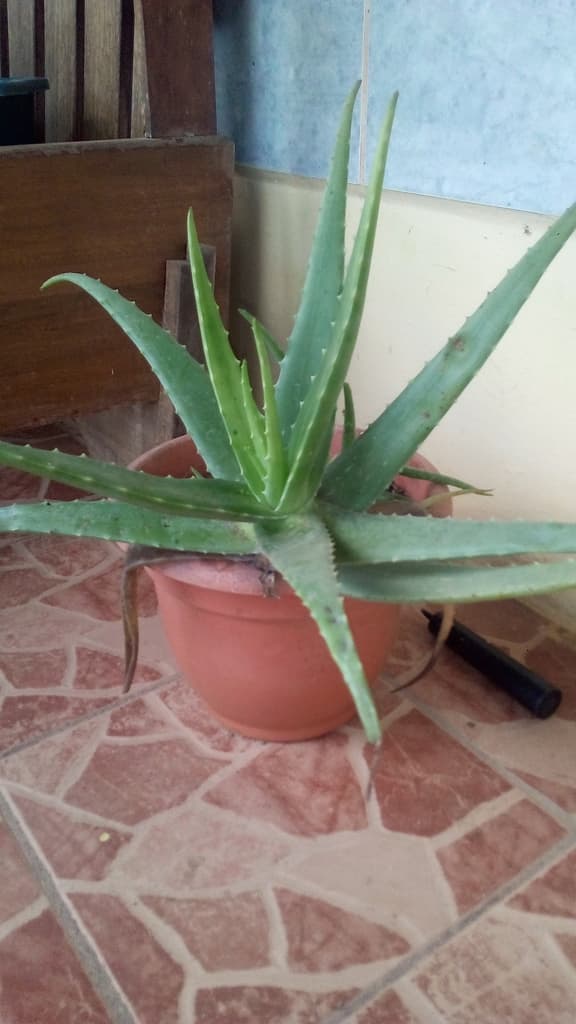
Healthy aloe vera plant in natural light
Care Guide

Aloe Vera Care Guide - Light, Water, Soil & Expert Tips

A zen succulent that heals your burns and asks for almost nothing in return.

7 min read LeafLovers Plant Guides

Your Aloe Vera (Aloe vera) is a zen plant through and through - calm, self-sufficient, and quietly useful. That soothing gel inside its leaves has been used for centuries for minor burns and skin care, and the plant itself is wonderfully low-maintenance. This Aloe Vera care guide will help you keep it plump, healthy, and ready for anything.

Light

Aloe Vera loves bright light and can handle some direct sun - it is a desert plant at heart. A south- or west-facing windowsill is ideal. It can tolerate indirect light, but growth will be slower and the leaves may become leggy and thin.

If your Aloe has been in low light, introduce it to brighter conditions gradually to avoid sunburn. Move it a little closer to the window each week rather than placing it straight into full sun. In winter, when natural light weakens, consider shifting the pot to your brightest windowsill to compensate for the shorter days.

Signs of too much light: Red or brown discolouration (a little is normal sun-stress; a lot means scorching). In hot summer sun, some shade during the hottest hours helps.

Signs of too little light: Thin, elongated leaves reaching toward the window, pale colour, leggy growth.

Watering

This is the most critical part of Aloe Vera care. Water roughly every 17 days in summer and every 21 days in winter. Let the soil dry out completely between waterings - Aloe stores water in its thick leaves and is far more likely to be killed by overwatering than underwatering.

When you water, soak the soil thoroughly and let it drain completely. Never let Aloe sit in water. If in doubt, wait a few more days before watering. A reliable way to check is to push your finger several centimeters into the soil - if it feels even slightly moist at that depth, hold off. In winter, Aloe's growth slows considerably and it uses much less water, so stretching the interval to three weeks or more is perfectly safe. Use room-temperature water rather than cold water, which can shock the roots.

Signs of overwatering: Mushy, translucent leaves, brown soft spots, root rot. This is the number one killer.

Signs of underwatering: Thin, curling leaves, dry brown tips (rare - Aloe is very drought-tolerant).

Humidity

Aloe Vera thrives in dry conditions - 20-40% humidity is perfect. It does not need any humidity boosting and actually prefers the dry air of most homes. Never mist an Aloe.

Soil & Potting

Drainage is everything for Aloe Vera. Use a cactus or succulent mix - never regular potting soil, which holds too much moisture. Adding extra perlite or coarse sand improves drainage further.

Terracotta pots are ideal because they are porous and wick moisture away from the roots. Always use a pot with drainage holes. Avoid decorative pots without drainage, even if they look appealing - trapped water at the bottom is a recipe for rot.

Aloe does not need frequent repotting. Every 2-3 years is fine, or when it becomes top-heavy and unstable. When you do repot, let the plant sit in dry soil for a few days before watering to allow any disturbed roots to heal.

Common Problems

Mushy leaves: Overwatering. The most common mistake with Aloe. Stop watering, let the soil dry completely, and check roots for rot. Cut away any mushy tissue.

Brown, dry leaf tips: Usually underwatering (rare) or sunburn from sudden exposure to intense direct sun.

Leggy, stretched growth: Not enough light. Move to a brighter spot and the new growth will be more compact.

Pups everywhere: Not a problem, but a feature. Aloe produces baby plants (pups) at its base. Remove and repot them to grow your collection.

Leaf scarring from physical contact: Aloe leaves can develop permanent brown marks if knocked or pressed against a wall or window frame. Choose a spot where the leaves have room to spread without touching hard surfaces.

Toxicity

Aloe Vera is mildly toxic to cats and dogs. While the gel is safe for human skin, ingestion by pets can cause vomiting and diarrhea. Keep it on a high shelf or windowsill away from curious pets.

Quick Reference

Care NeedDetails
LightBright, tolerates some direct sun
Water (summer)Every 17 days
Water (winter)Every 21 days
Humidity20-40%
DifficultyBeginner
PersonalityZen
ToxicMild - cats, dogs

Why Aloe Vera Belongs in Your Collection

The gel inside Aloe leaves is genuinely useful for minor burns and skin irritation - it is a plant with purpose. Its Zen personality means it thrives on simplicity and rewards you for watering less. With LeafLovers, you can track its care with gentle reminders and never worry about overwatering again. This Aloe Vera care guide proves that the best plants are often the easiest ones.

Care reference

Need the full care profile for Aloe Vera?

Check the encyclopedia for light, watering, soil, pet safety, and pot guidance - then use LeafLovers to fit it to your plant and home.

Open care guide

Free weekly plant care tips

Get personalised tips delivered to your inbox. No app needed, no spam, unsubscribe anytime.

No credit card. No tricks. No strings. Just plants.

Plant Doctor

AI diagnosis connected to your plant's actual care history. Personalized advice, not generic tips.

Get Plant Doctor

Identify a Plant

Snap a photo and instantly know what plant you have - plus how to care for it.

Identify now
Lightweight and fast
Your data stays yours
Plants with personality
Genuinely free to use

FREE TO USE

🌱Unlimited plants
πŸ””Smart reminders
πŸ“‹AI paste-to-add (10 free)
πŸ“šFull care guide library
πŸ“ΈPlant photo journal
πŸ“ŠExport all your data
Try LeafLovers Free

Your plants deserve better than a sticky note

Smart reminders that adapt to your pot size, light, and seasons.

πŸ’§Watering reminders that actually learn
🩺AI plant doctor with photo diagnosis
πŸ›‘οΈPet safety warnings on every plant
πŸ”’Your data stays yours - always exportable
Start Growing Free

No credit card. No tricks. Ready in 30 seconds.

LeafLovers dashboard showing weekly care, plants needing soil checks, and smart watering reminders