Alocasia Care Guide - Light, Water, Soil & Expert Tips
A dramatic showstopper with arrow-shaped leaves that demand - and deserve - your attention.
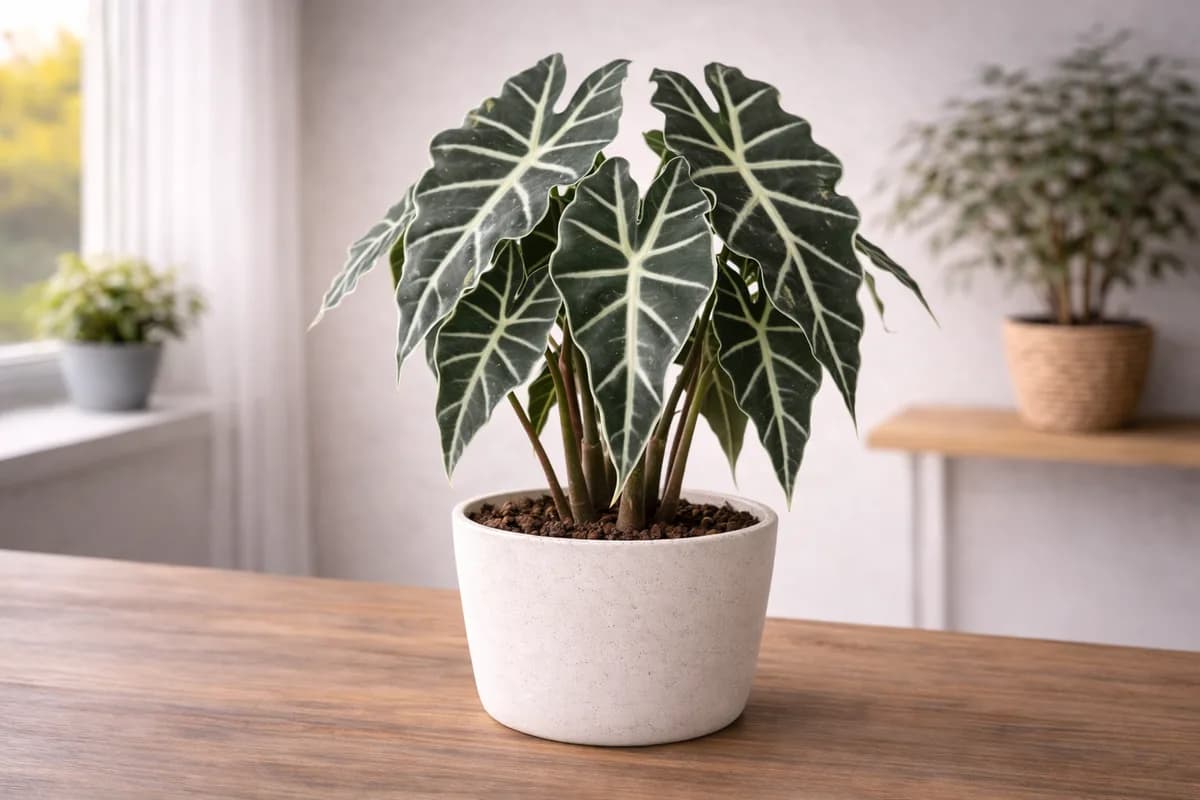
Your Alocasia is one of the most dramatic plants you can own - those large, arrow-shaped or shield-shaped leaves on elegant stems are absolutely striking. But true to its Dramatic personality, Alocasia lets you know when it is unhappy. It drops leaves, goes dormant, and demands humidity. This Alocasia care guide is for plant parents ready to give this beauty the attention it deserves. It is an advanced-level plant, but the reward is incredible.
Light
Alocasia needs bright, indirect light. It comes from the tropical understory, where it gets filtered light through a canopy. A spot near an east- or north-facing window, or a few feet from a south-facing one, works well.
Avoid direct sunlight, which scorches the thin, dramatic leaves quickly. Too little light causes the plant to lose leaves and can trigger premature dormancy. In winter, when light levels drop significantly, consider moving your Alocasia closer to the window or supplementing with a grow light for a few hours each day. Maintaining adequate brightness during the darker months helps prevent the plant from entering dormancy prematurely.
Signs of too much light: Brown, crispy scorched patches, faded colour.
Signs of too little light: Leaf loss, leggy stems, the plant going dormant even in summer.
Watering
Water your Alocasia roughly every 8 days in summer and every 14 days in winter. Let the top layer of soil go slightly dry between waterings, but do not let it dry out completely - Alocasia likes consistent light moisture. Push your finger about 2 cm into the soil before watering; if it still feels moist at that depth, wait another day or two.
Alocasia is sensitive to cold water, so use room-temperature or slightly lukewarm water. In winter, if your Alocasia loses its leaves and goes dormant, reduce watering significantly. The corm (bulb) is resting and needs very little water. Just enough to keep the soil from going completely bone dry.
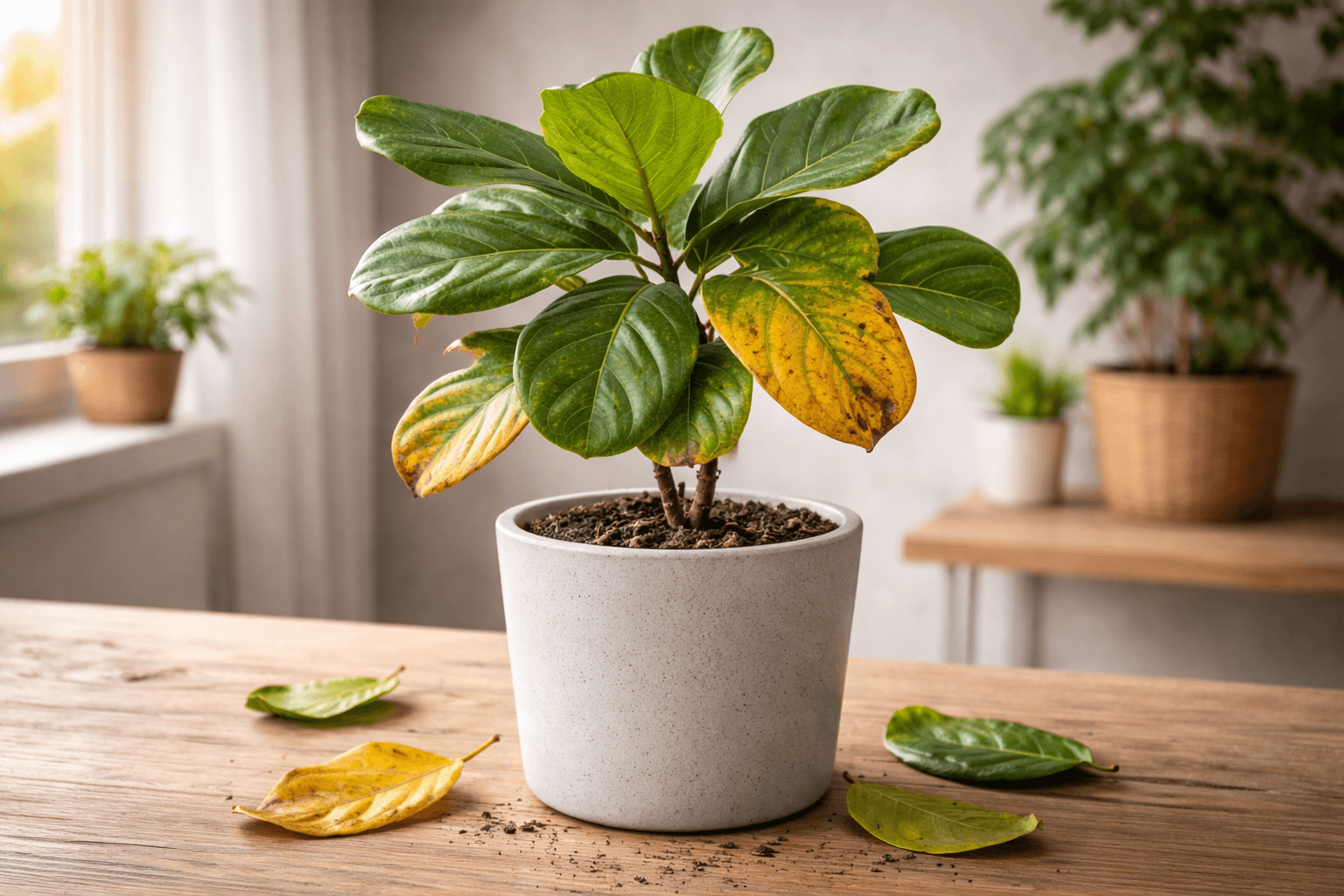
Signs of overwatering: Yellow leaves, mushy stems, root rot.
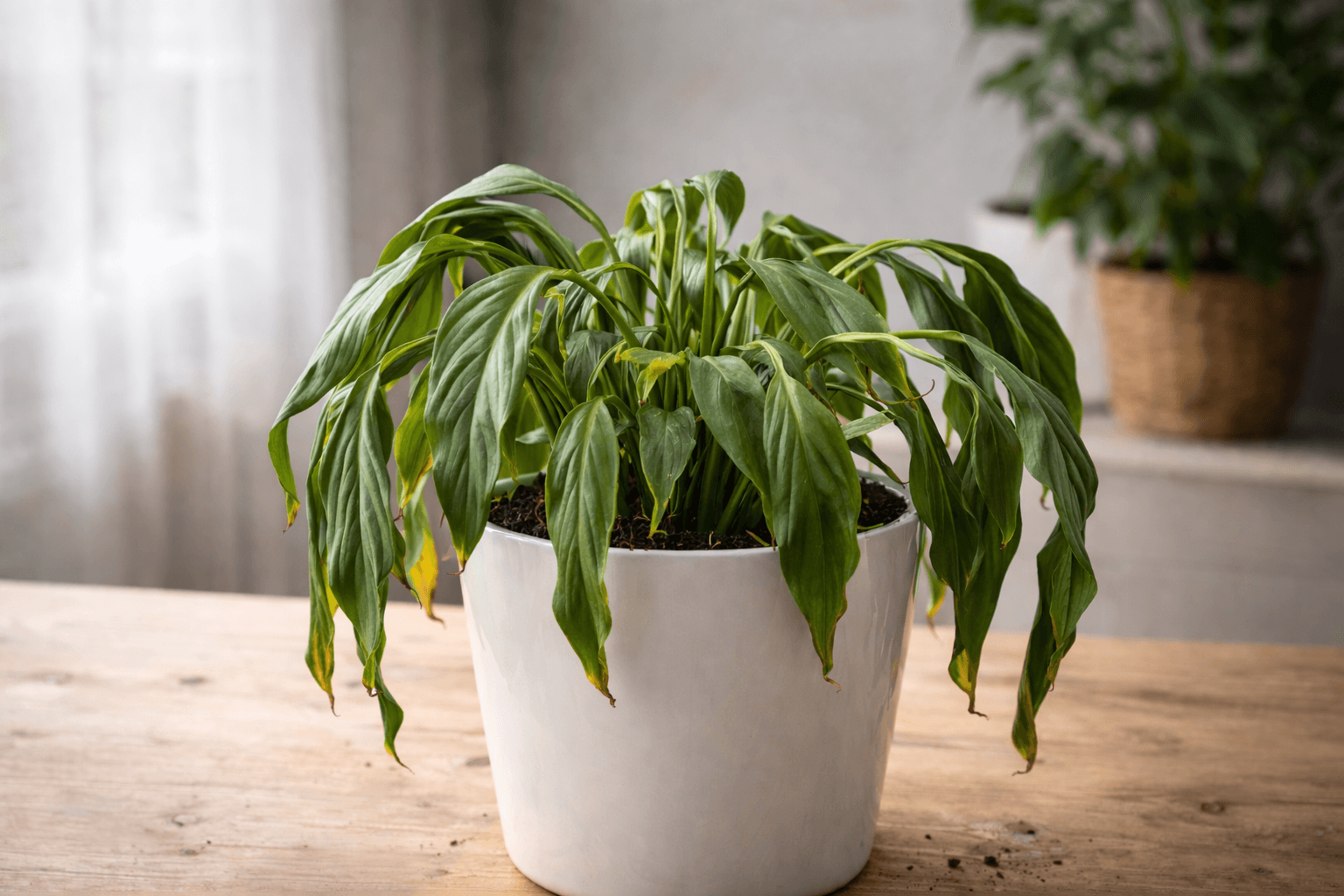
Signs of underwatering: Drooping, dry crispy edges, leaf drop.
Humidity
Alocasia needs high humidity - 60-80% is ideal. This is the make-or-break factor for most Alocasia owners. In dry conditions, the leaves develop brown, crispy edges and the plant declines.
A humidifier is the most effective solution. Grouping with other tropical plants, placing on a pebble tray, or keeping in a bright bathroom also helps. This is one plant where a humidifier is almost essential.
Soil & Potting
Alocasia likes being rootbound - too much space in the pot causes the soil to stay wet too long, which leads to rot. Use a chunky aroid mix with orchid bark and perlite for aeration. The roots need air as well as moisture. A good ratio to start with is one part potting soil, one part orchid bark, and one part perlite.
When repotting, go up just one pot size. Always ensure drainage holes. Spring is the best time to repot, as the plant is waking from its rest period and will establish quickly in fresh soil.
Common Problems
Losing leaves one by one: Alocasia naturally drops older leaves as it grows new ones. If it keeps only 3-5 leaves at a time, that may be normal. If it is losing leaves without growing new ones, check light, humidity, and watering.
Going dormant: In winter, Alocasia may lose all its leaves and go dormant. Do not panic and do not throw it away. The corm is alive underground. Reduce watering, keep it in a warm spot, and it will come back in spring.
Brown edges: Low humidity. Boost humidity to 60%+ and the new growth should be healthier.
Root rot: Caused by heavy soil or overwatering. Use chunky, well-draining mix and let the top layer dry between waterings.
Toxicity
Alocasia is toxic to cats, dogs, and children. All parts contain calcium oxalate crystals that cause significant mouth irritation, swelling, and stomach upset if ingested. Keep well out of reach of all pets and children.
Quick Reference
| Care Need | Details |
|---|---|
| Light | Bright indirect |
| Water (summer) | Every 8 days |
| Water (winter) | Every 14 days |
| Humidity | 60-80% |
| Difficulty | Advanced |
| Personality | Dramatic |
| Toxic | Toxic - cats, dogs, children |
Why Alocasia Belongs in Your Collection
Few plants can match the visual impact of an Alocasia in full glory. Those dramatic leaves on sculptural stems are genuine showstoppers. Yes, it is demanding - but watching it push out a new leaf (and come back from dormancy each spring) is deeply satisfying. Feed with a balanced liquid fertiliser every two weeks during the growing season to support its hungry appetite. This Alocasia care guide and LeafLovers' humidity and watering reminders will help you give this Dramatic beauty everything it needs.
Spotted something that needs correcting? Email Elani.
Care reference
Need the full care profile for Alocasia?
Check the encyclopedia for light, watering, soil, pet safety, and pot guidance - then use LeafLovers to fit it to your plant and home.